


Parole board again denies ex-president Katsav early release from rape sentence
By MICHAEL BACHNER
ISRAEL (TPS) – Former Israeli President Moshe Katsav, who was convicted of raping three different women and of sexual harassment and indecent assault, will remain in prison to serve his full seven-year sentence after the Israel Prison Service (IPS) parole board again denied his request on Thursday for the second time in four months.
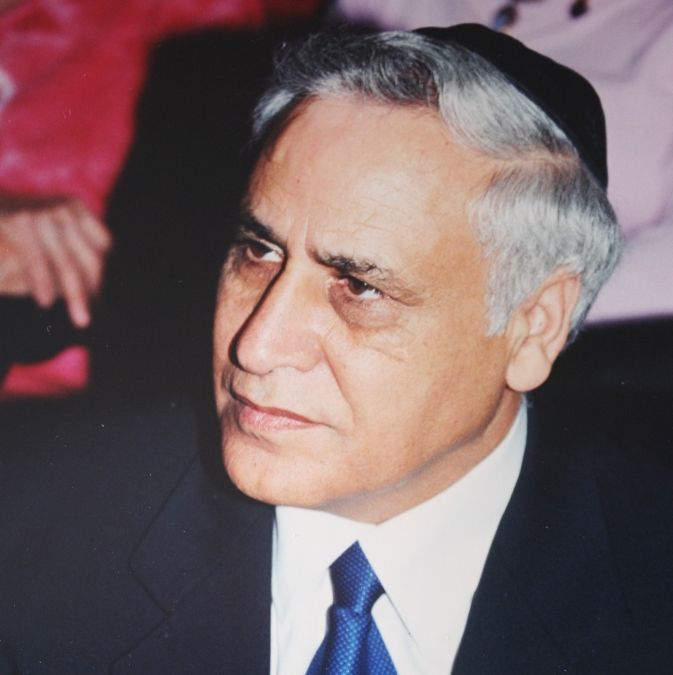
Moshe Katsav (Photo by Amir Gilad)
The parole board denied Katsav’s request four months ago, but then again convened on the matter due to a new legal opinion published by the Prisoner Rehabilitation Authority. The authority had reversed its previous stance and said that it would be possible for Katsav to be rehabilitated outside of jail.
One of the three members of the parole board wanted to approve Katsav’s request while a second thought it should be rejected. The third member of the parole board pushed for a compromise, which was eventually agreed upon by all three.
“The board members concluded that the time is not yet right to reverse the previous decision and order the prisoner’s release,” the parole board said. “The decision however, will be changed to give the prisoner an opportunity to be released, if he continues to receive treatment for his various problems.”
The parole board specified that Katsav must receive rehabilitative treatment for six months before once again submitting his request.
Katsav’s attorney Zion Amir called the decision an “unparalleled scandal”, accusing the parole board of not only having been influenced by journalists and politicians but leaking information to journalists as well.
“If there was a leak, this scandal should be investigated,” Amir told the members of the parole board after they announced their decision.
“My client and I oppose this decision but are aware that you were targeted by a vicious campaign,” Amir continued. ”There were repeated attempts to meddle in the decision. It is extremely wrong for a journalist and for MK (Knesset Member) Zehava Galon to contact parole board members during the discussions.”
Meretz MKs Zehava Galon, Michal Rozin and Tamar Zandberg issued a joint statement praising the parole board’s decision.
“This is a good and important decision that prevents cheap manipulations from turning the aggressor into a victim and vice-versa,” wrote the female MKs. “The victims of Katsav’s sex crimes will forever pay the social price for coming out against a strong, well-connected man.”
The parole board’s decision Thursday’s followed a series of continued deferments. The parole board held a long discussion on July 20 and only resolved to make a final decision on July 31 when it was again postponed due to a general strike by the workers union in the Courts Administration. The strike ended on Tuesday, allowing the parole board to make its announcement two days later.
Over 1000 Israeli citizens had petitioned the IPS parole board with the demand that it not shorten Katsav’s sentence.
The parole board originally denied Katsav’s request on April 6, calling him “dangerous.” The board members declared then that Katsav “views himself as a victim and is busy blaming external sources for his situation. The prisoner has not shown regret or empathy towards his victims and continues to deny the offenses he committed despite his conviction.”
Katsav served as president of Israel from 2000 to 2007 following a long political career as a Member of Knesset for the Likud party. Between 1981 and 1999, he served as construction minister, labor minister, transportation minister, deputy prime minister and tourism minister. Rape and sexual harassment allegations against Katsav surfaced in 2006, forcing him to resign the presidency the following year.
Katsav held a lengthy press conference in January, 2007 while still serving as president in which he slammed the Israeli media for “persecuting” him and accused them of conducting a “witch-hunt.” His media advisors resigned immediately after the spectacle.
Katsav was indicted in 2009 at the Tel Aviv District Court and was convicted in a unanimous decision in December, 2010. Four months later, Katsav was sentenced to a seven-year term, which he began serving on December 11, 2011.
During the trial, Katsav rejected a plea bargain that had already been agreed upon and refused to admit guilt. He has also adamantly refused to admit guilt even after his conviction and has described the case as a “blood libel.”
Jonathan Benedek contributed to this article.
