


Hanukkah ‘Forever’ stamp unveiled at Touro Synagogue
By ALAN SMASON, Special to the CCJN
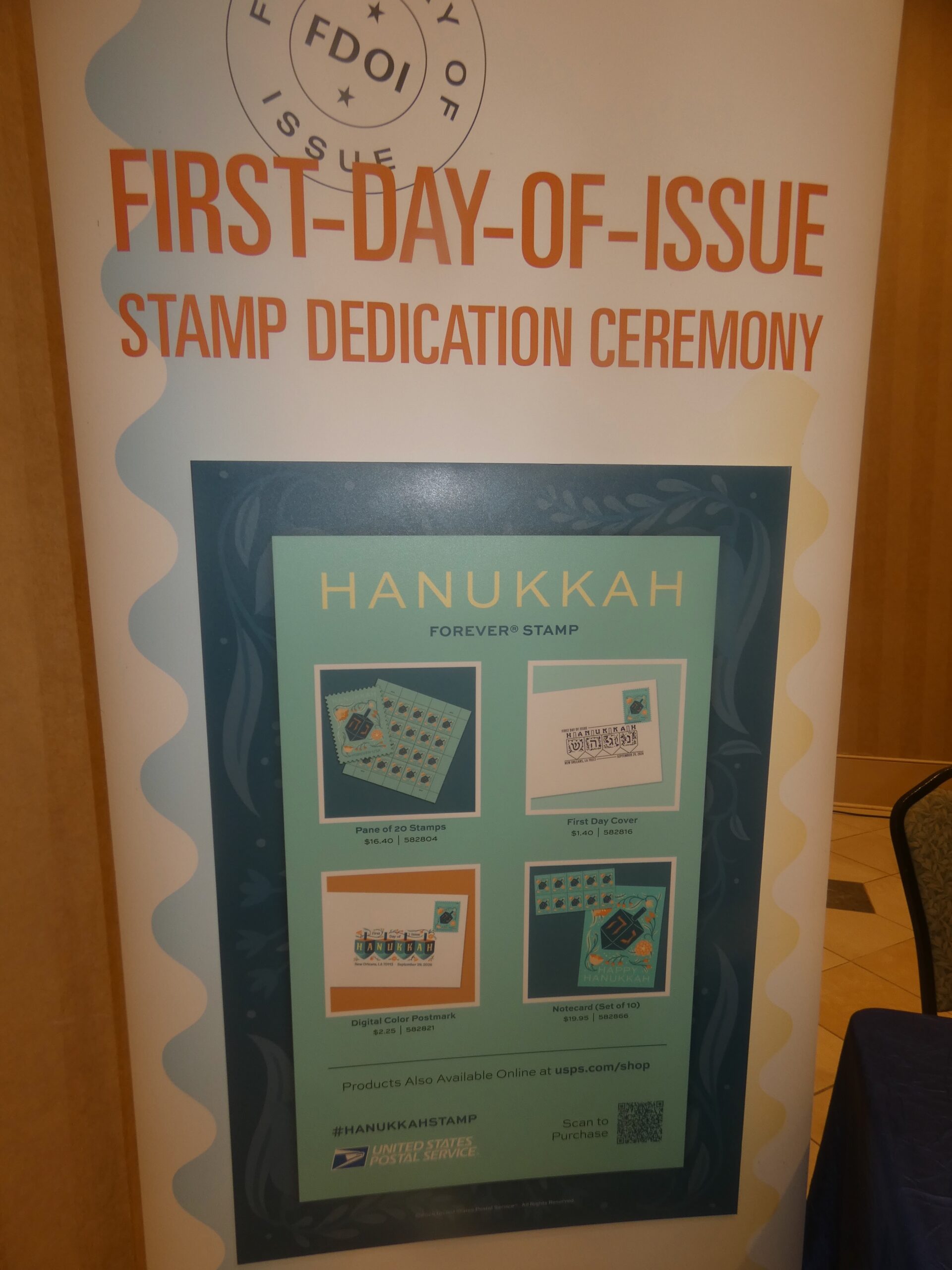
In anticipation of Touro Synagogue’s upcoming 200th anniversary next year, the United States Postal Service (USPS) selected the New Orleans Reform synagogue to be the venue for its First Day of Issue Dedication Ceremony of the 2026 Hanukkah Forever® stamp.
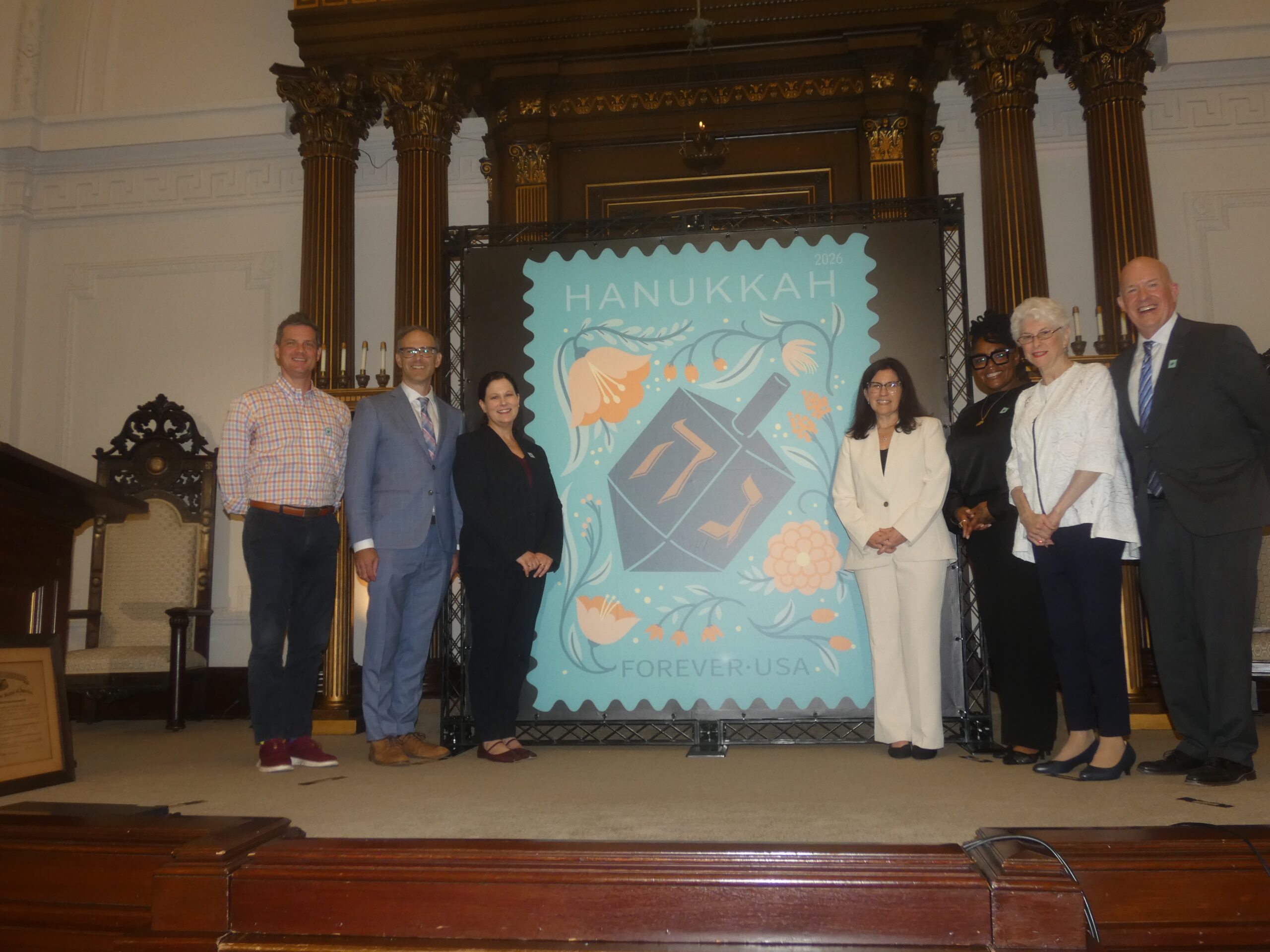
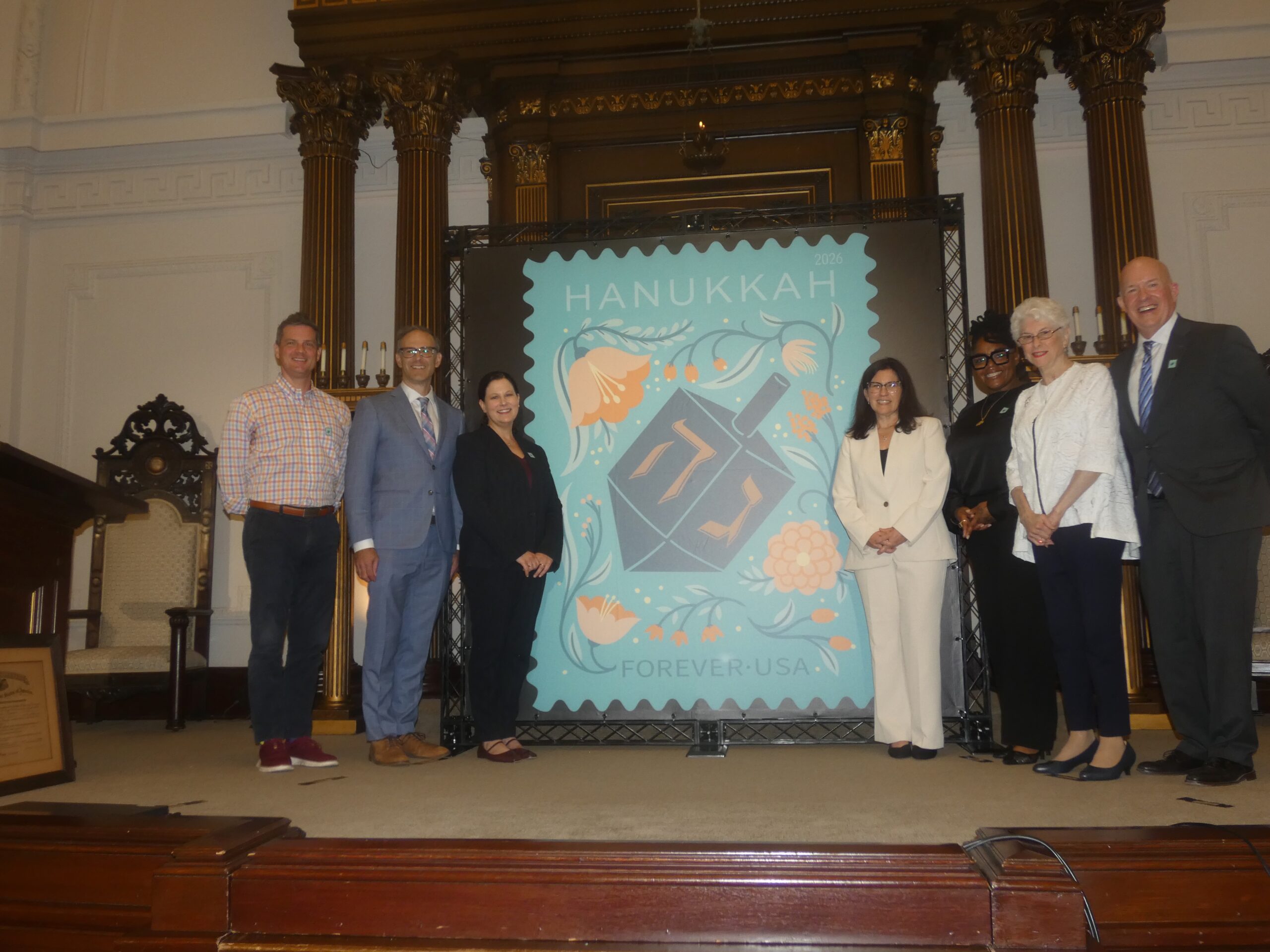
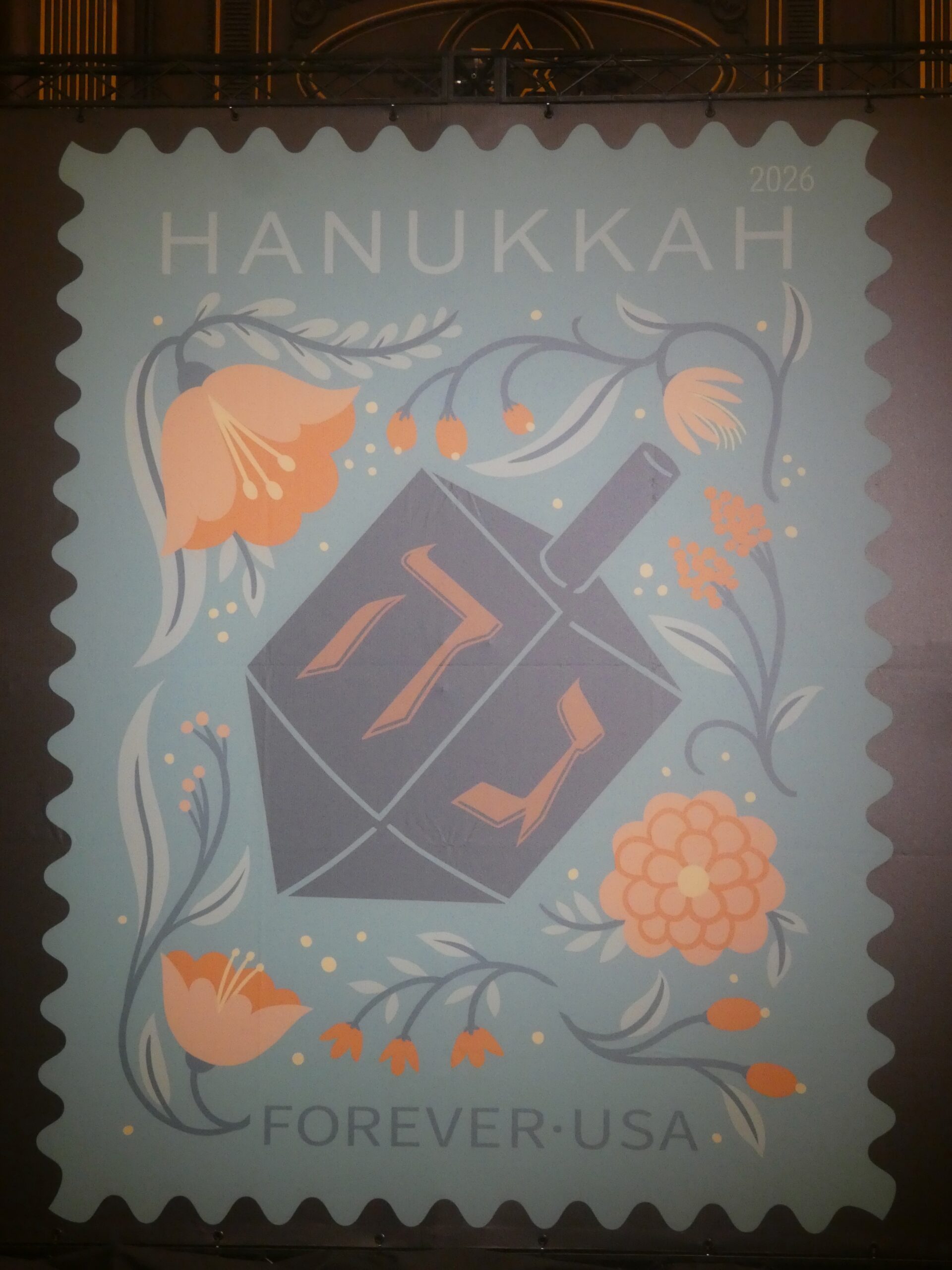
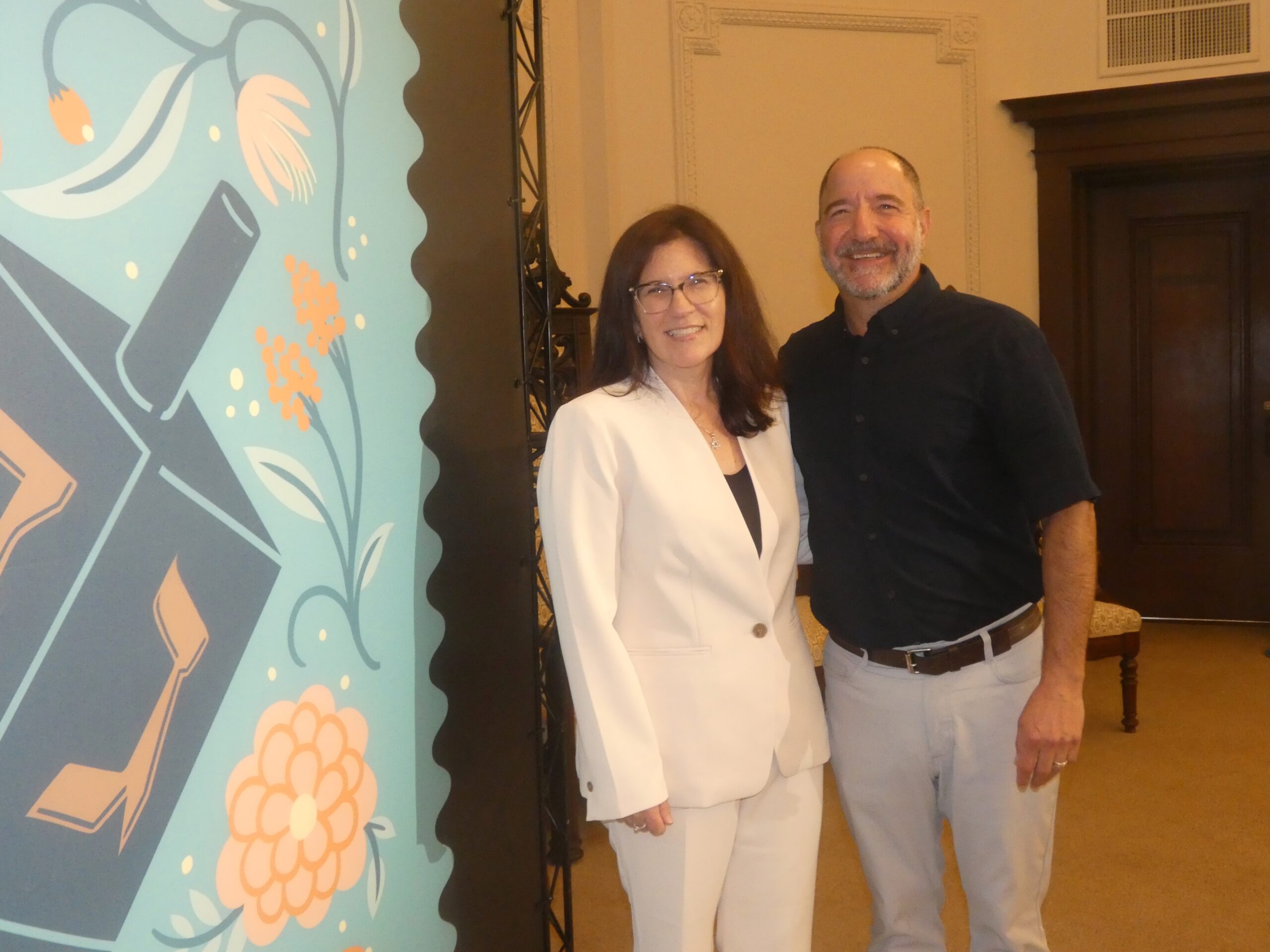
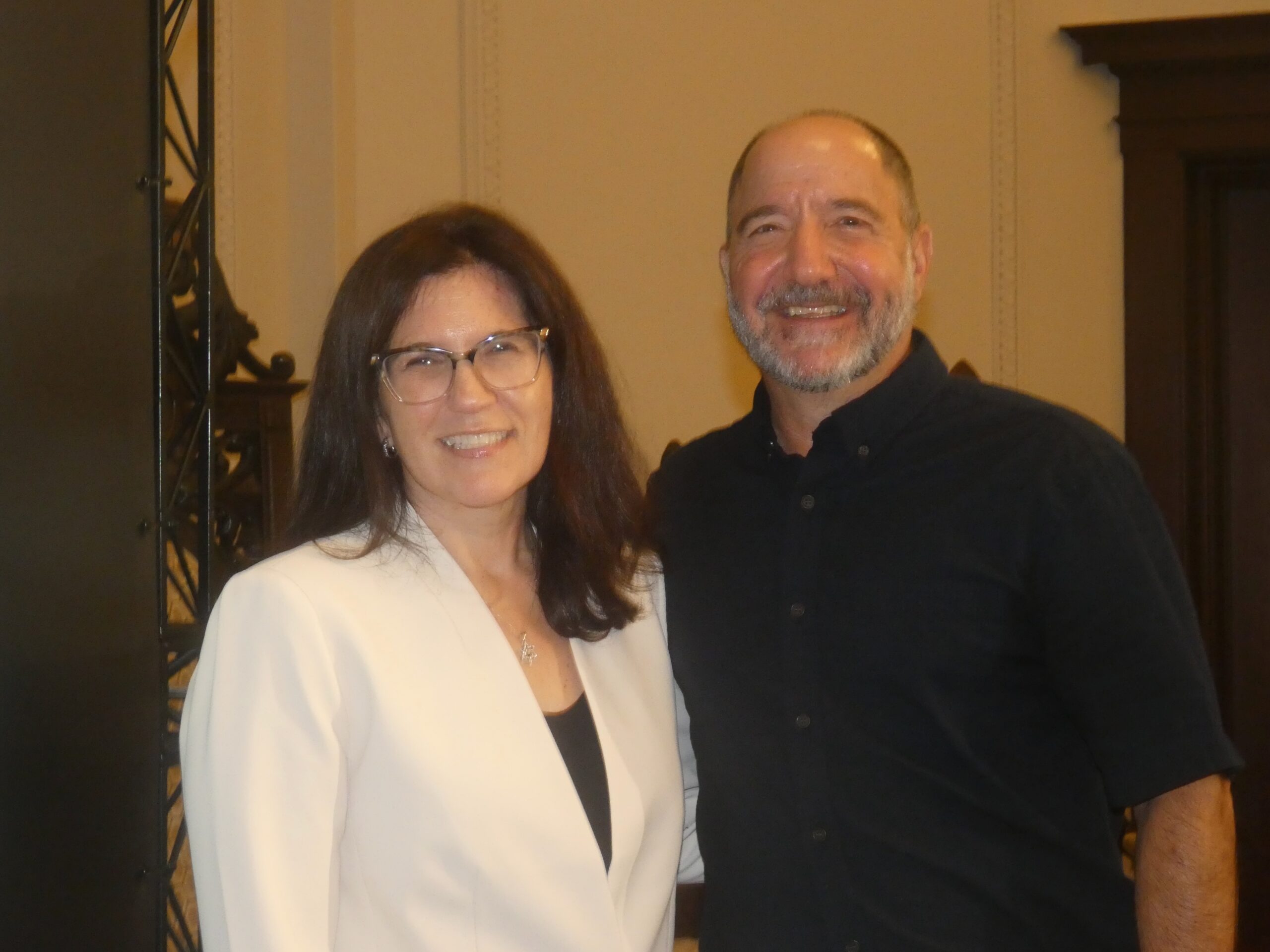
The image of the Hanukkah Forever® Stamp with (l-r)Dodd Loomis, David Hammer, Caroline Rieger Brownlie, Rabbi Katie Bauman, Adrian Genet and David Wilkins. (Photo by Alan Smason)
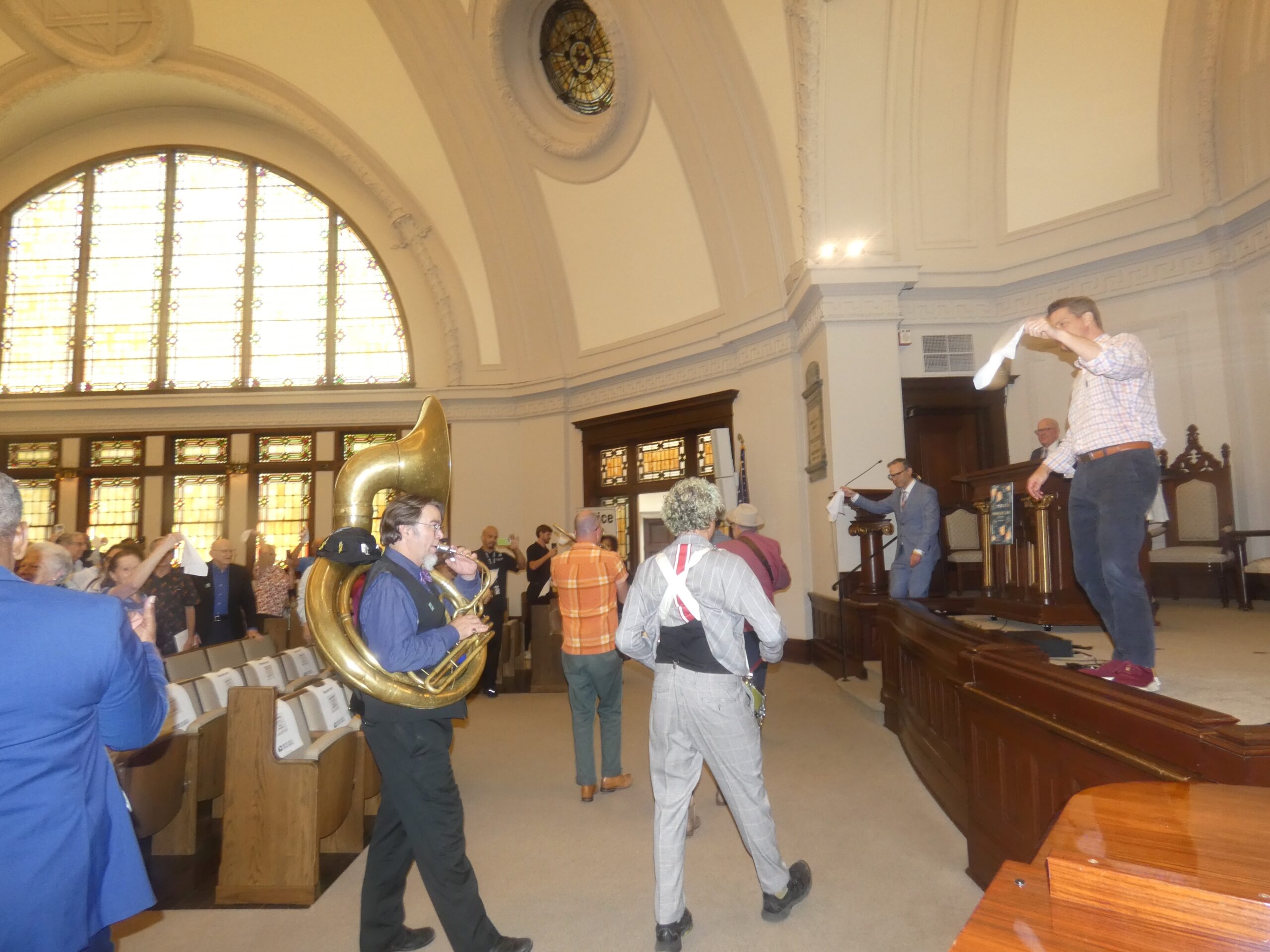
The event held on Tuesday morning, September 29, included a second line and music by the Panorama Jazz Band in the main sanctuary An array of Touro Synagogue leaders and a representative of the USPS spoke at the synagogue before unveiling the new stamp’s image on the bimah.
Since 2016, the USPS has issued a Chanukah stamp biannually. That means that the original artwork designed by illustrator Lisa Perrin with USPS art director Antonio Alcalá is the fifth different Chanukah stamp issued in the past 10 years. The very first Chankah stamp issued was in 1996.
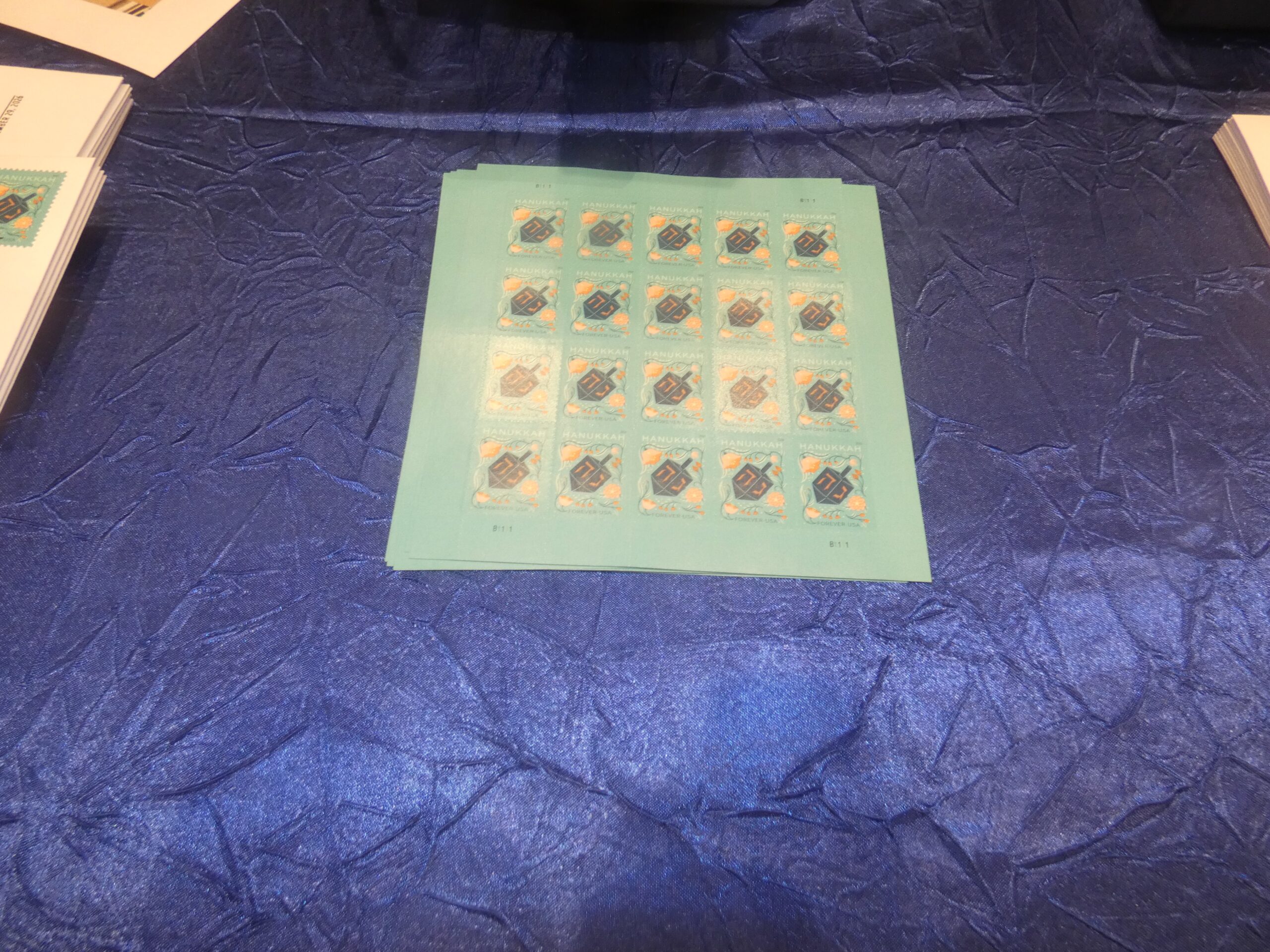
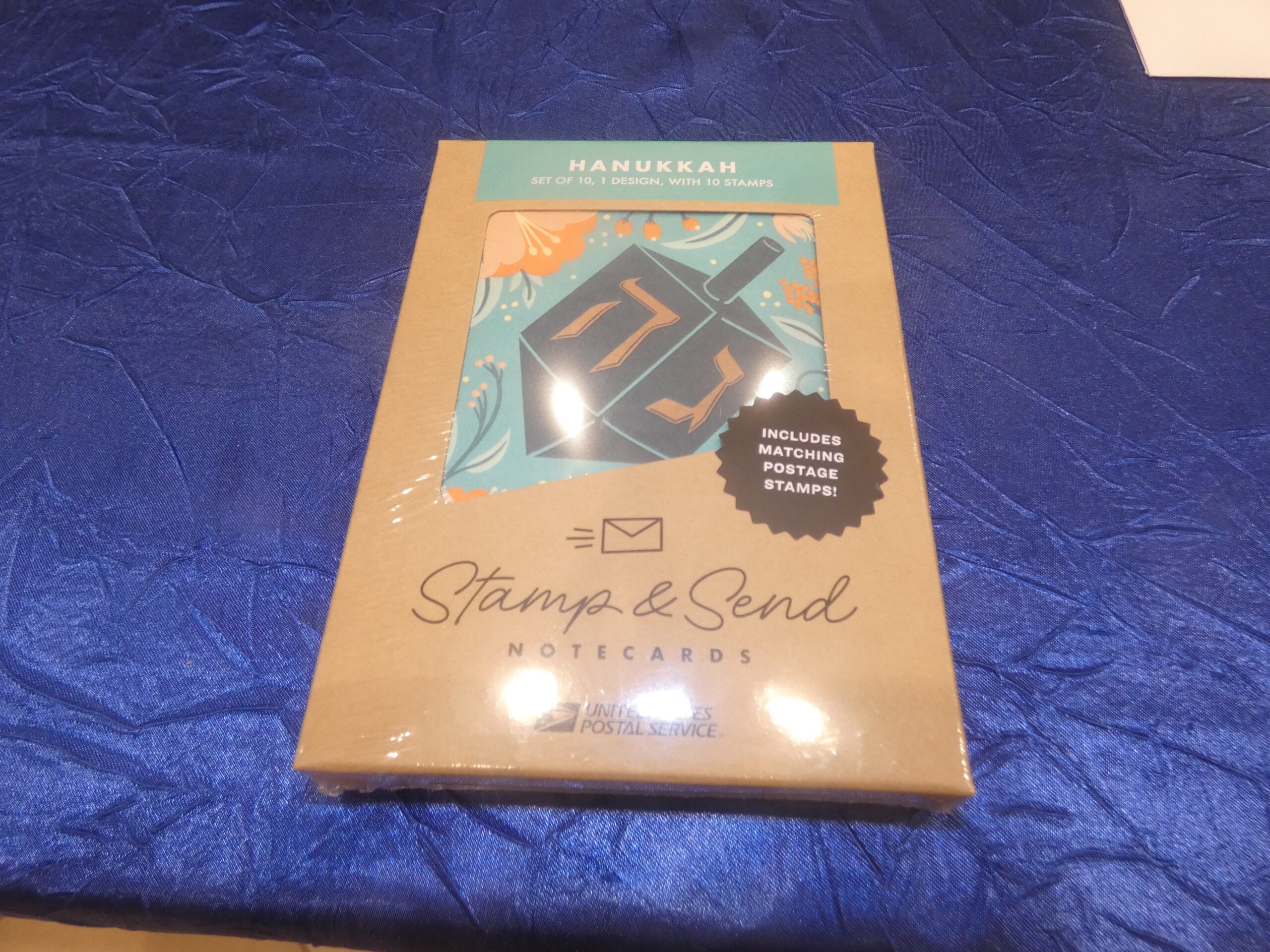
The stamp features a dark blue dreidel bearing rust-colored Hebrew letters gimmel and hay atop and set against a turquoise background. Decorative elements that frame the dreidel include flowers and foliage in light pastel colors of orange, cream and varying shades of blue.
Forever® stamps are first class postage stamps that currently cost 82 cents each. A sheet of 20 costs $16.40 at present. However, Forever® stamps increase in value as first class rates rise.
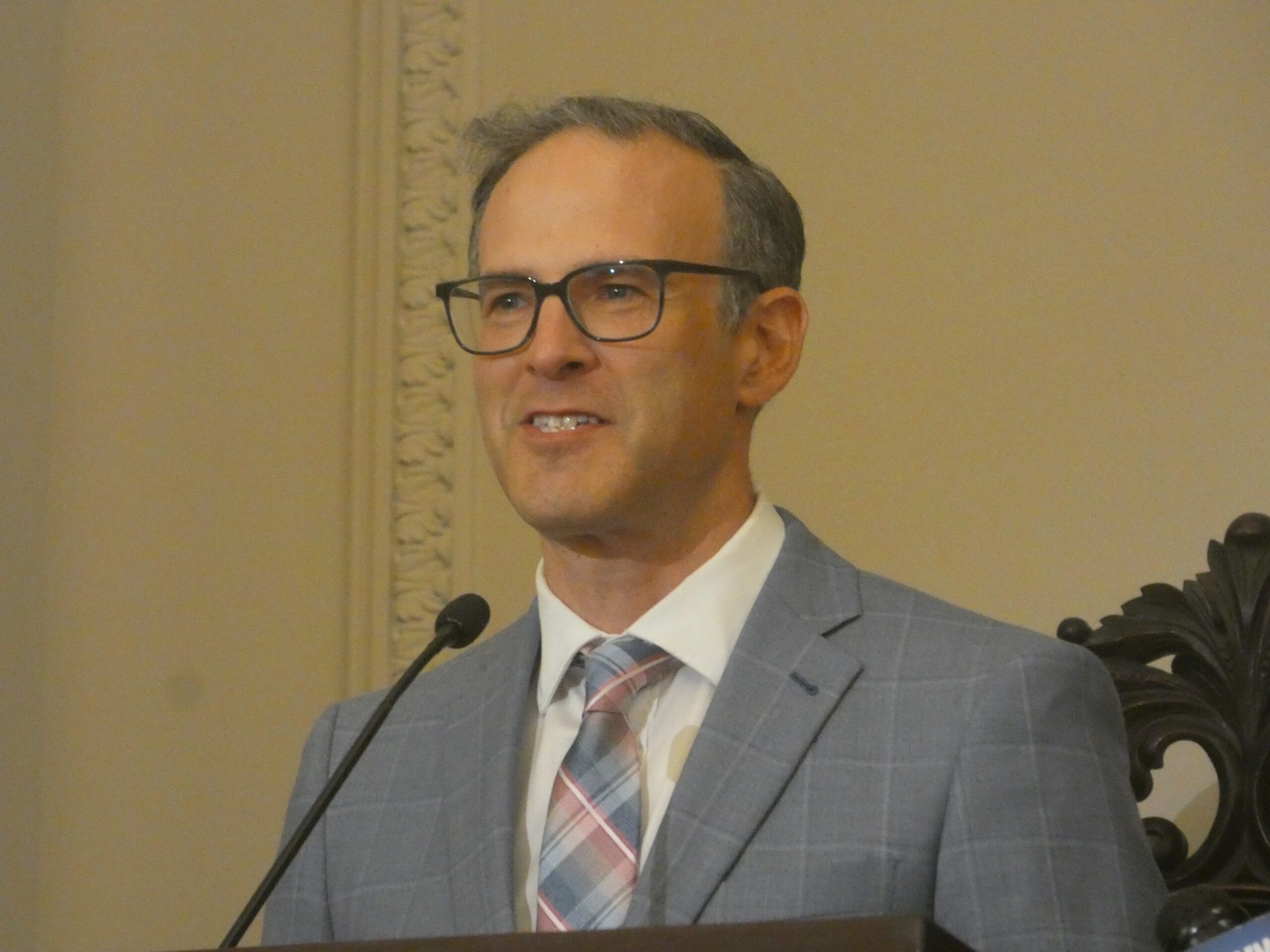
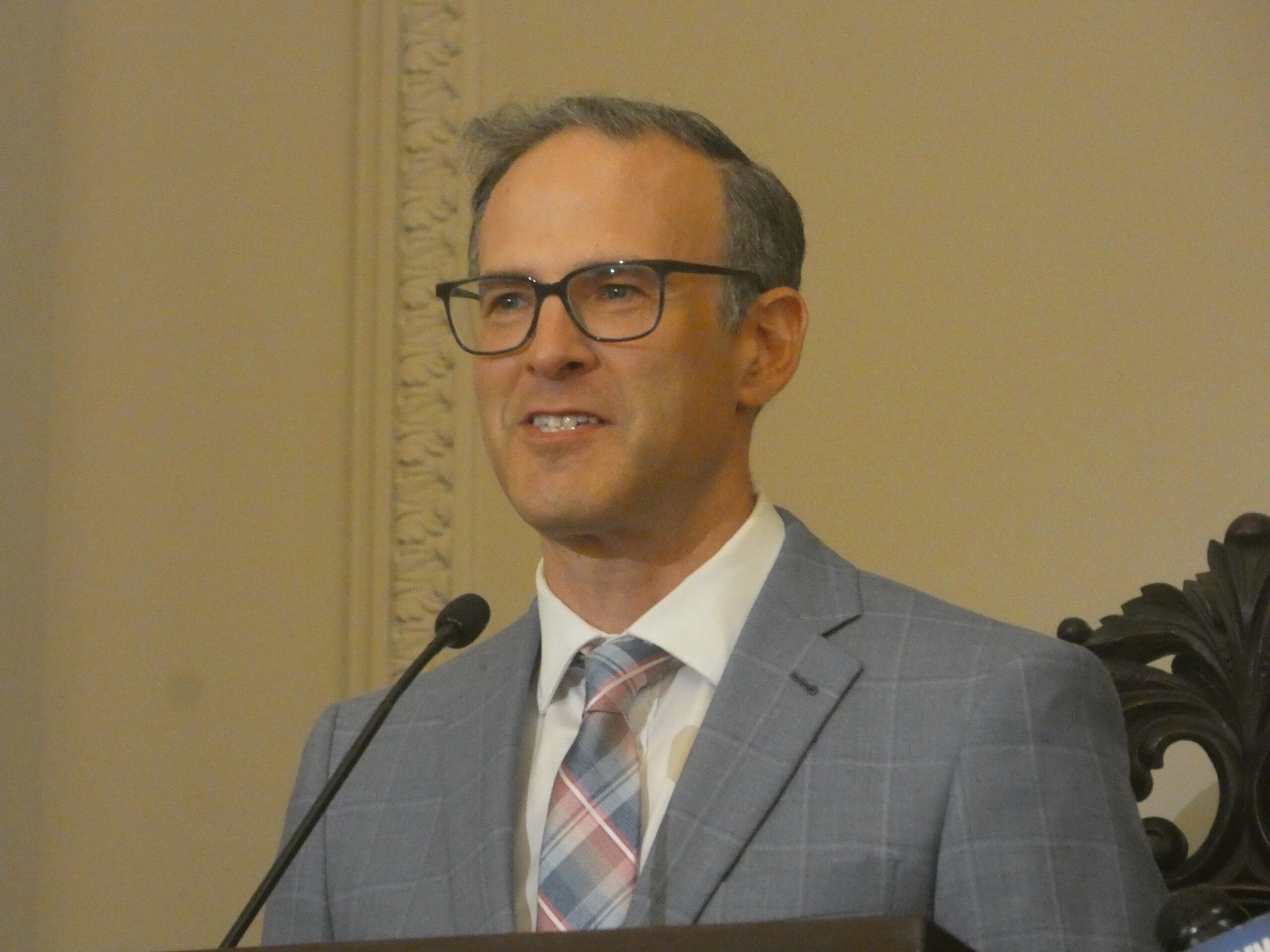
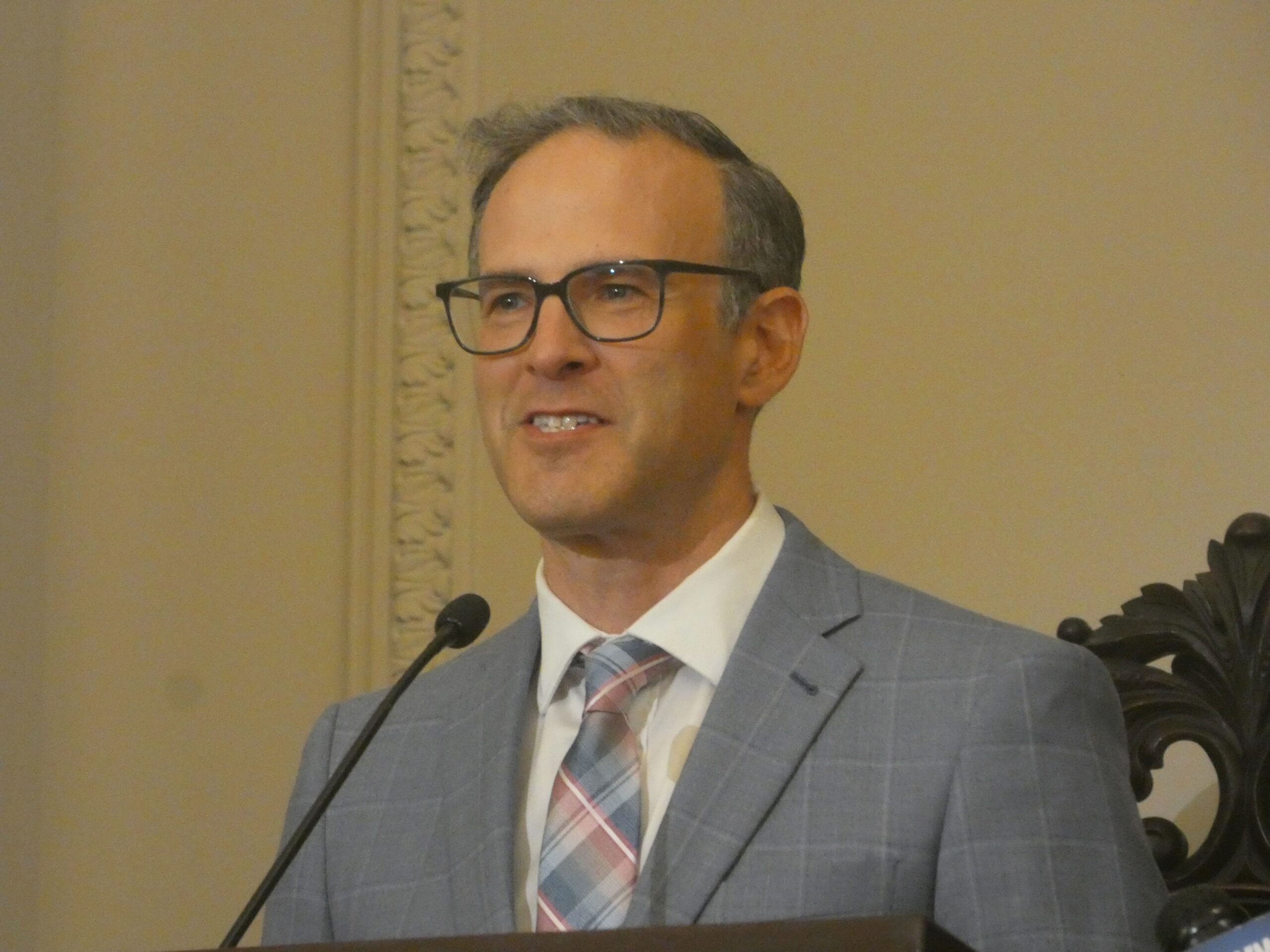
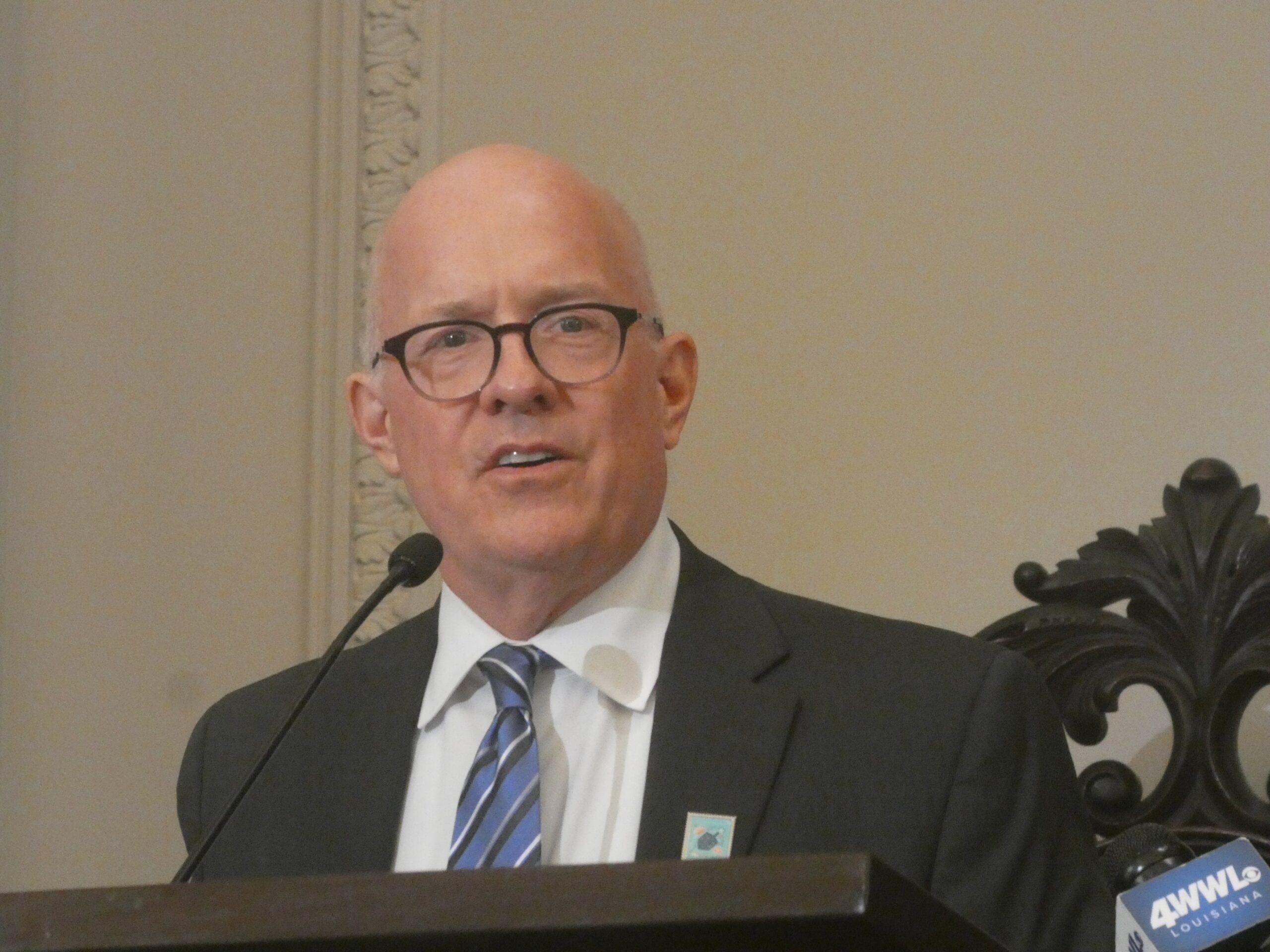
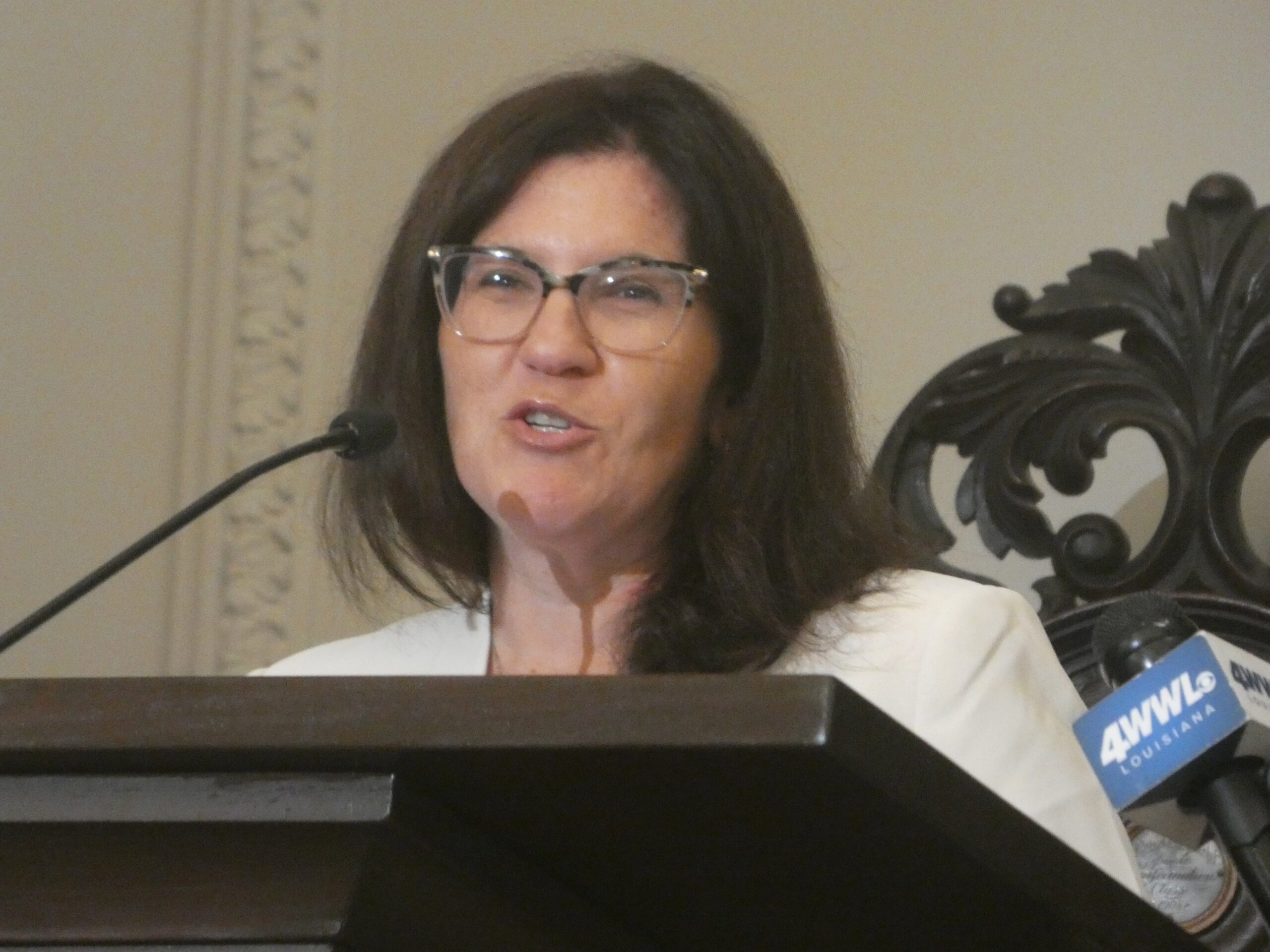
WWL-TV’s David Hammer, the Touro Synagogue chair of the stamp dedication ceremony. (Photo by Alan Smason)
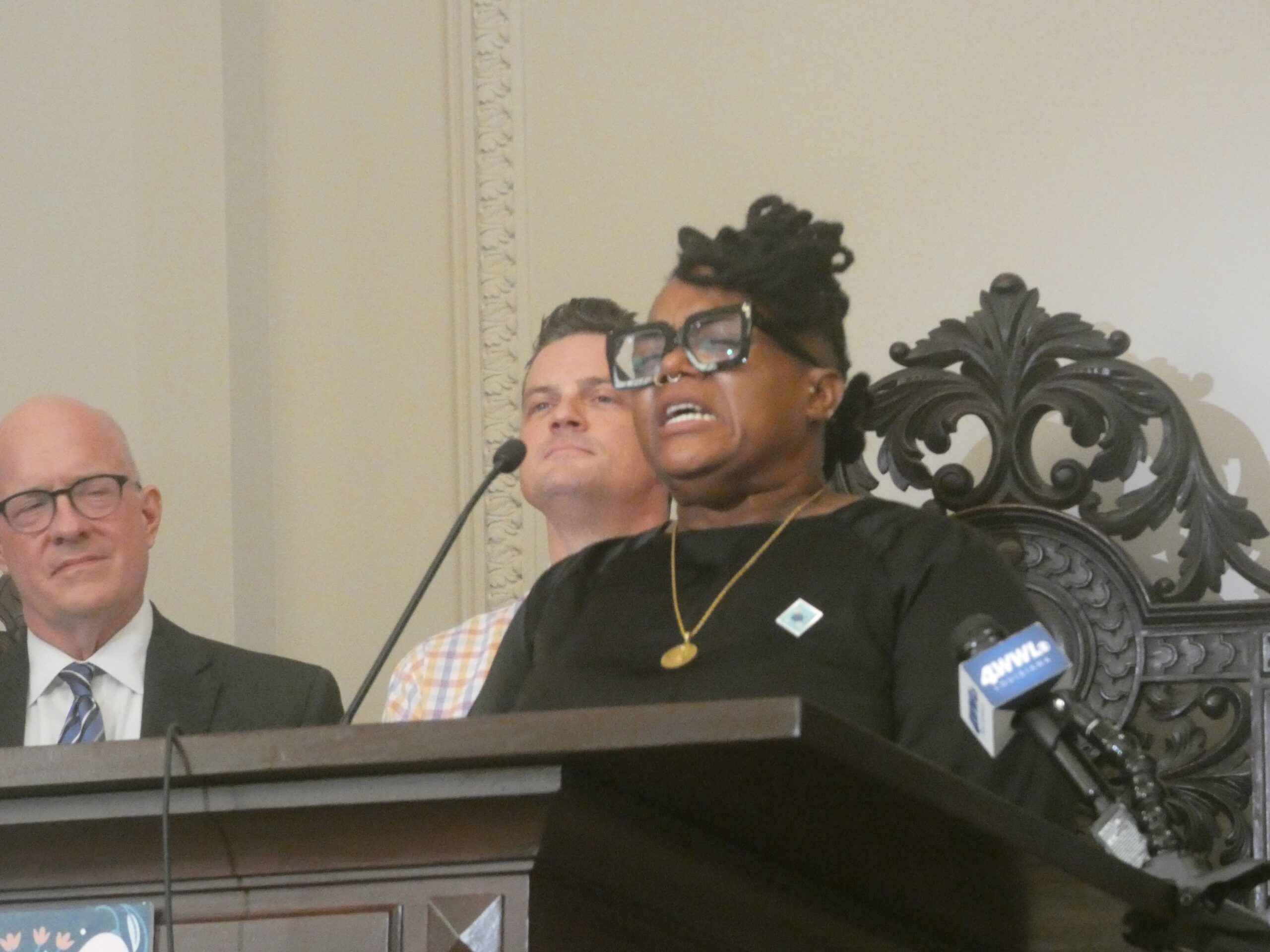
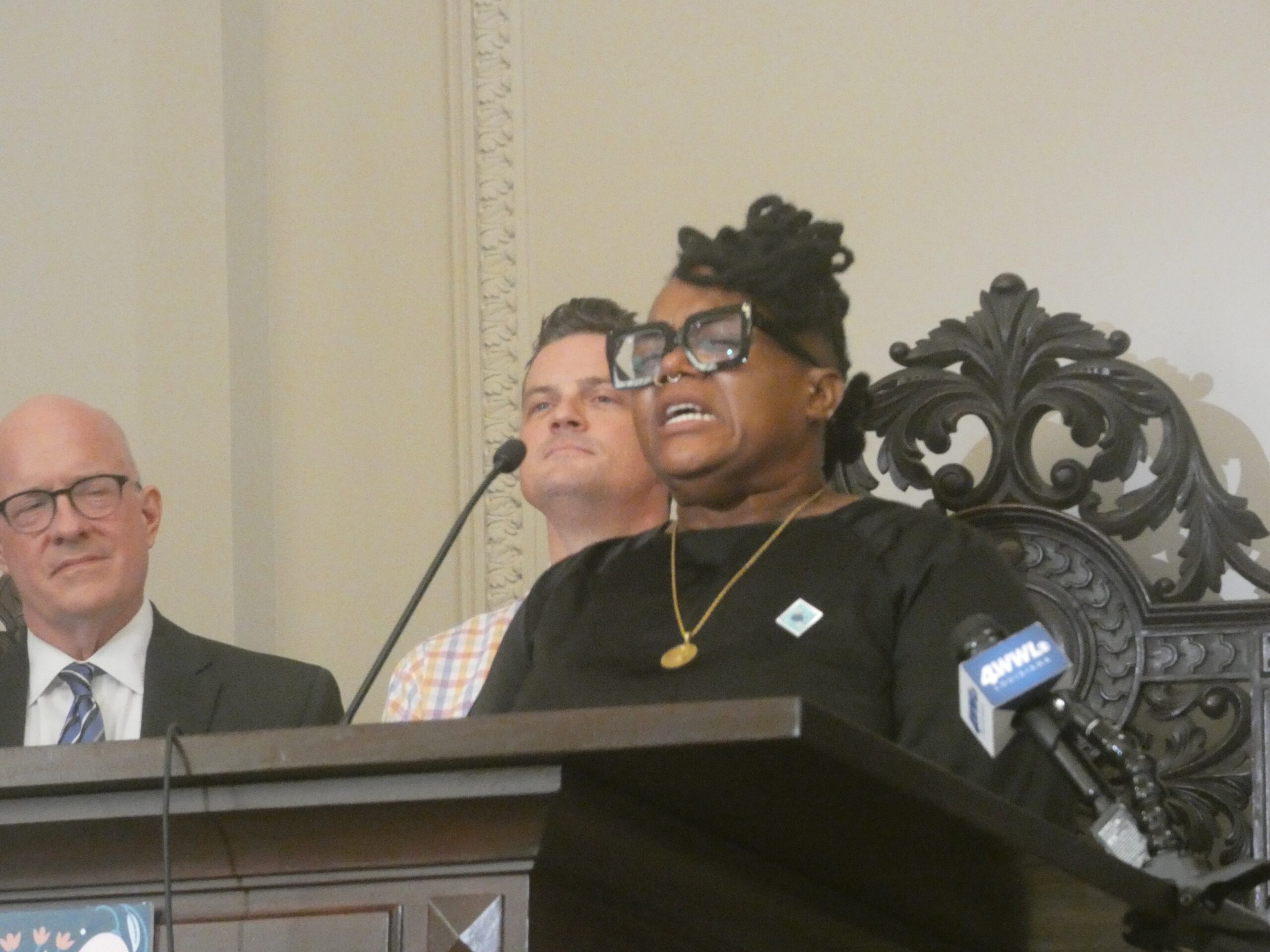
Following a welcome by Touro Synagogue president Kevin Wilkins, WWL-TV investigative reporter David Hammer, a member of the synagogue and the event chair, invited singer Tonya Boyd Cannon, the most recent guest artist at Touro Synagogue’s annual Jazz Fest Shabbat, to the bimah, where she sang the National Anthem and the Black anthem “Lift Every Voice and Sing.”
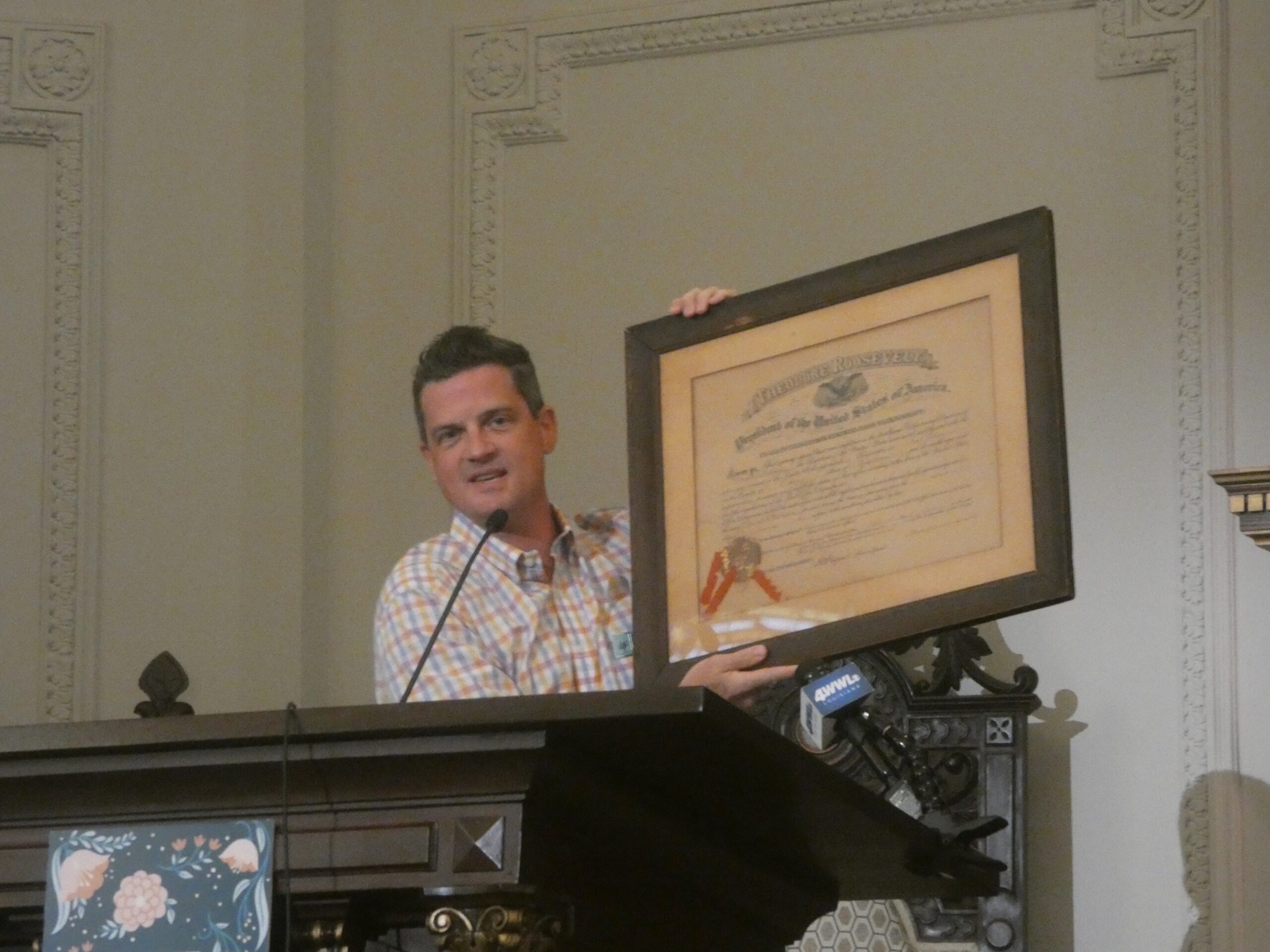
Touro Synagogue member Dodd Loomis displayed a framed certificate he purchased as an item of interest, but which he learned later has connections to the synagogue. It names the new Postmaster for the City of New Orleans and is signed by President Theodore Roosevelt. Loomis linked the historic document to the founding members of the oldest synagogue in the United States, Touro Synagogue in Rhode Island, named for Rabbi Issac Touro. He also noted its connection to others in New Orleans, who helped to found the Gates of Mercy and Dispersed of Judah congregrations in New Orleans that eventually combined and were renamed to honor Judah Touro, Rabbi Issac’s son.
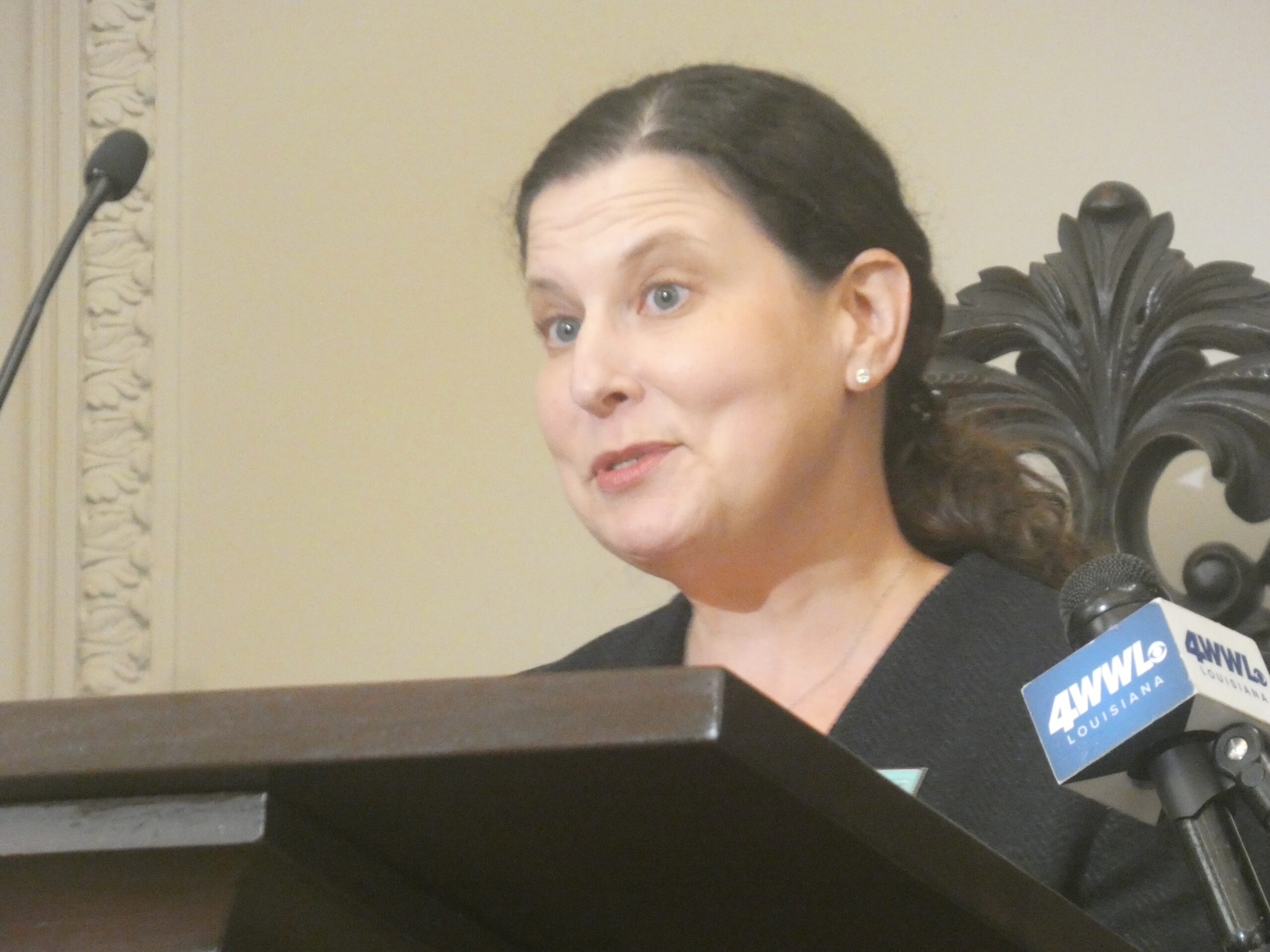
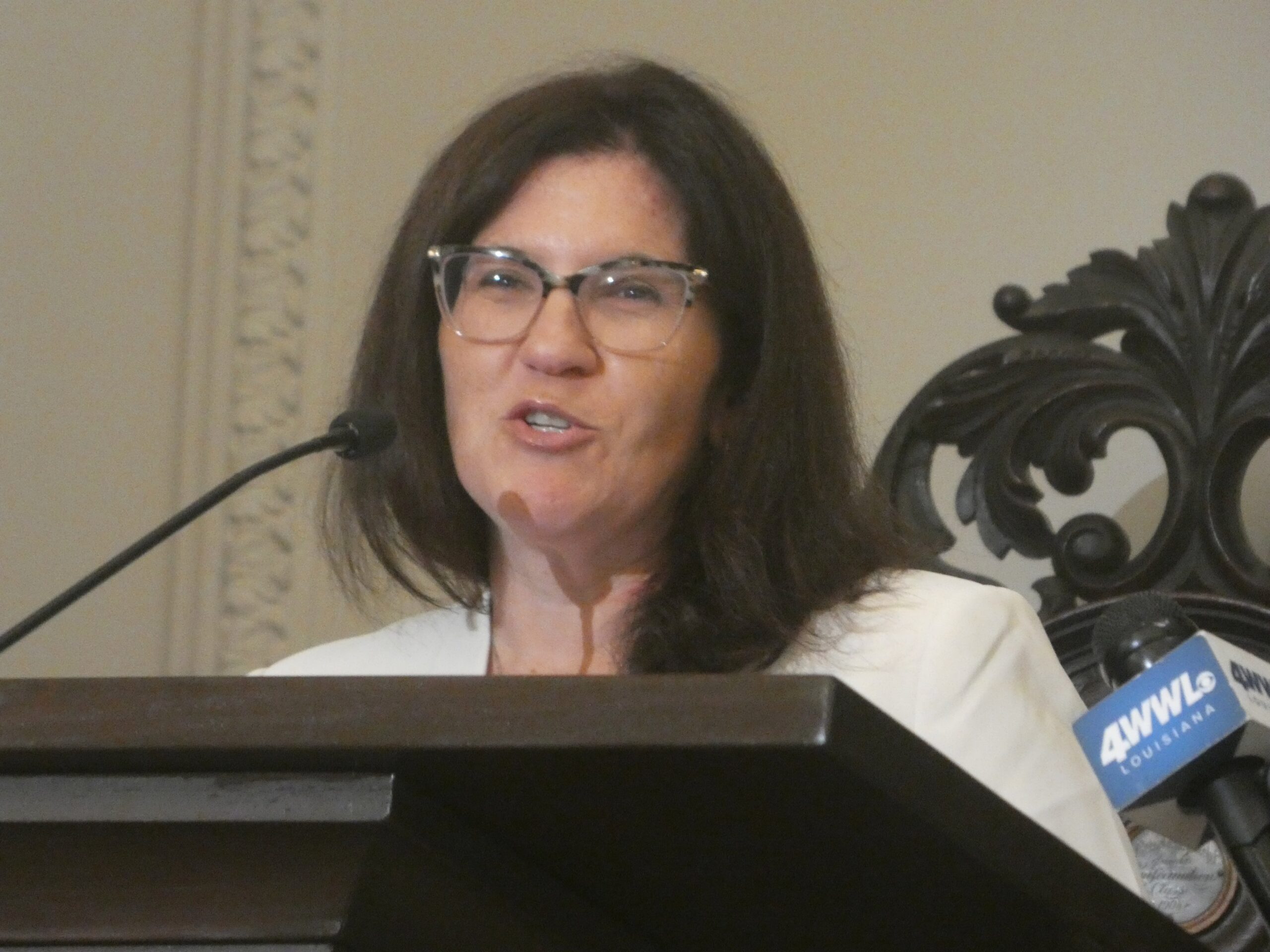
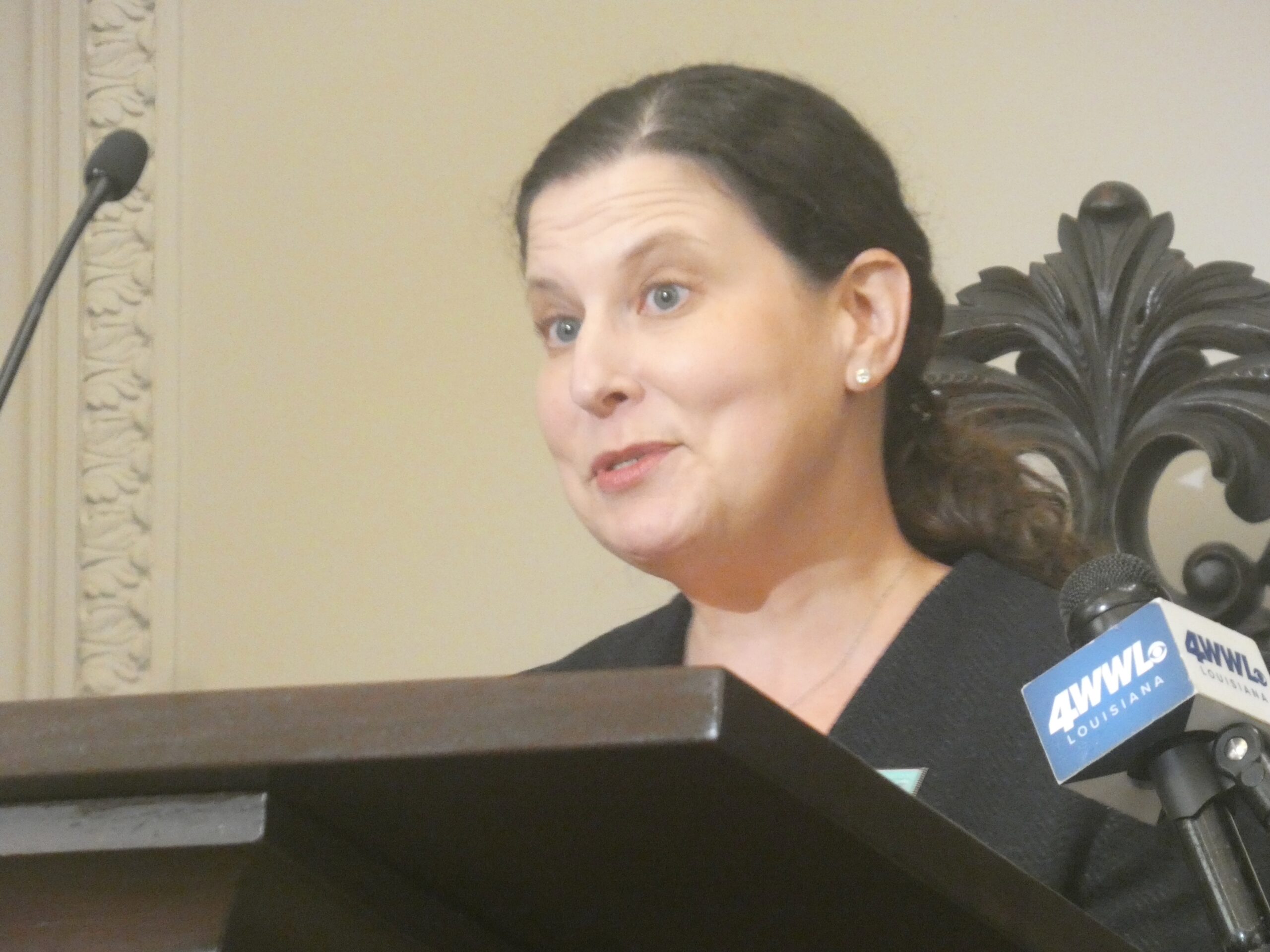
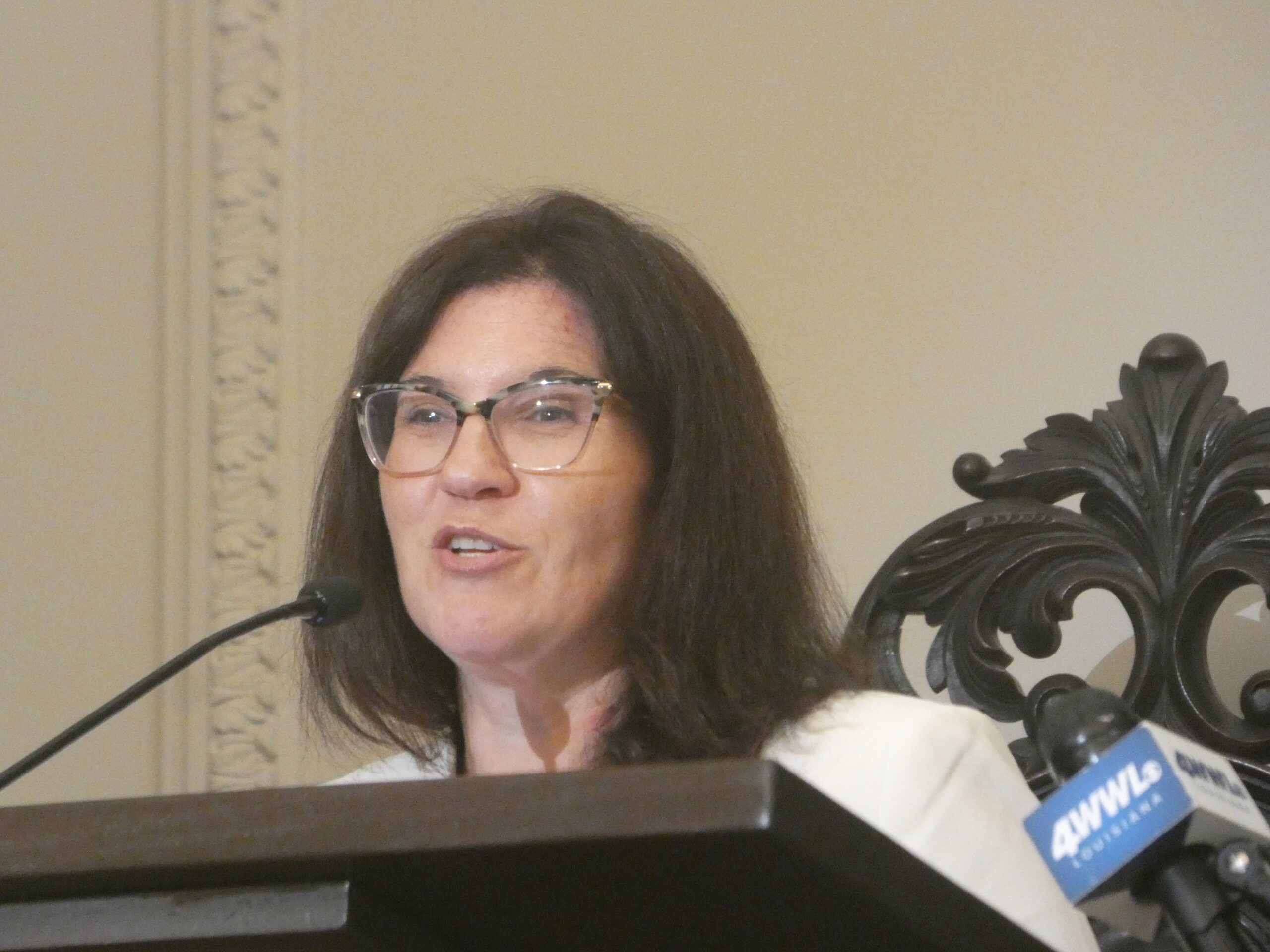
Representing the USPS was Caroline Rieger Brownlie, the Deputy General Counsel, who works out of the Washington, D.C. office. She acknowledged a personal connection to the celebration of the holiday via her maternal grandmother. “She would have been so proud that my first stamp dedication is not only a beautiful design, but one also connected to a joyful Jewish celebration,” she stated.
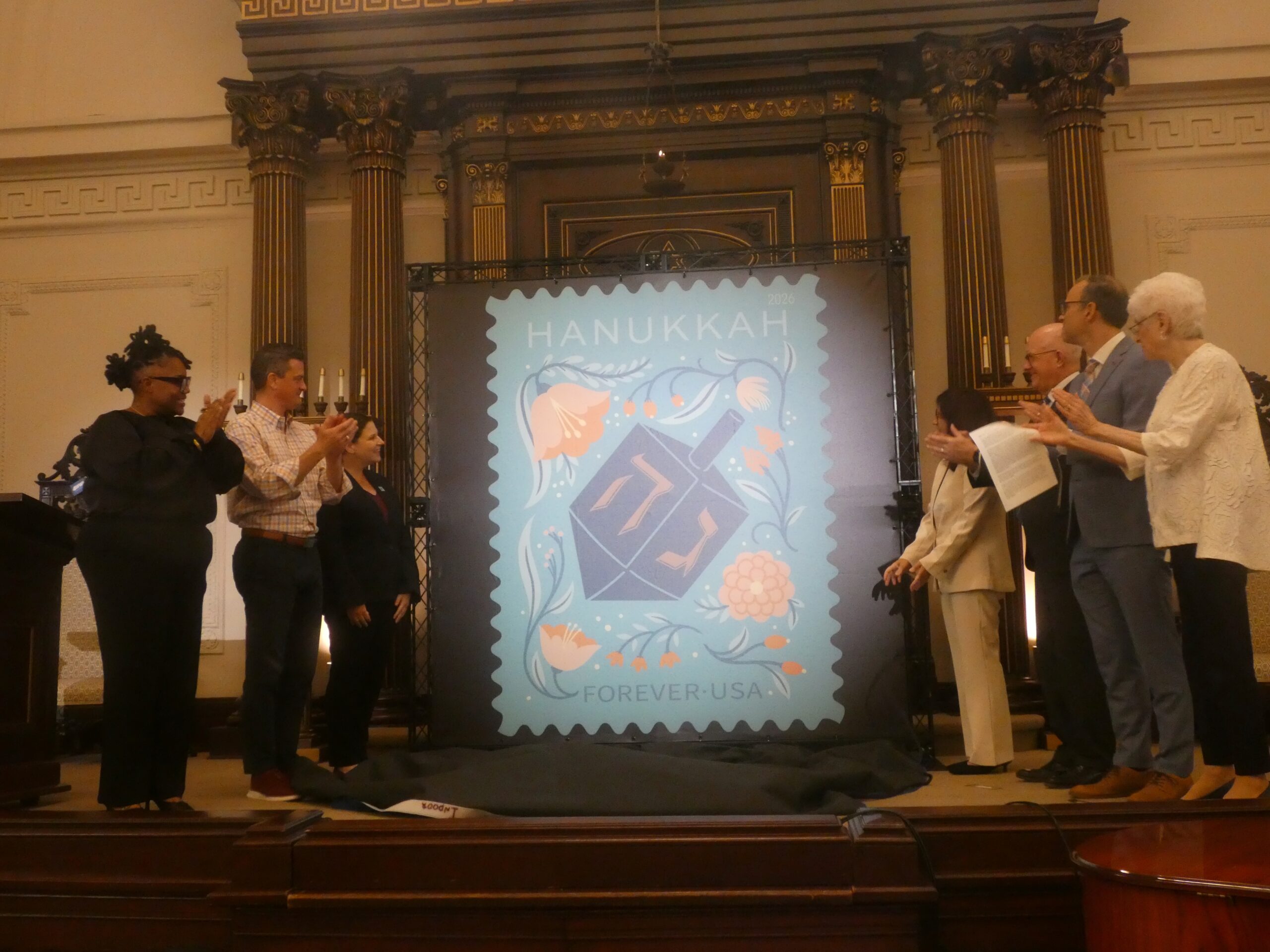
The Hanukkah Forever® Stamp is formally revealed. (Photo by Alan Smason)
The small stamp they were unveiling, Brownlie added, “carries with it a big message of tradition and connection.”
At a given signal, Brownlie allowed the cover over the image of the stamp to be removed and, as it fell to the bimah, revealing the artwork of the stamp, the audience echoed their approval with a thunderous round of applause.
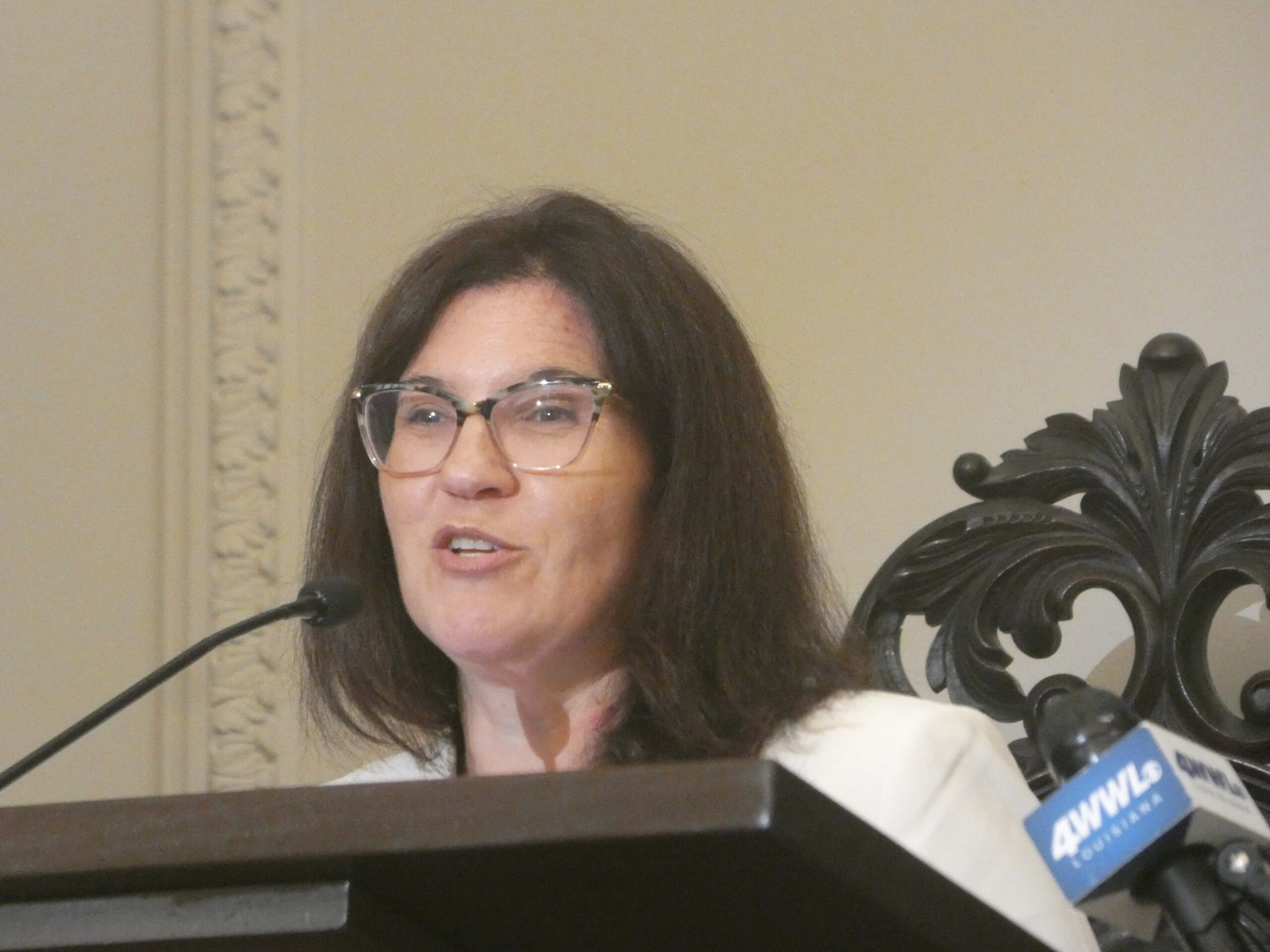
Touro Synagogue historian Adrian Genet, whose family goes back seven generations as Touro members, spoke on the history of the synagogue, which was founded under the Sephardic tradition.
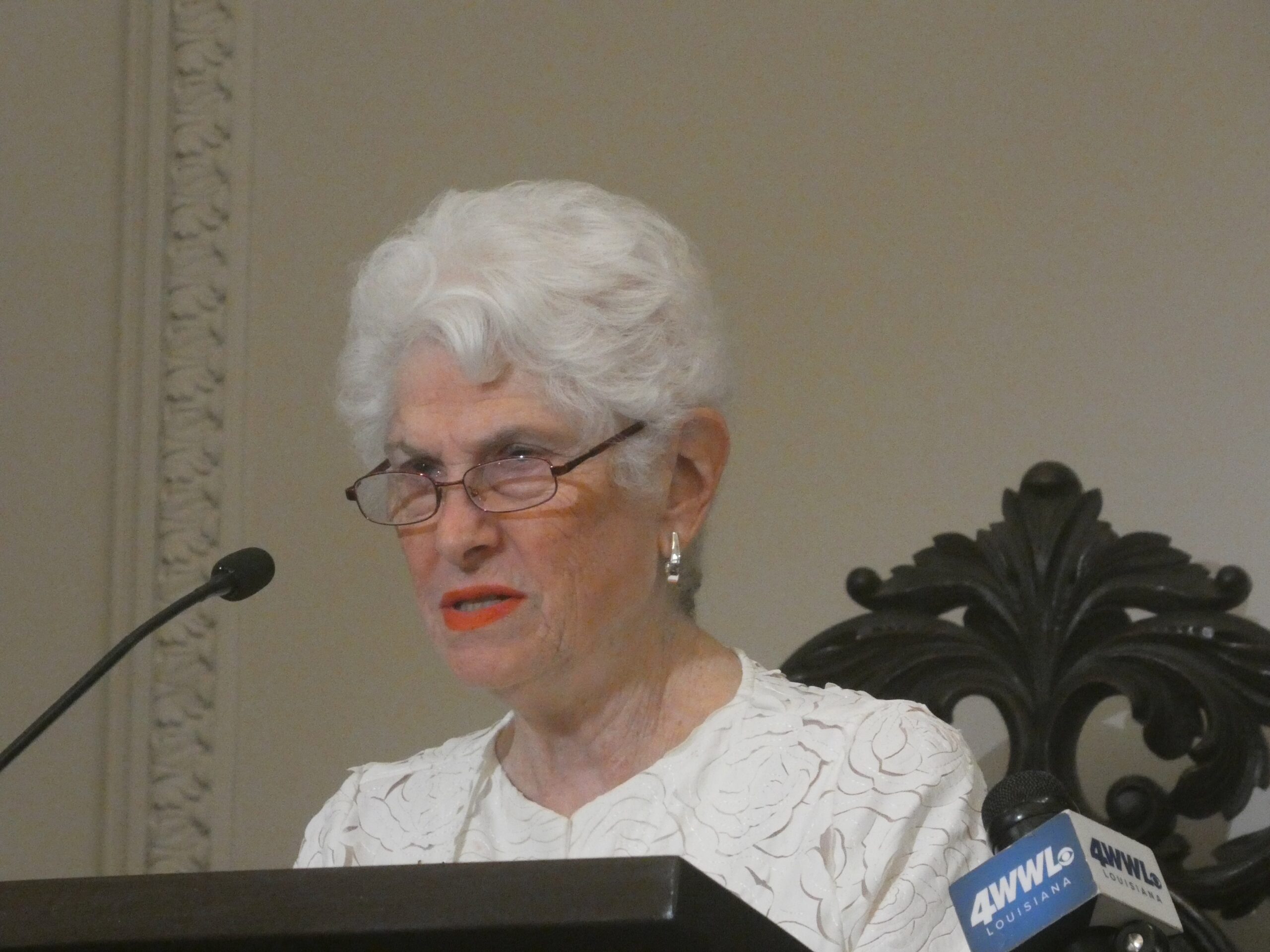
Genet spoke on the many accomplishments of Judah Touro, which also included the establishment of Touro Infirmary, a home for the elderly and the founding of the first free public library in the United States. “It didn’t last long,” she admitted.
When Gates of Mercy and Dispersed of Judah merged in 1881, Genet continued, the fact they were able to do so with funds from Judah Toruo led to the congregation being known as “Touro Syngagogue.” However, an official name change did not take place until 1937, she noted. The current building on St. Charles Avenue at General Pershing is by architect Emile Weil and was dedicated in January of 1909, she added.
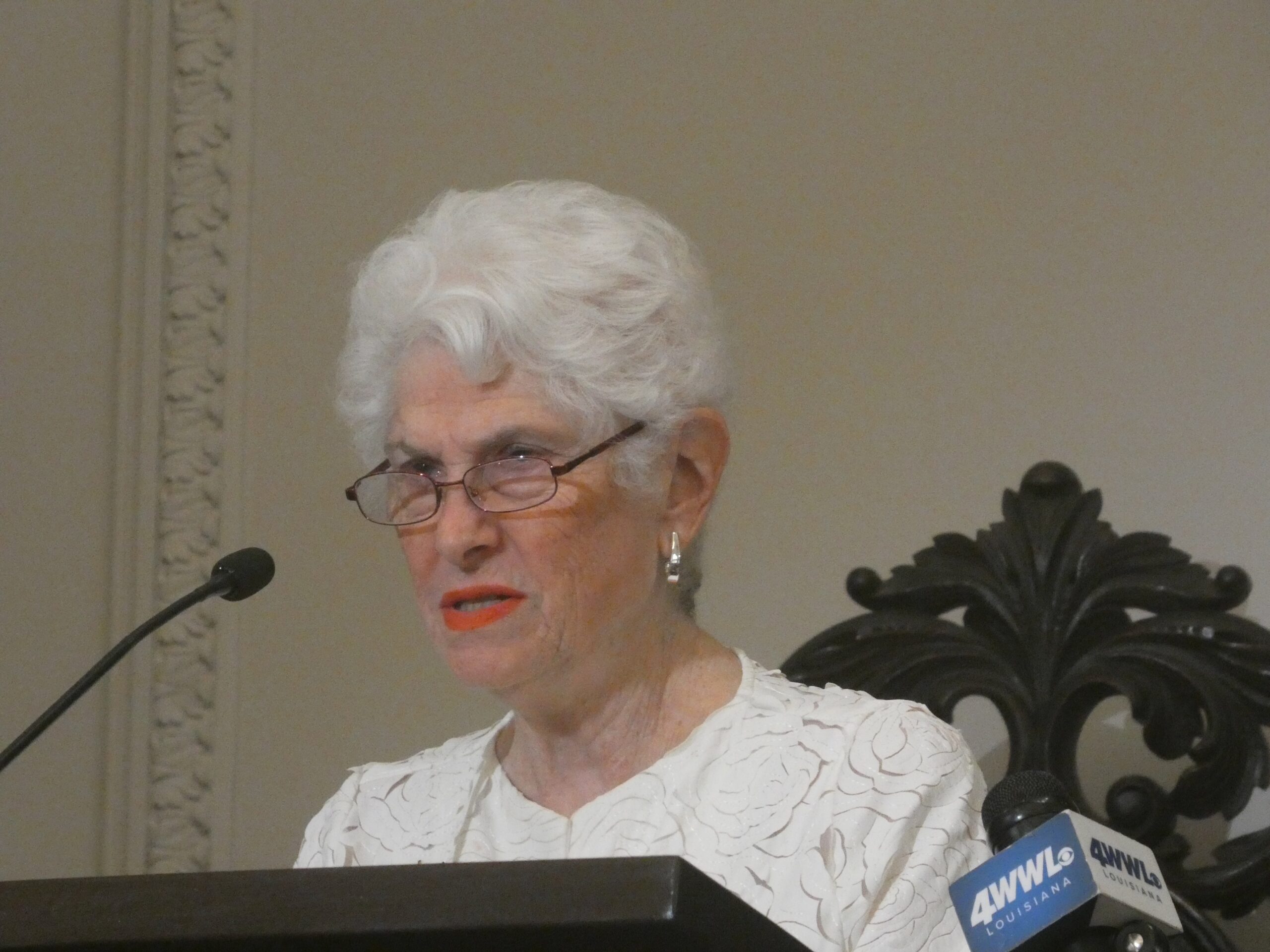
Senior Rabbi Katie Bauman spoke briefly on the history of Chanukah, acknowledging that the story of the Maccabees is not included in the Jewish canon, which was codified around 500 B.C.E. The story of the Maccabees is told in other books that are accepted as part of the Christian Bible, but come to the religion through study and rabbinic commentaries for centuries.
She spoke on the significance of kindling the Chanukah lights and that Jews should be appreciative for the opportunities to follow their faith and practice their religion in America.
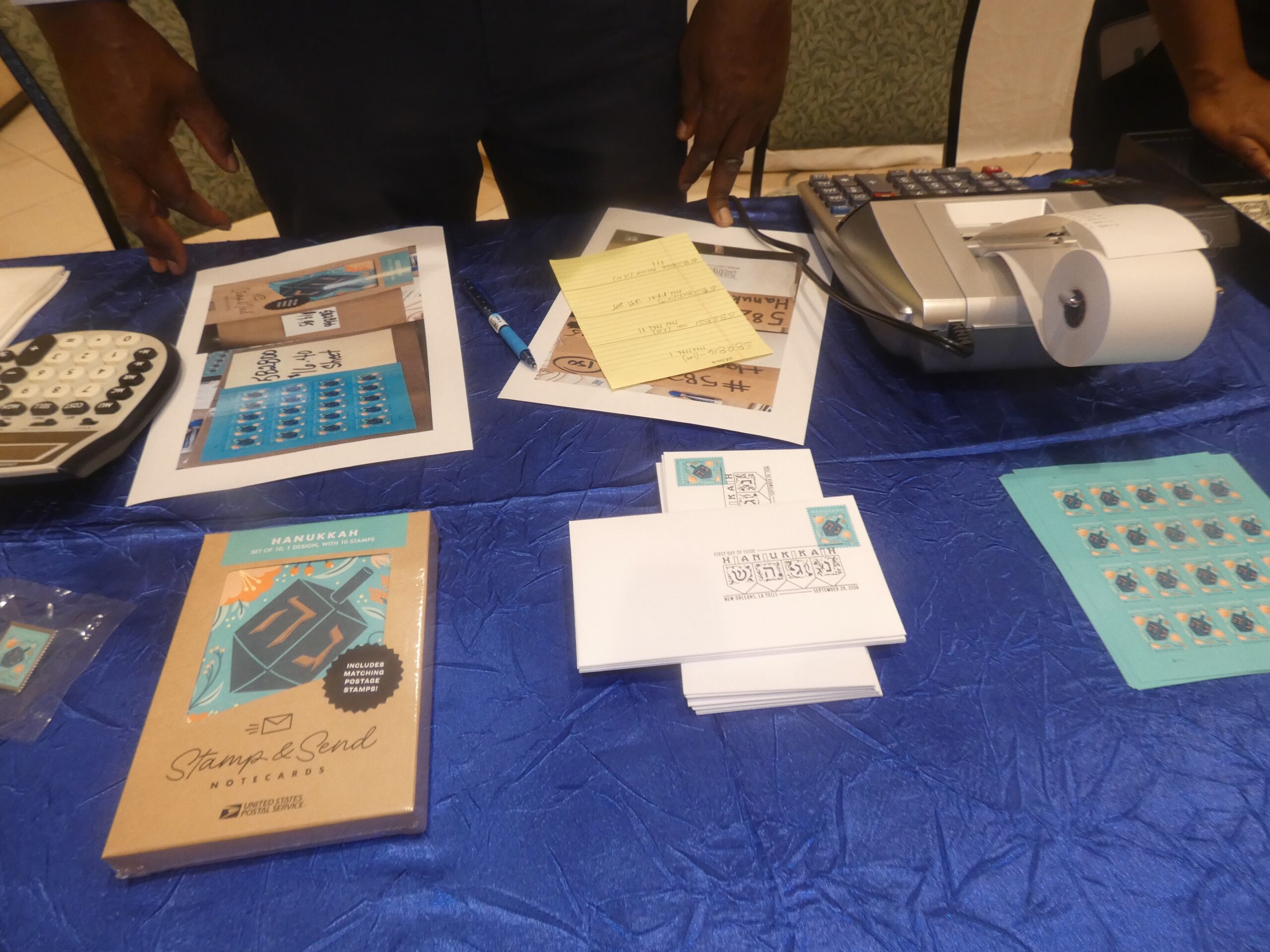
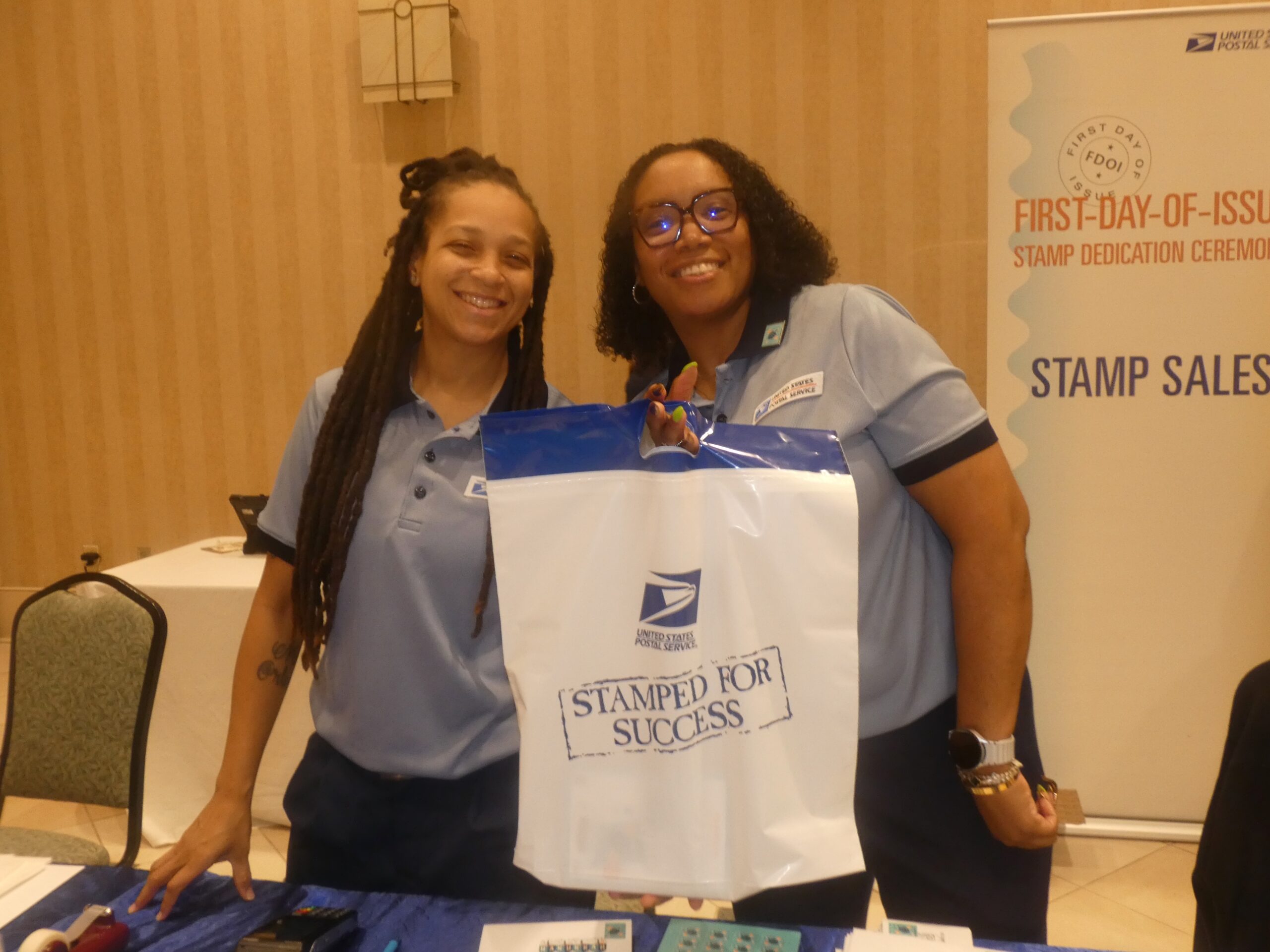
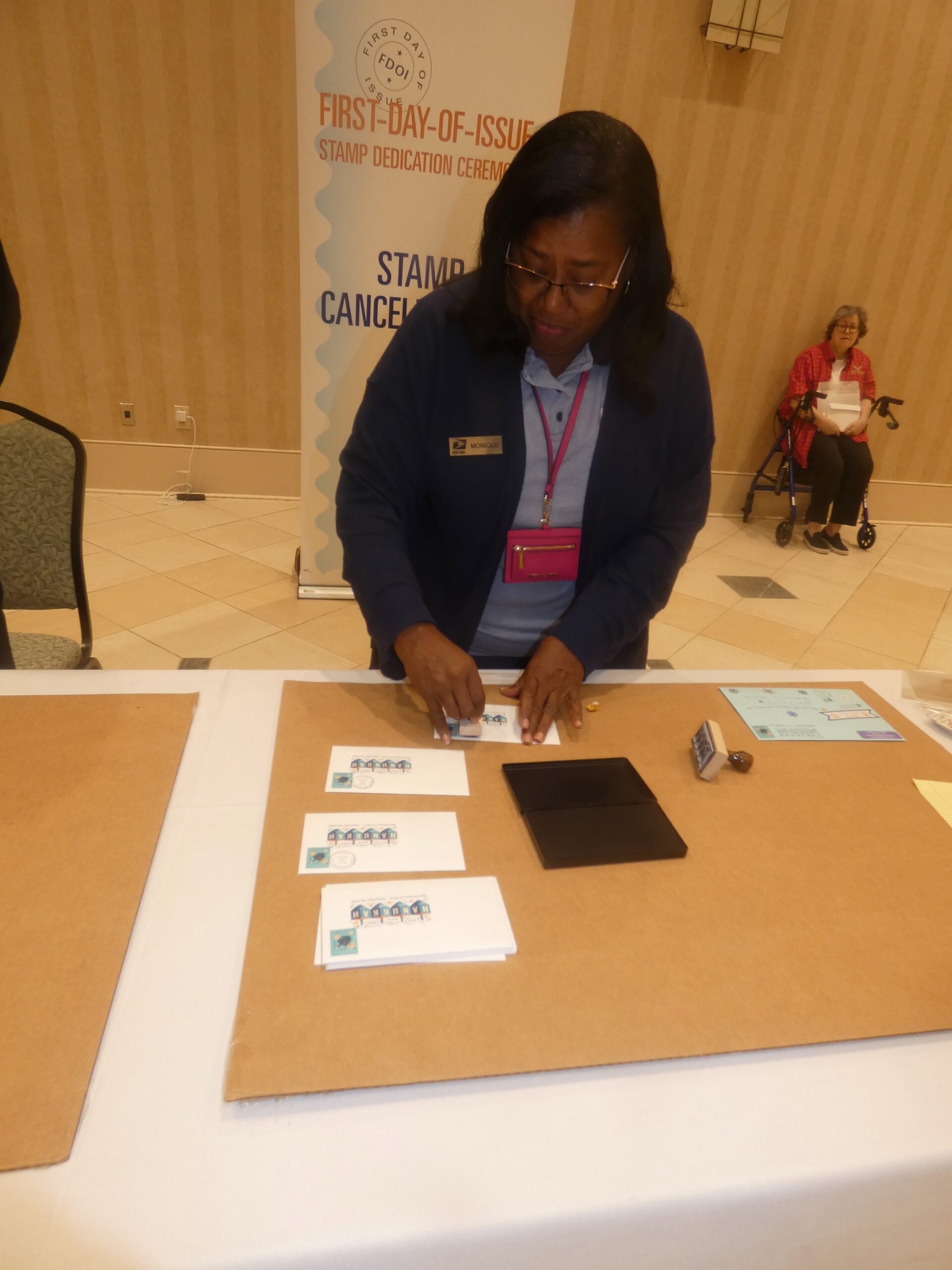
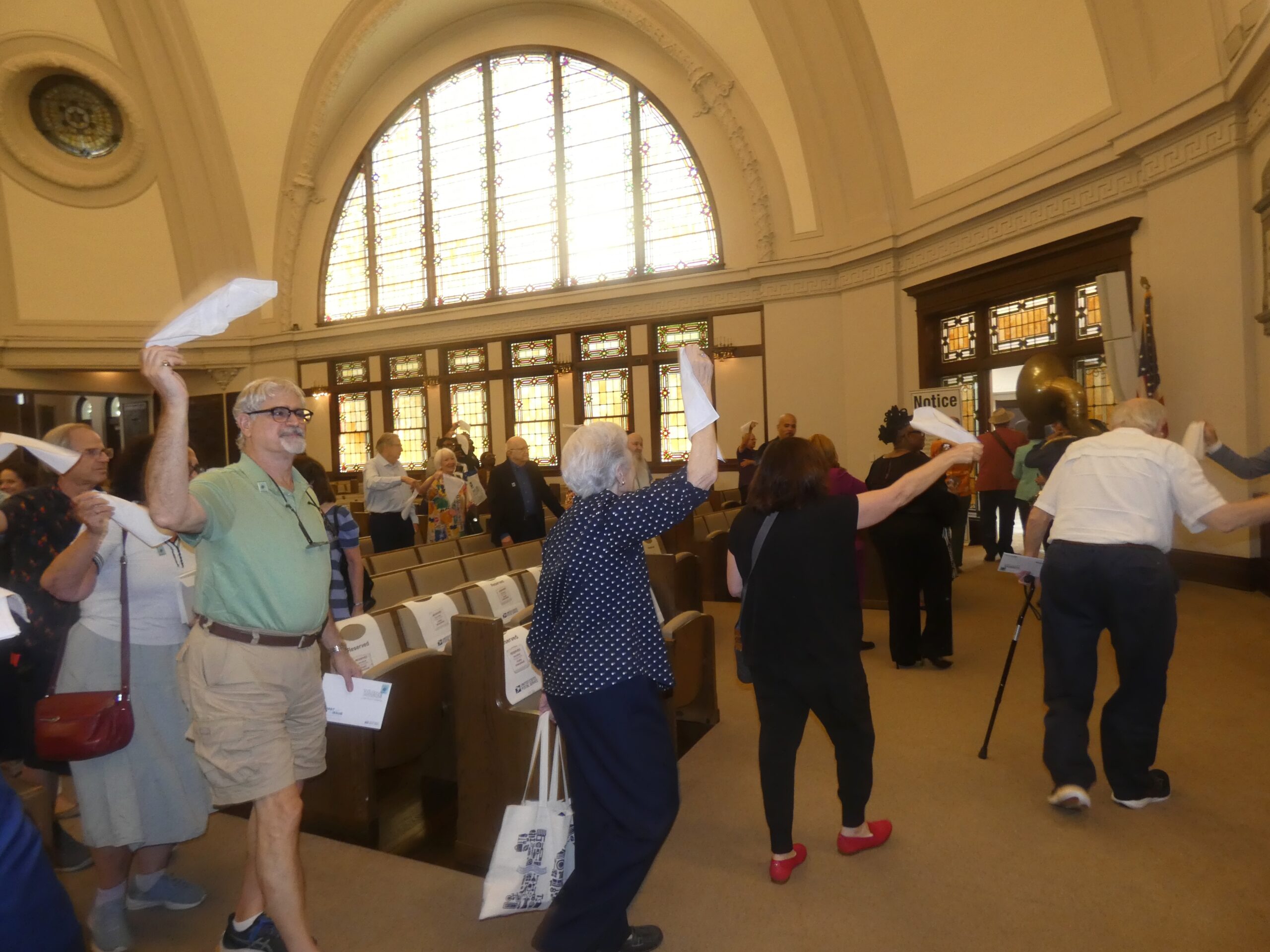
Following the rabbi’s address, the Panorama Jazz Band, led by Ben Schenck, paraded through the sanctuary and led the attendees into the social hall, where stamps and collectible first day of issue envelopes were sold and canceled by USPS employees. The speakers also signed signature cards in remembrance of the day.





Editor’s note: The CCJN’s policy is, wherever possible, to use consistent language and spelling across its platform. The CCJN’s preferred spellings of Succot and Chanukah are normally employed unless they are written or expressly quoted differently. The USPS marketing material specifically uses the spelling of the holiday on its stamps and literature as Hanukkah.
