


Aelita, Tova to sing in Yiddish at Moscow Nights presentation
By ALAN SMASON, Exclusive to the CCJN
Two of the best interpreters of Yiddish song will be featured as part of this week’s “Longing for Peace and Home: Russian and Jewish Songs of the Second World War,” being produced by Moscow Nights, a local non-profit artistic entity dedicated to the promotion of Russian culture through theatrical and musical presentations.
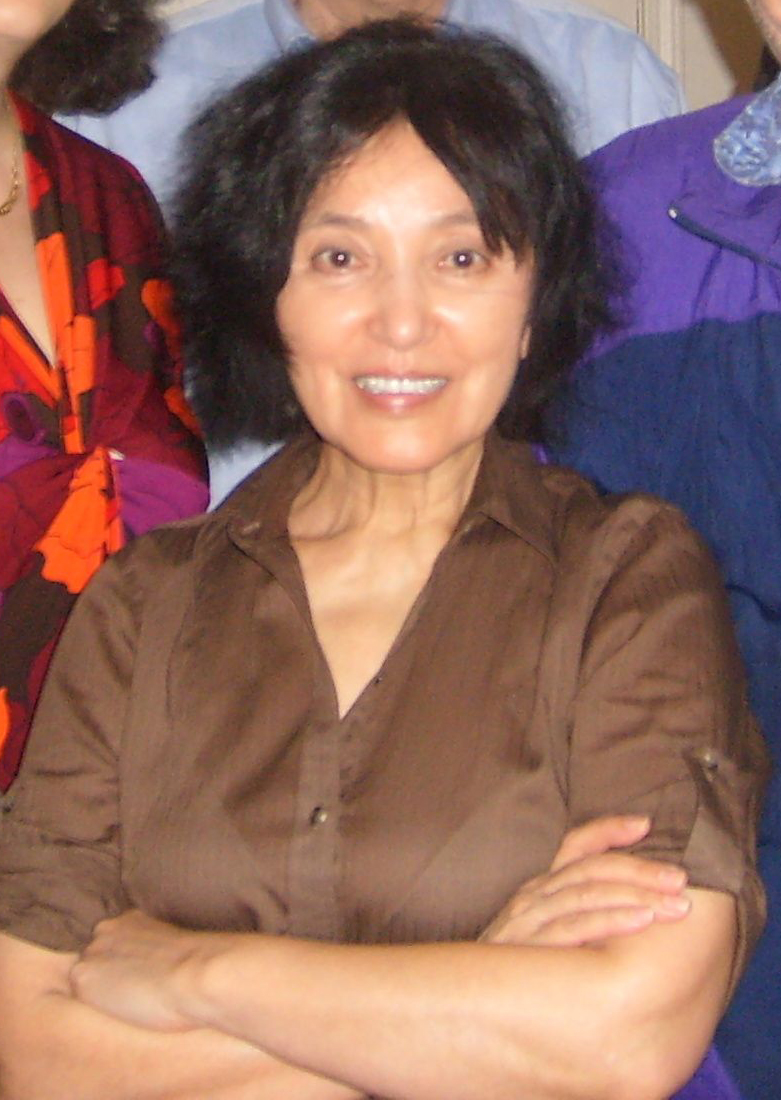
Moscow Nights executive director Natasha Ramer is getting ready to present “Longing for Peace and Home: Russian and Jewish Songs of the Second World War. (Photo by Alan Smason)
Aelita, considered one of the leading interpreters of Yiddish cabaret, and Theresa Tova, a self-described “Yiddish Diva,” will join with Moscow Nights founder and executive director Natasha Ramer, who will sing in Russian.
In separate telephone interviews with the CCJN, both Aelita and Tova answered questions about their participation on the program. The first offering was presented Thursday night at Congregation Gates of Prayer in Metairie. The final two shows are being presented Friday and Saturday nights (Oct. 28 and 29) at the Marigny Opera House, 725 St. Ferdinand Street in the Faubourg Marilyn. All performances begin at 7:30 p.m.
Tova first met Ramer when they were both participants in 2005 at the Yale Cabaret Conference. Like all participants in the program, Tova was asked to perform a piece of her own choosing to familiarize her fellow cabaret performers in what it was that she did.
“I got up and I sang a Yiddish Holocaust tune,” Tova recalled. “Her heart opened. It’s daring, but it’s what I do. I feel most comfortable in singing in Yiddish.” Fortuitously, the two were paired and spent the better part of a week as roommates and have forged a deep friendship.
So, when Ramer decided she wanted to incorporate Yiddish songs in performance this year, it was only natural for her to call upon Tova.
“Natasha called me and she said ‘We want to do this exploration of women and war and I want to work with Aelita – she’s Russian and she does cabaret, but I need you to bring your expertise – your Yiddish music,'” Tova stated.
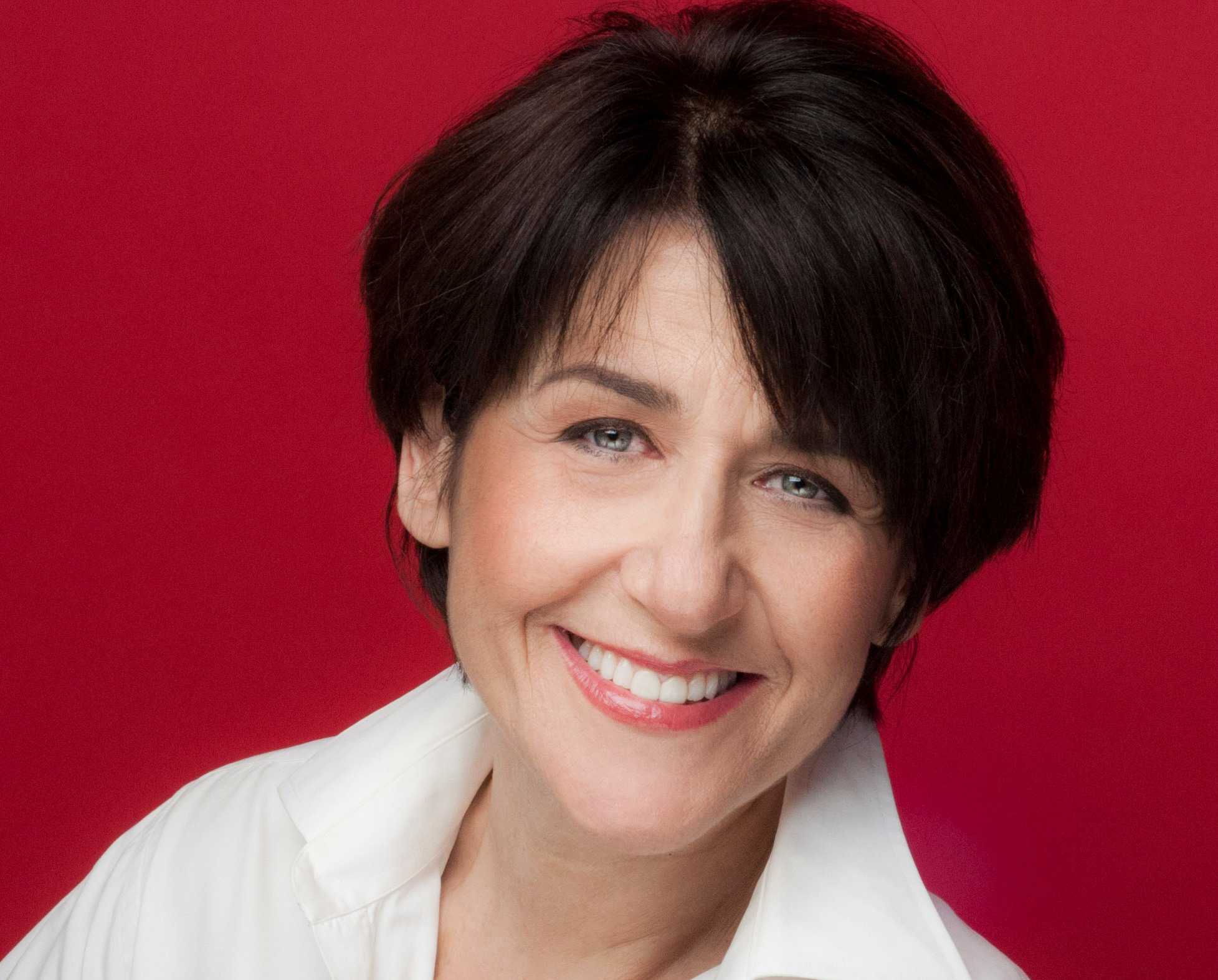
Theresa Tova (Courtesy of Theresa Tova)
Tova treasures her connection to the Yiddish songs of the era. “When I commit myself to the Yiddish work, it’s not because it’s Yiddish it’s because – I hate to use this word that is overused – it is world class. The songs – this music – that was being written in the camps, in the ghettos, in the woods is just exceptional,” Tova continued.
“What I like to do and what I pride myself in doing is moving these songs forward into a modern sensibility.”
For Aelita, who was born in Riga, Latvia, the connection to Yiddish came through her grandmother. “My grandmother lived with us and I learned the language through the music most of all,” Aelita confided. “She knew hundreds of songs and for every occasion there was a Yiddish song that she would sing. And she would talk Yiddish to us.”
After 1940, when the Russians overtook Latvia, things changed, she learned later. Aelita’s parents, who met five years after the Soviets moved in, elected to learn Russian. Practicing Judaism largely went underground in the Soviet-controlled state.
“Practicing, like lighting Shabbos candles, it was very dangerous,” she revealed. “You had to close the windows and all the drapes so that no one could see it. We had the one synagogue as a student I used to go for Rosh Hashanah and I saw that my scholarship was revoked because of all the secret agents. It was very, very hard. It was really difficult.”

Aelita (Courtesy of Aelita)
Aelita eventually left Europe for North America, and catapulted her cabaret career to not only include Yiddish, Russian and Latvian, but also to include 13 other languages. Billed as “The Queen of Cabaret,” she presently lives in Toronto, but tours worldwide. In the upcoming concerts she will sing in Yiddish, Russian and German.
The three singers – Aelita, Tova and Ramer – will sing one song, “Zog Nit Keyn Mol” (“Never Say”) as a trio, while a Russian piece titled “The Cranes” will be sung by both Ramer in Russian and Tova in English.
The program will have at least fifteen songs, all culled from the period of World War II and picked for their capacity to move audience members. Aelita will sing “Oyfn Pripetchik” (“At the Fireplace”), one of the most well-known pieces of the Yiddish repertoire, and “Shpil Zhe Mir a Lidel in Yiddish” (“Play Me a Song in Yiddish”).
One of Tova’s most moving Yiddish pieces will be “Shtil Di Nakht” with renowned Russian pianist Boris Fogel on piano accompaniment. This is the title song from the Canadian Tony Award-winning musical “Still the Night” she wrote about her mother, who survived the Holocaust by living in the forests during the war.
In addition to Fogel, gypsy and Romanian guitartist Vadim Kolpakov and Tulane music authority and percussionist John Joyce will also be on the bill. There will be some surprises, according to all three singers.
Tickets are $25.00 for general tickets, $20.00 for seniors and $15.00 for students.
For more information, check the Moscow Nights website here.
