Panel discussion at WW2 Museum focuses on Nazi propaganda
By DEAN M. SHAPIRO, SPECIAL TO THE CCJN
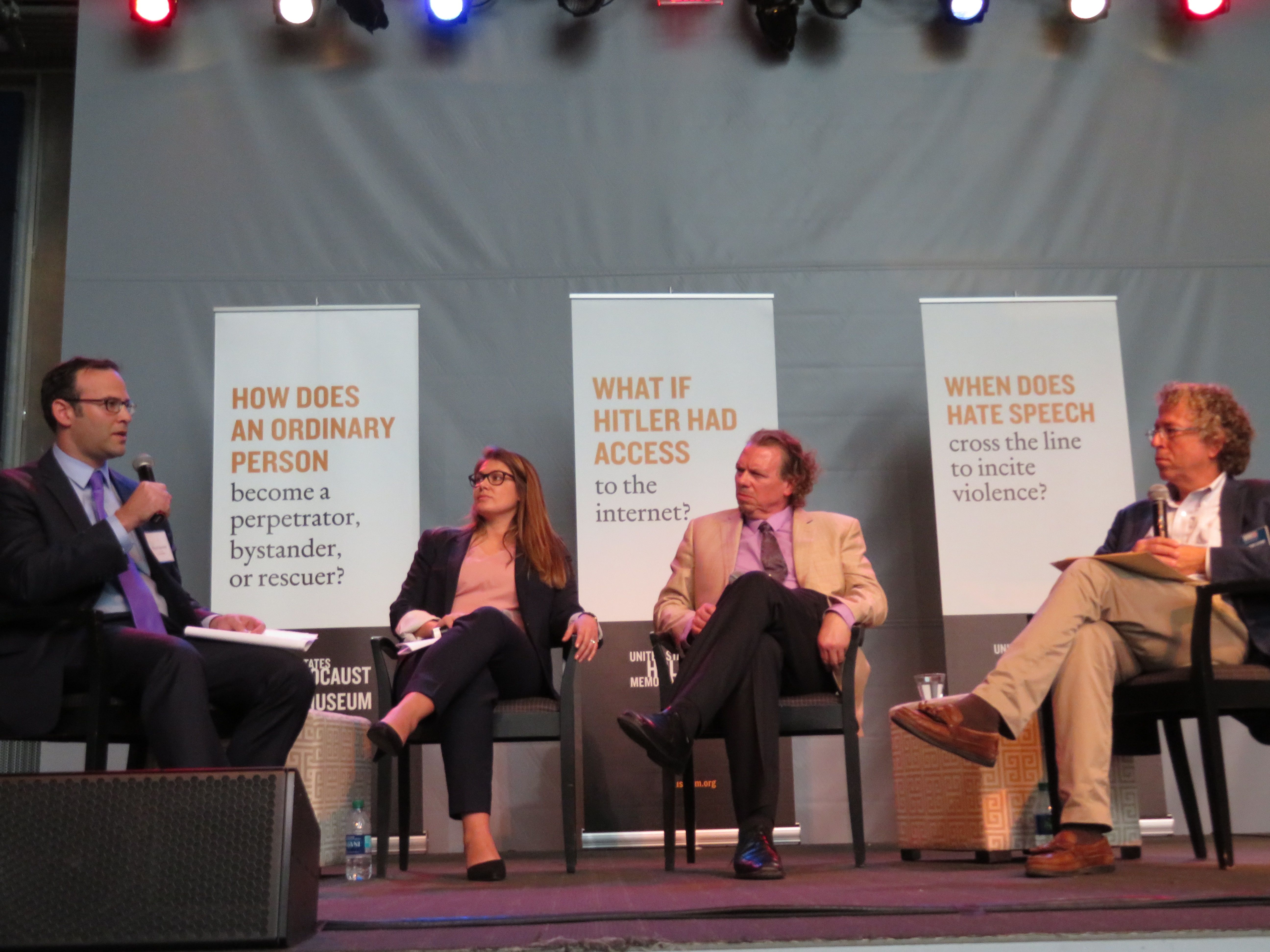
Although our current U.S. president was never mentioned by name during Wednesday evening’s one hour and fifteen minute panel discussion on the use of Nazi propaganda leading up to and during the Third Reich in Germany, the implications were unmistakably clear in the parallels that were drawn by the panelists between then and now.
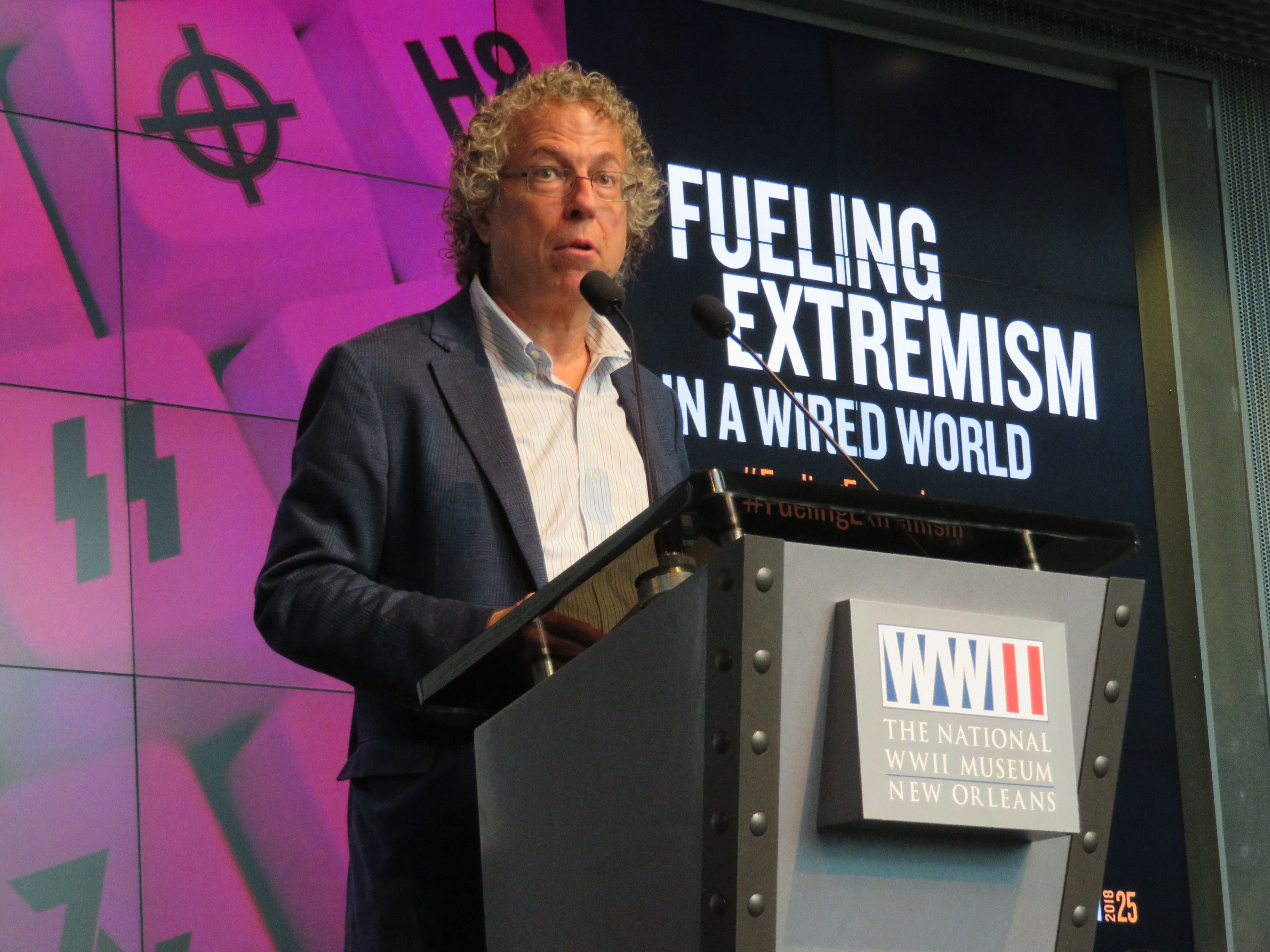
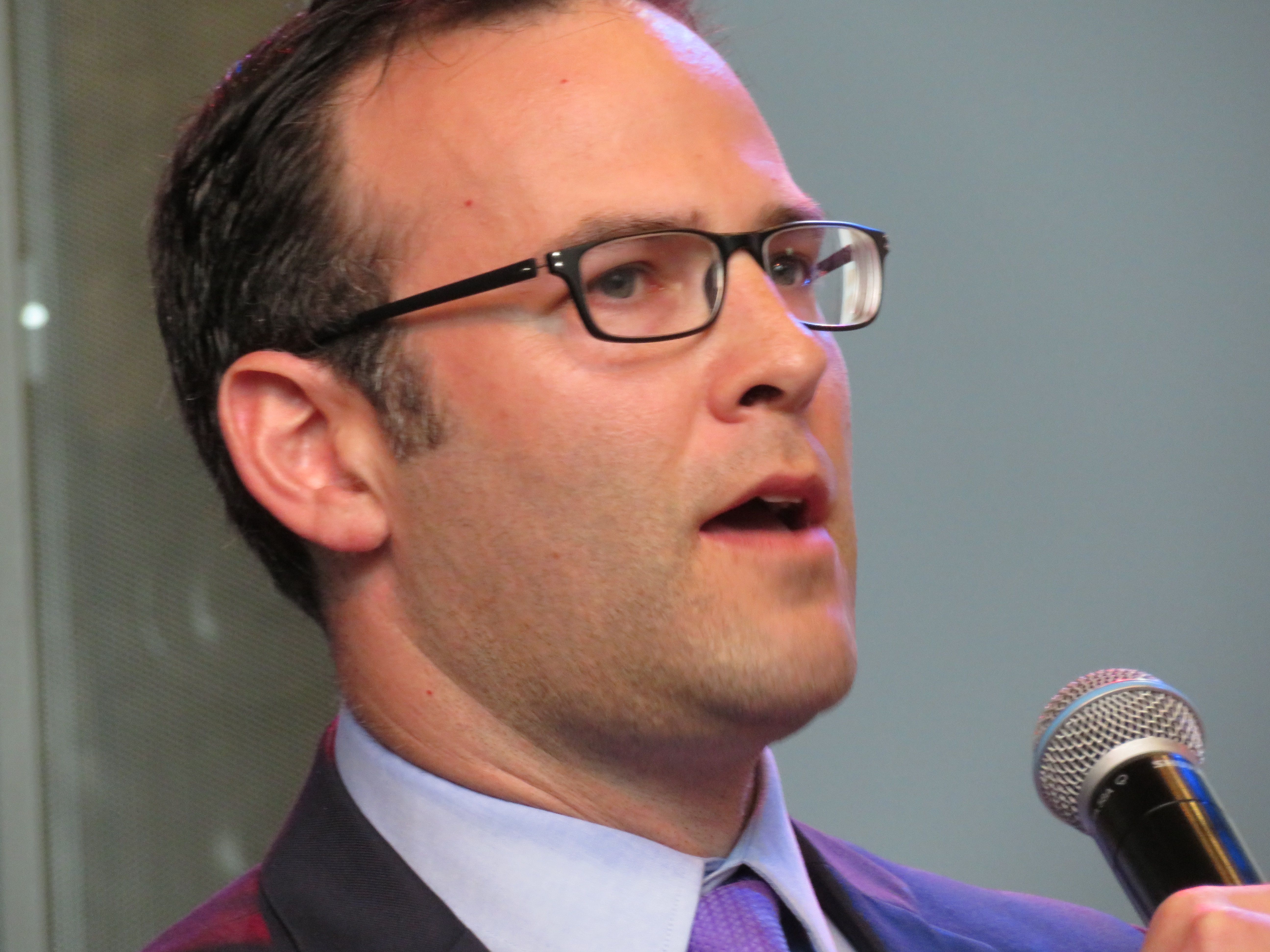
Steven Luckert speaks on the use of propaganda by the Nazis at the National World War II Museum. (Photo by Alan Smason)
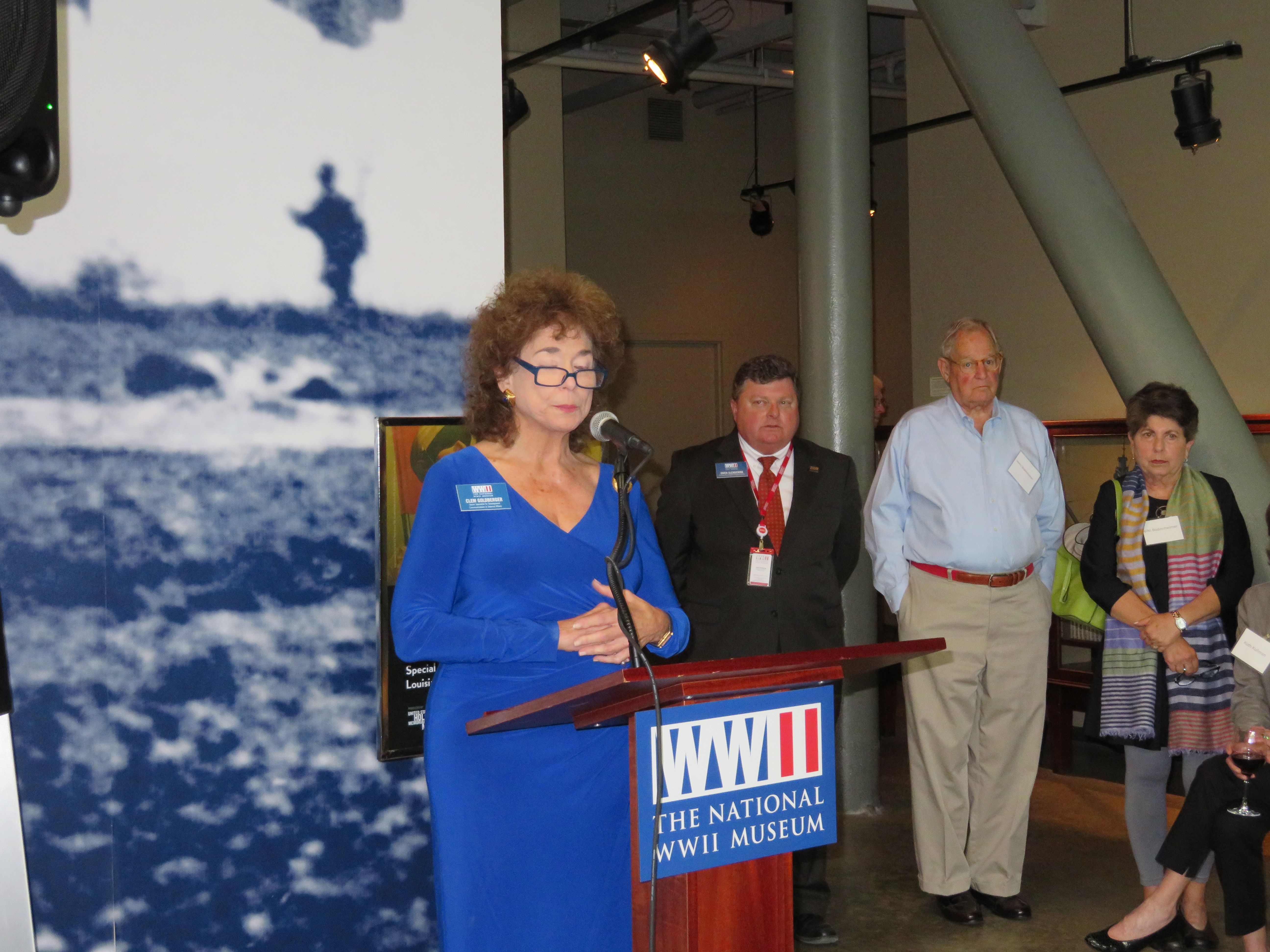
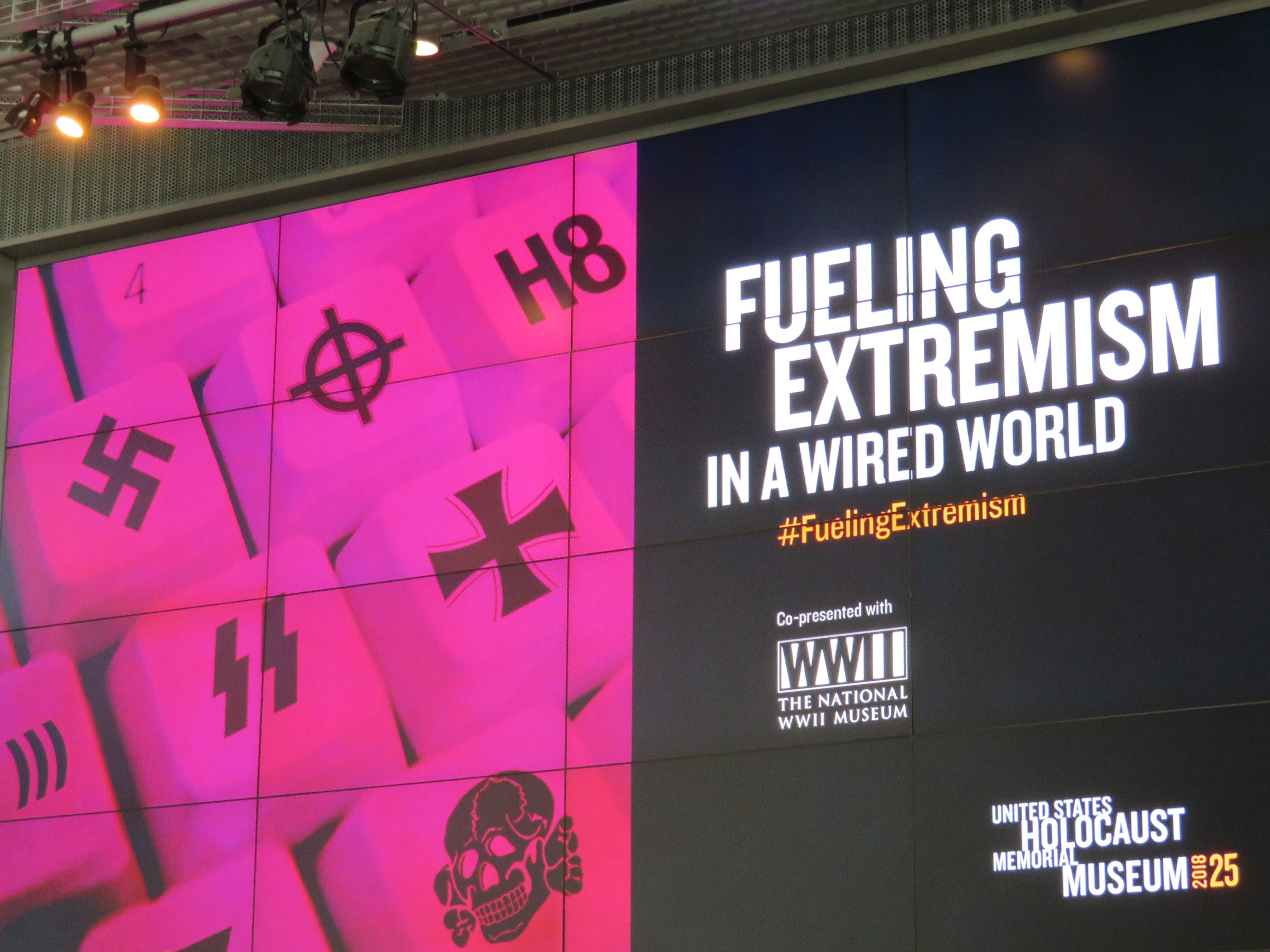
The well-attended, open-to-the-public forum held in the Freedom Pavilion of the National World War II Museum, coincided with a six-month traveling exhibit from the United States Holocaust Memorial Museum in Washington, DC.
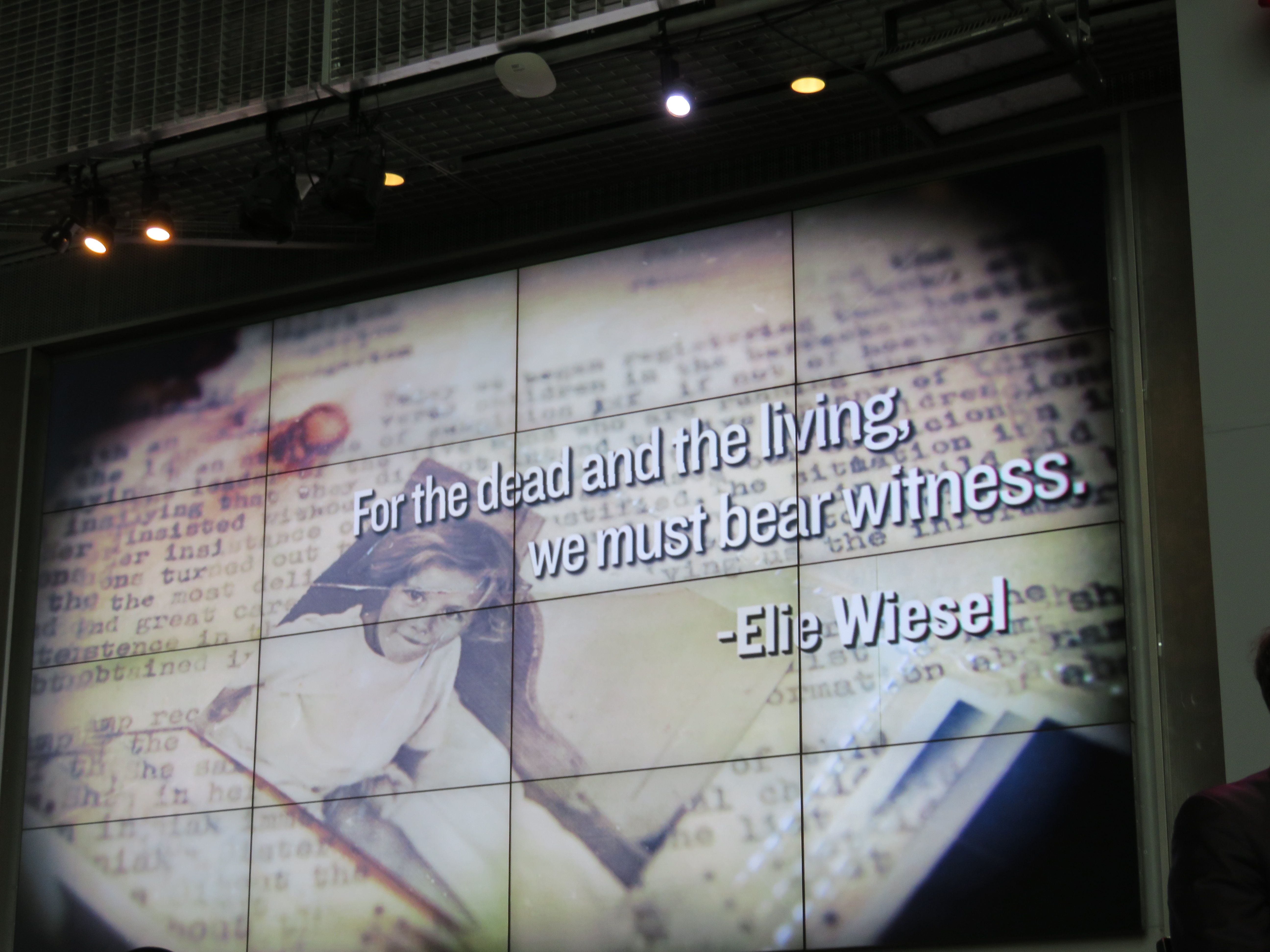
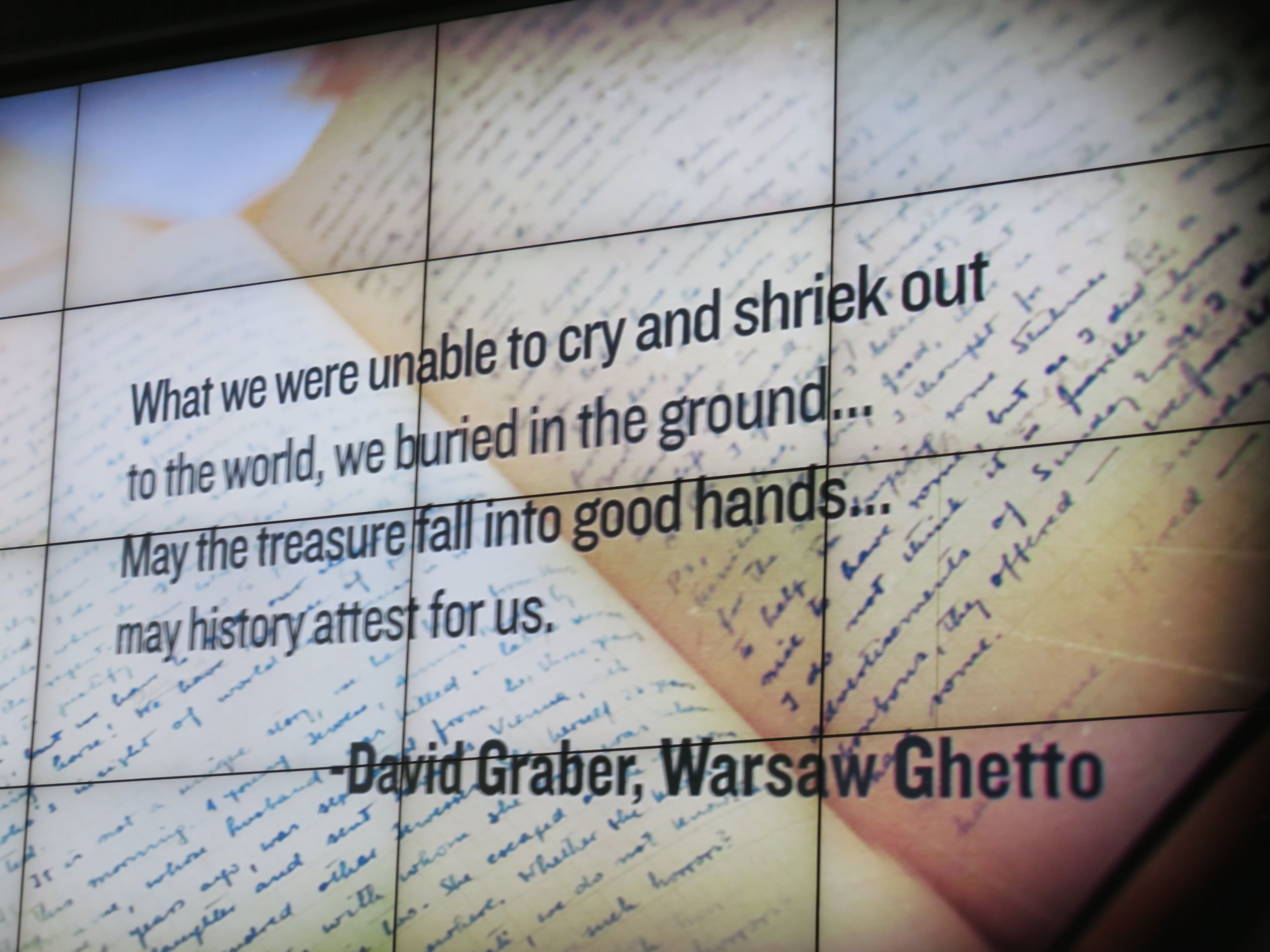
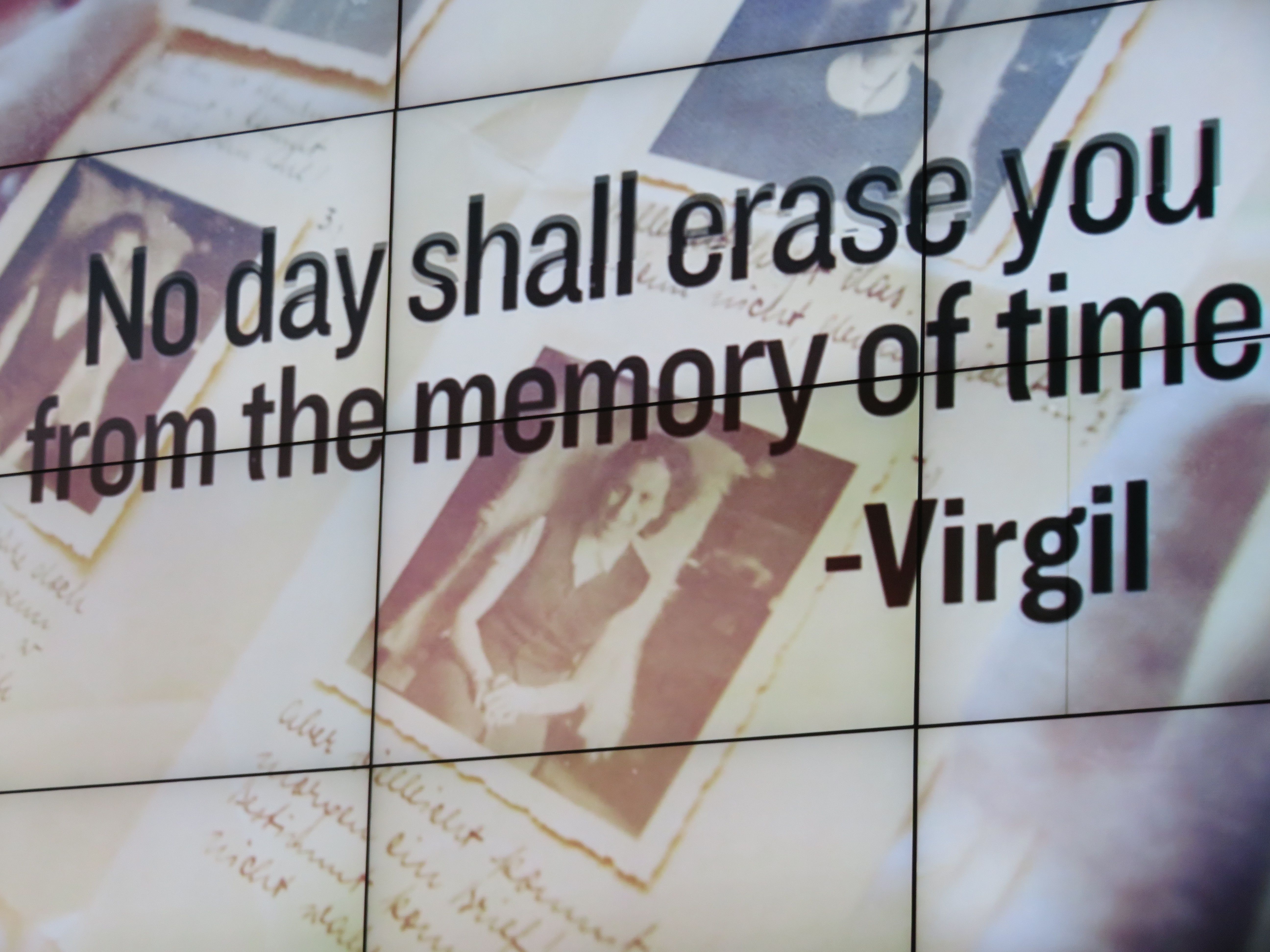
The exhibit, titled “State of Deception: The Power of Nazi Propaganda,” zeroes in on the manner and means by which Adolf Hitler and his followers were able to successfully infiltrate and utilize the print media and other visual elements to gain power in Germany in the 1930s.
Those successes helped fuel the Nazis’ mission of launching a vicious media hate campaign that targeted Jews and other groups deemed to be “enemies of the state”: a campaign that ultimately led to the Holocaust and a legacy of genocide unparalleled in recorded history.
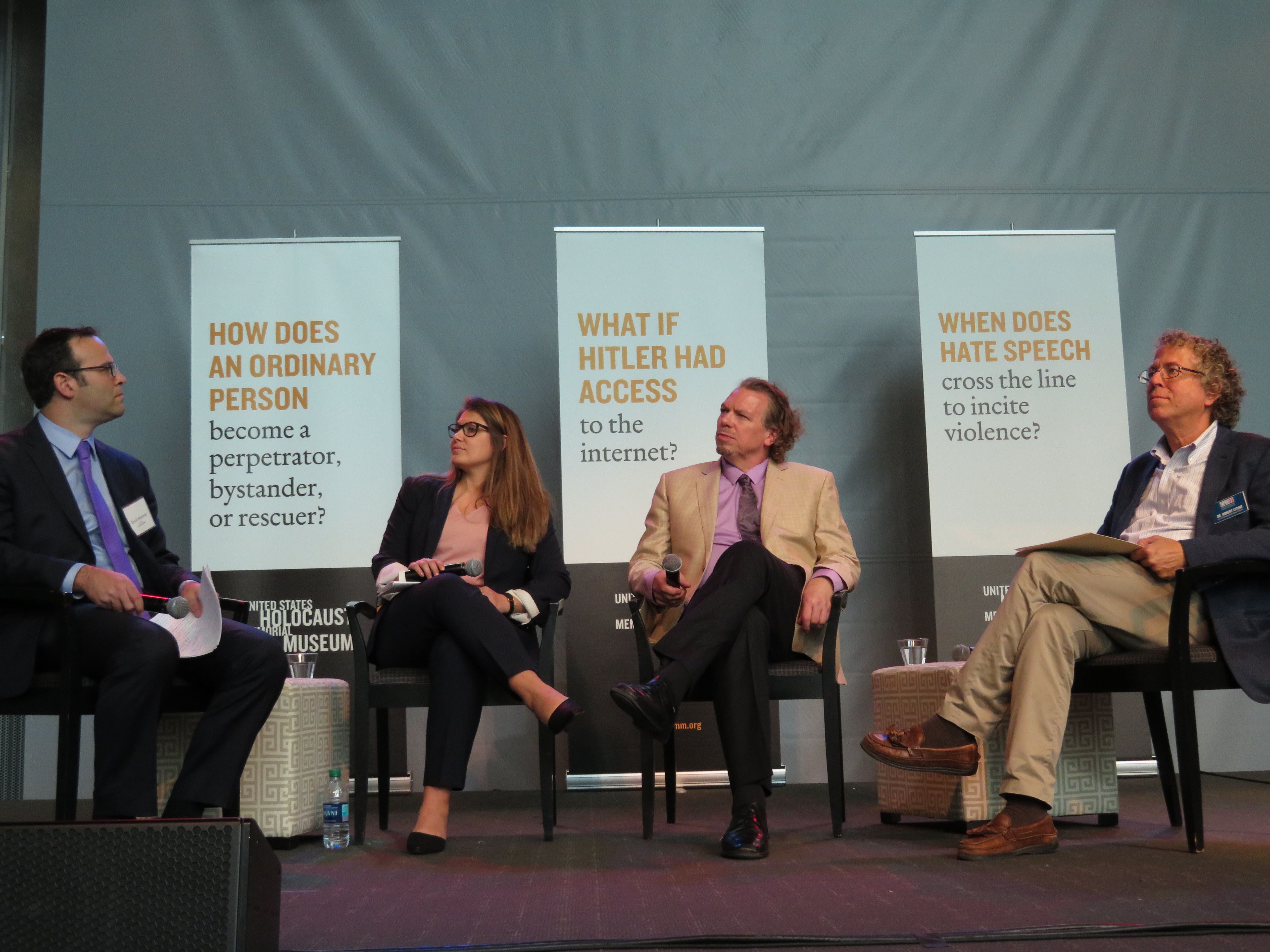
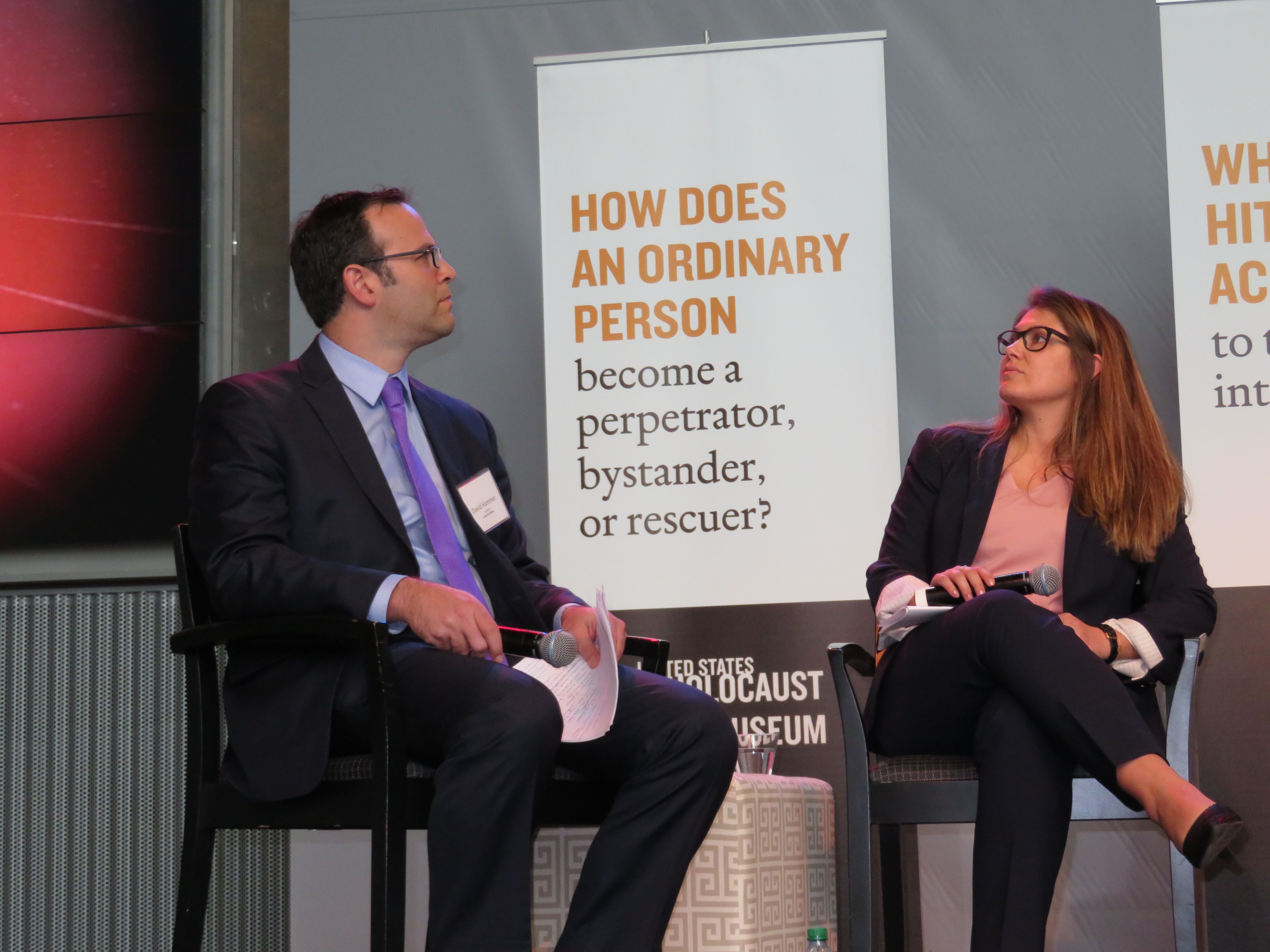
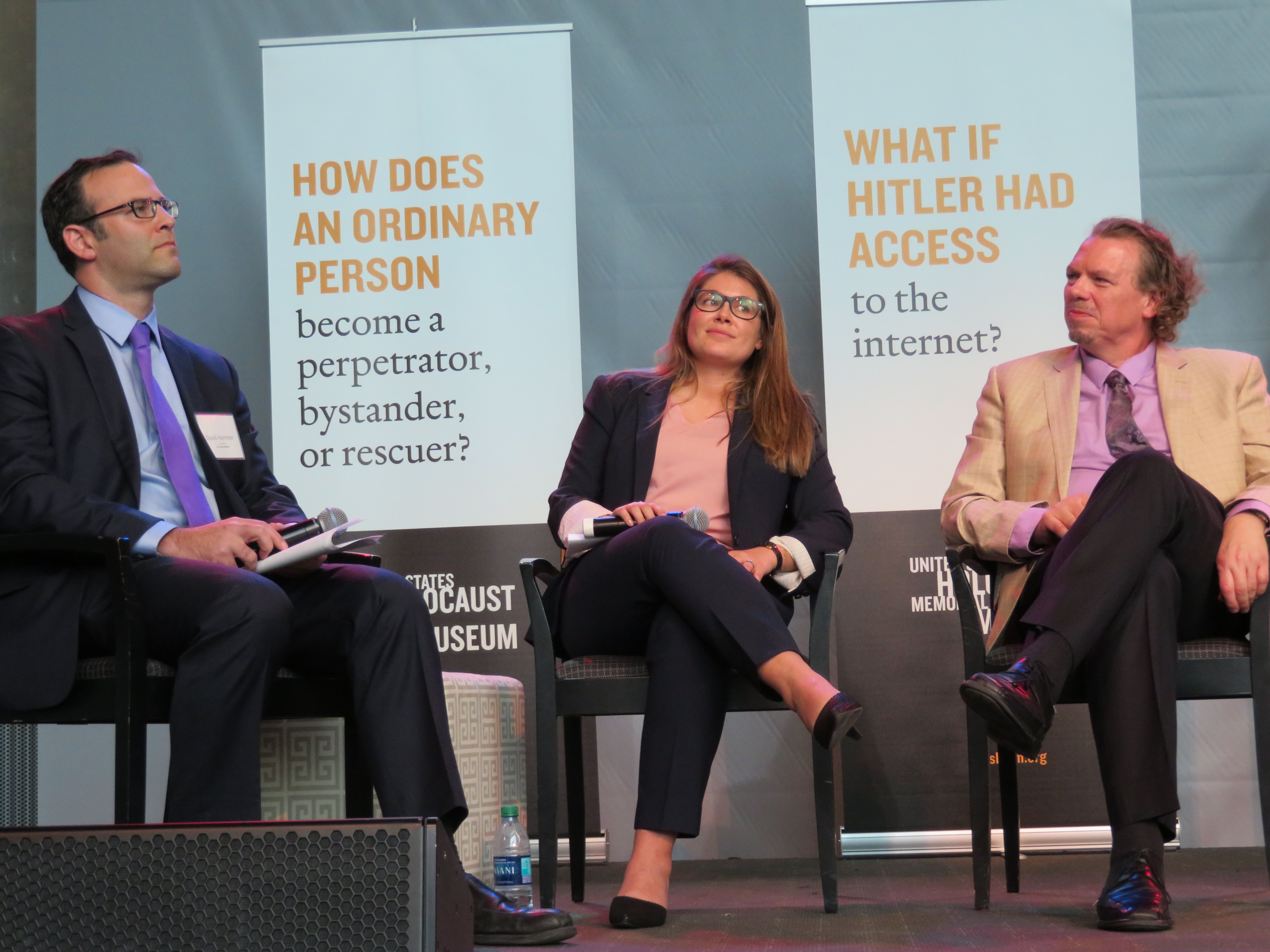
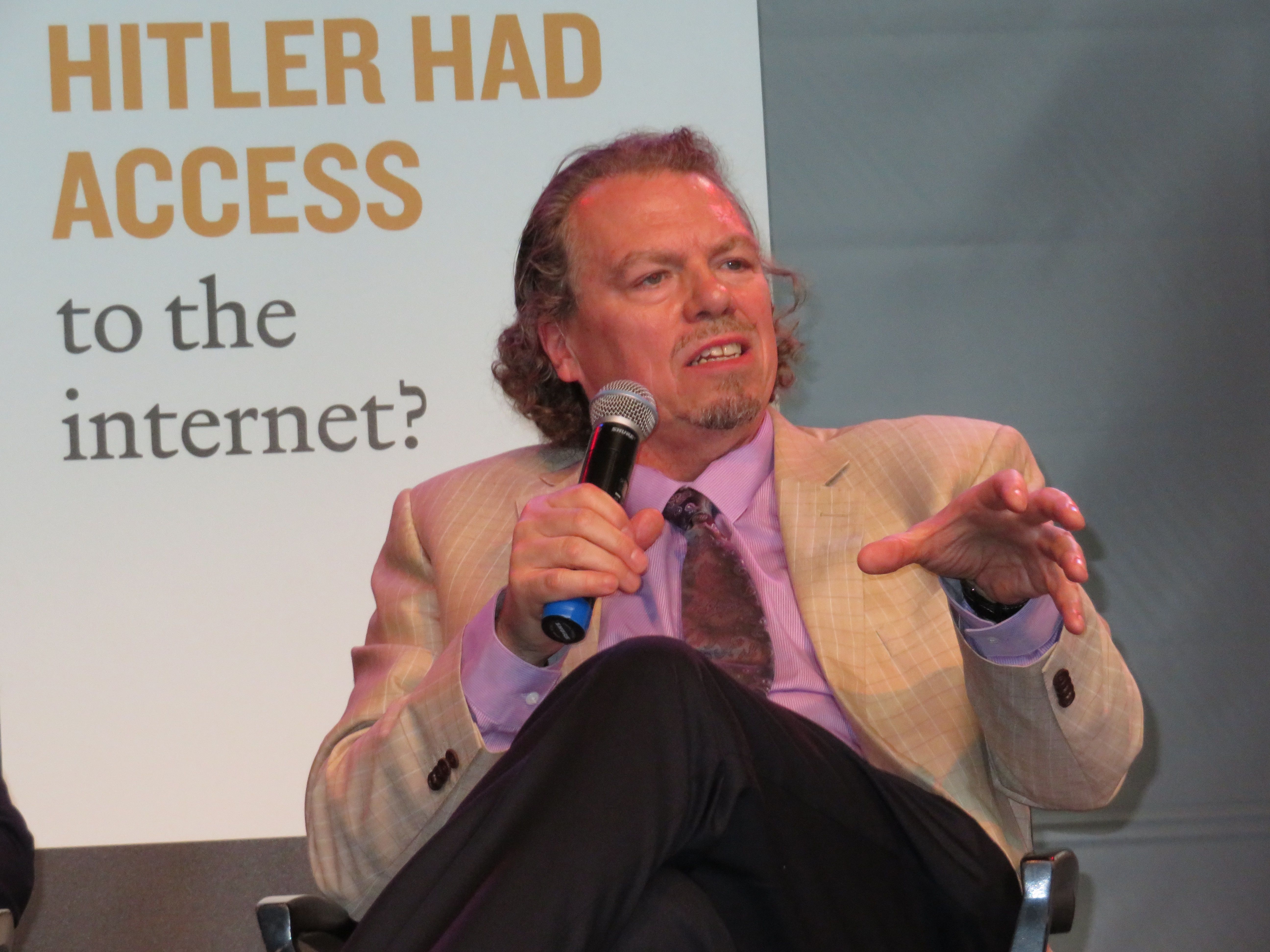
The panelists were led by Steven Luckert, the Holocaust Museum’s senior program curator for digital learning and new media who organized and assembled the visual elements in the traveling exhibit. Other panelists included Amanda Nimmer, associate program director for Quantum Communications and an authority on media campaigns, and David Hammer, an award-winning investigative news reporter for WWL-TV Channel 4 News and a former political reporter for the Times-Picayune.
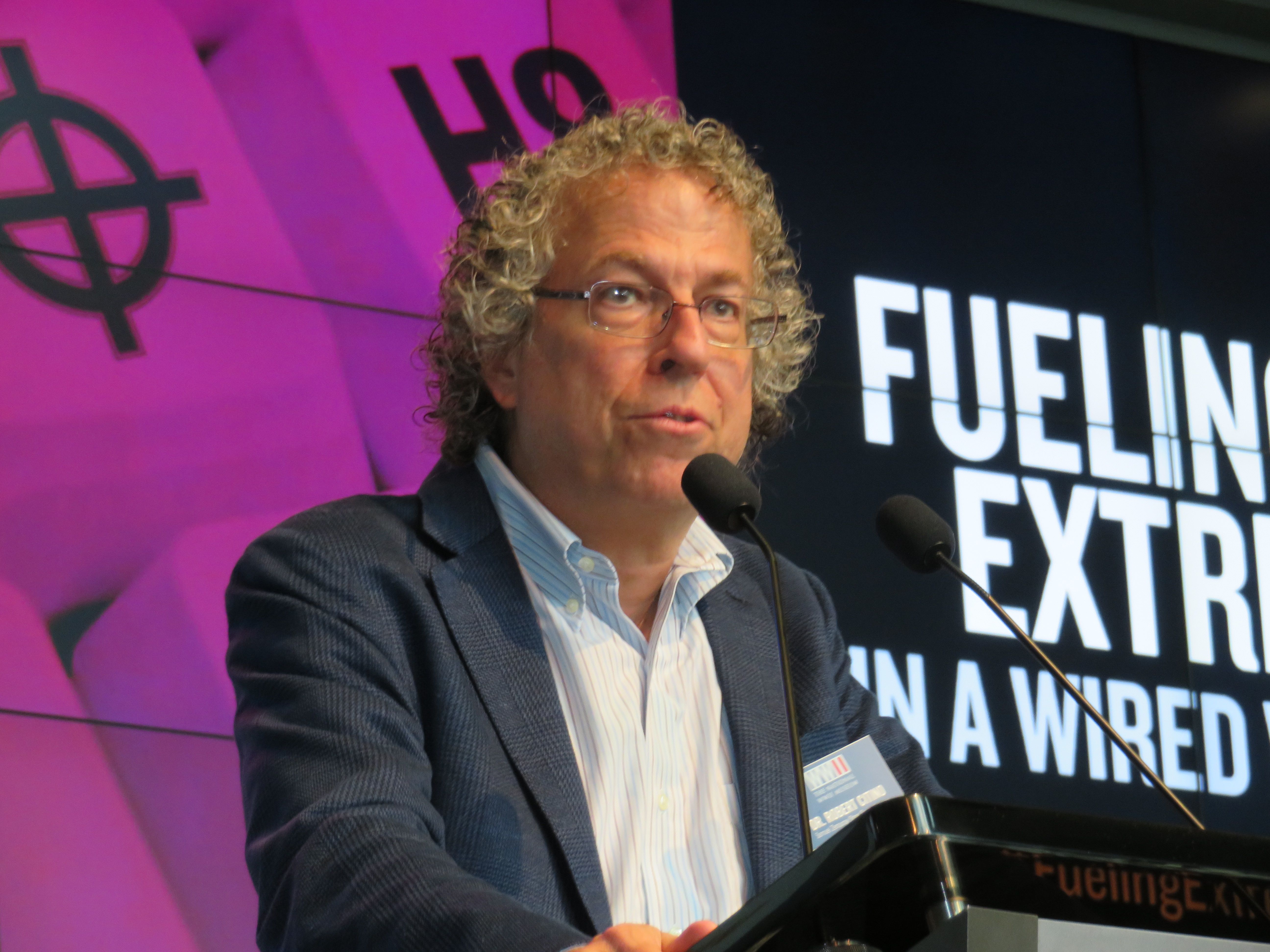
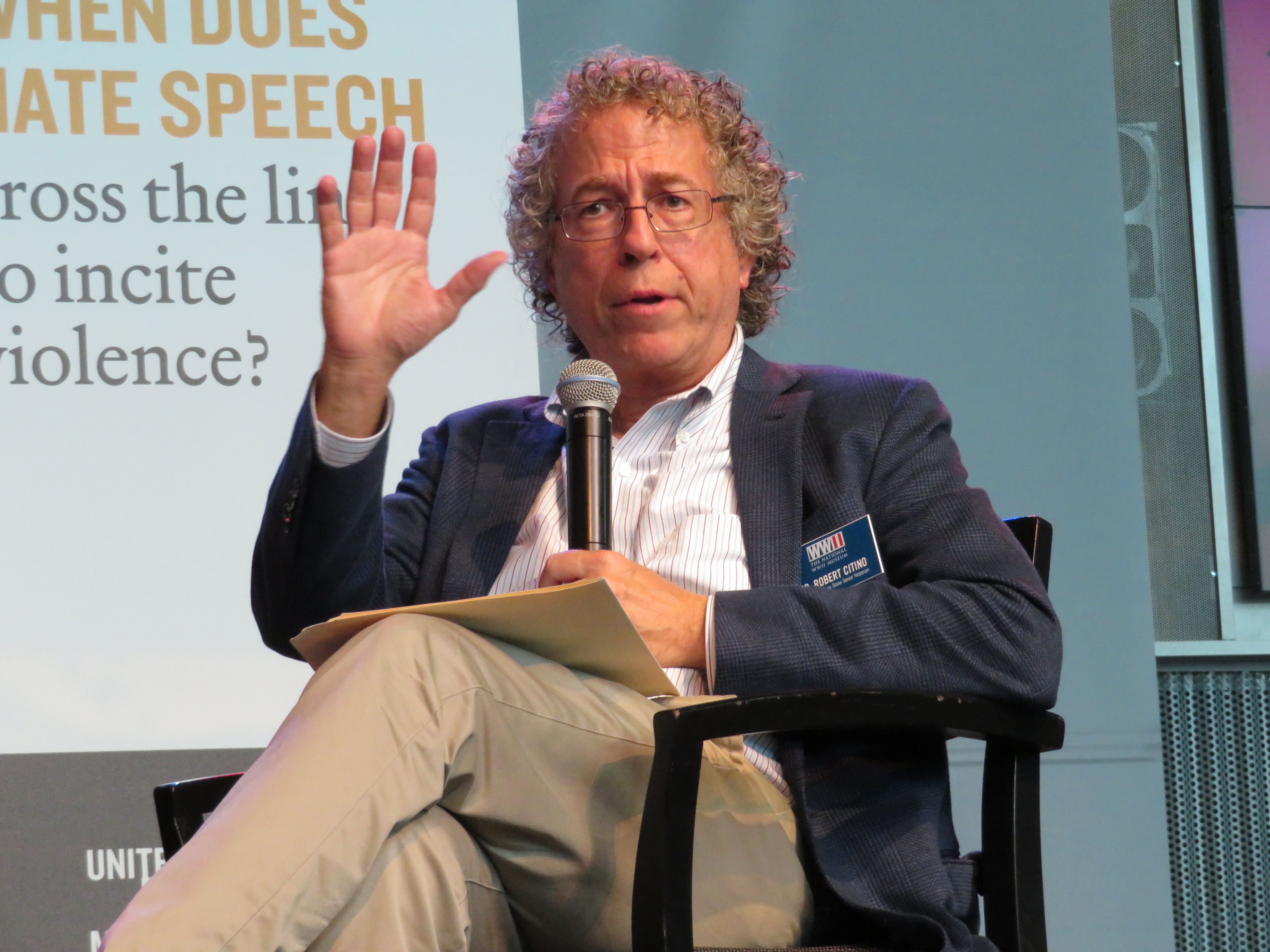
Robert Citino, the Samuel Zemurray Stone senior historian for the National WWII Museum, was the moderator.
Luckert began the evening’s discussion by pointing out how the Nazis were able to shape their political party’s message and sharpen their skills at delivering it through the most advanced media of their time; most notably newspapers, posters and radio.
In doing so, they made their message palatable to people at all social, economic and educational levels in what was Germany’s post-World War I Weimar Republic. In just a brief, four year span between 1928 and 1932, party membership grew rapidly from the radical fringes to the mainstream, capturing over 200 seats in the German parliament and hastening Hitler’s rise to full power in 1933.
Calling attention to an exhibit display of a black and white poster of Hitler staring directly ahead with just the single word, “Hitler,” on it, Luckert likened it to the American “Uncle Sam Wants You” poster that helped recruit soldiers for the armed forces. “The Nazis understood how advertising worked,” Luckert said.

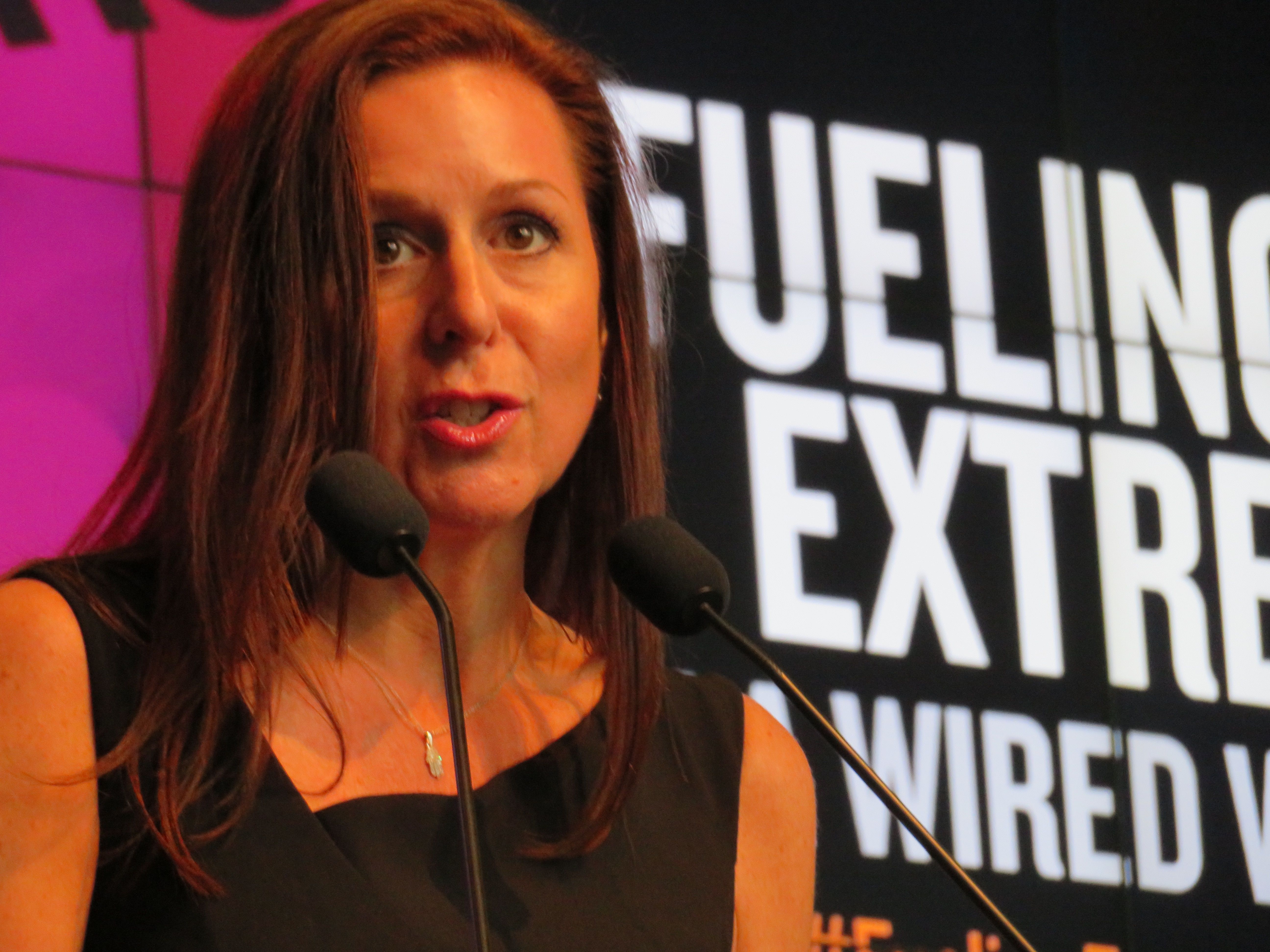
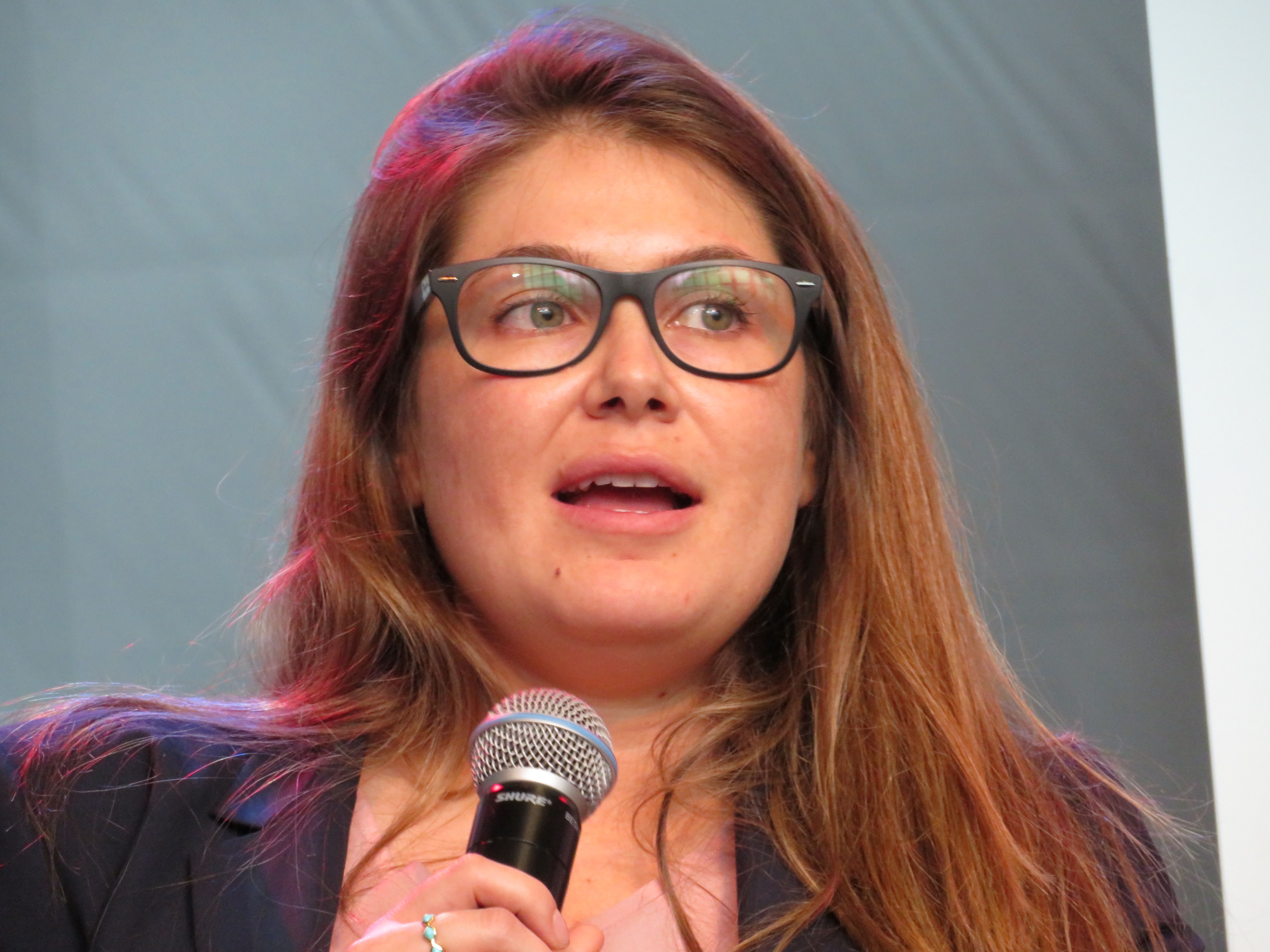
Social media expert Amanda Zimmer from Quantum Communications. (Photo by Alan Smason)
“They copied the successful advertising techniques of the U.S. and the West to their advantage. They knew that a stark, black and white poster with a man staring directly at his audience is what’s going to catch your eye and they were right about that,” Luckert added.
In their introductory remarks as the discussion continued, both Nimmer and Hammer expounded on the roles the internet and social media are playing in today’s world, vis-à-vis extremist groups getting their messages out to much wider audiences than was possible during the Nazi era.
Citing examples of how extremist organizations in the Middle East use digital means of getting their messages out, Nimmer said, “We’ve never seen anything like this before. Live social media allows people to get in touch online and then connect offline, something the other media cannot do with such immediacy.
“It also allows people living under enemy control to get their messages out and get real time feedback,” Nimmer continued. “It allows people to try out different techniques and approaches and see how they work. They can pick up on those things that work and drop those that don’t.”
Addressing one of the chief means of blocking what can be deemed to be offensive content – the blackout technique used in several European countries – Hammer said, “I don’t think it’s ever a good idea to set boundaries on what the media can or can’t do. Some media in countries like France self-impose blackouts to avoid the ‘glamorization’ of terrorism. But, from the media side, we’ve got to be careful not to glamorize the government’s side of it either. I don’t think the best interests of media are served by blackouts, even those that are self-imposed.”
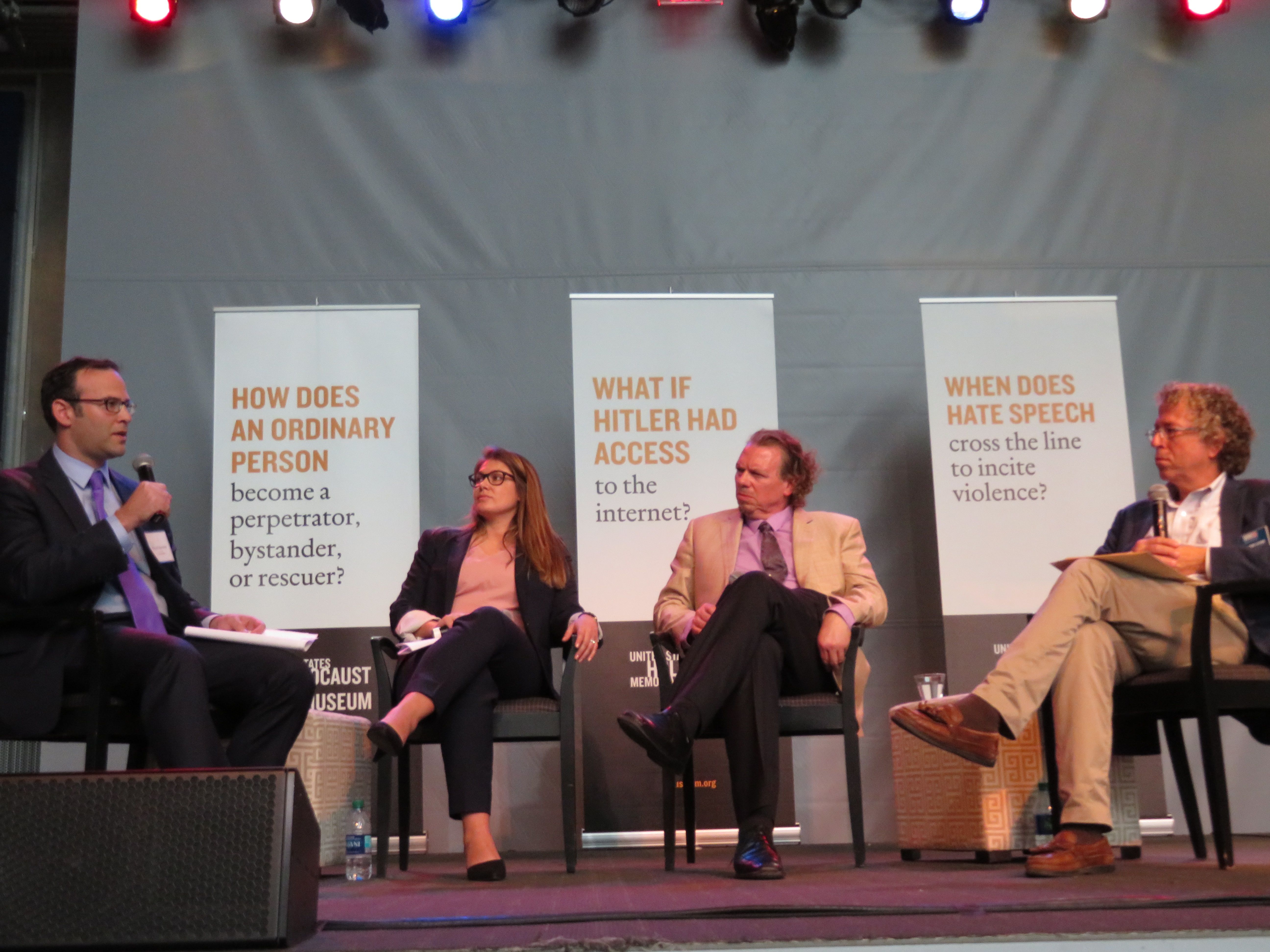
Panelists David Hammer, Amanda Zimmer, Steven Luckert and moderator Robert Citino. (Photo by Alan Smason)
Media coverage in the past, as well as the present, has been suppressed so as not to cause alarm or panic, Hammer added, “But I consider it (to be) journalistically improper. The problem of social media today is that everybody is in the media, as opposed to just a handful of newspapers or radio stations as in past years. And it’s this democratization of the news that sacrifices journalistic integrity.”
These remarks were followed by a lengthy discussion of how much more prevalent factual errors are in today’s online media (including Wikipedia) than they were in the past with newspapers and TV news.
Bringing the discussion back to the central topic of how the Nazis used the media to spread their propaganda, all three panelists noted how similar many of the messages of Middle Eastern extremist groups are to those of their predecessors from 70-80 years ago.
“The message is tailored toward Muslims that they should join this caliphate that is blind to color, race, nationality, etc.,” Luckert said. “This was something the Nazis used, also, especially in the beginning. Creating this community that is bringing people together.”
Hammer added, “This was part of Hitler’s appeal as well in the beginning; that they’re advocating peace,” after just coming out of World War I. “He used this theme, rather than war, to try and solidify his support. No politician of the 1930s used the word ‘peace’ more often. He played that card very well in his speeches.”
Adding to Hammer’s observations, Luckert said, “It doesn’t look good to be advocating going back to war, even while re-arming the nation.” He noted that Hitler justified the rearmament of Germany by stoking fear that the nations around them posed the threats to national security; not the other way around. “This was something Hitler understood very well: how to assume the high moral ground.”
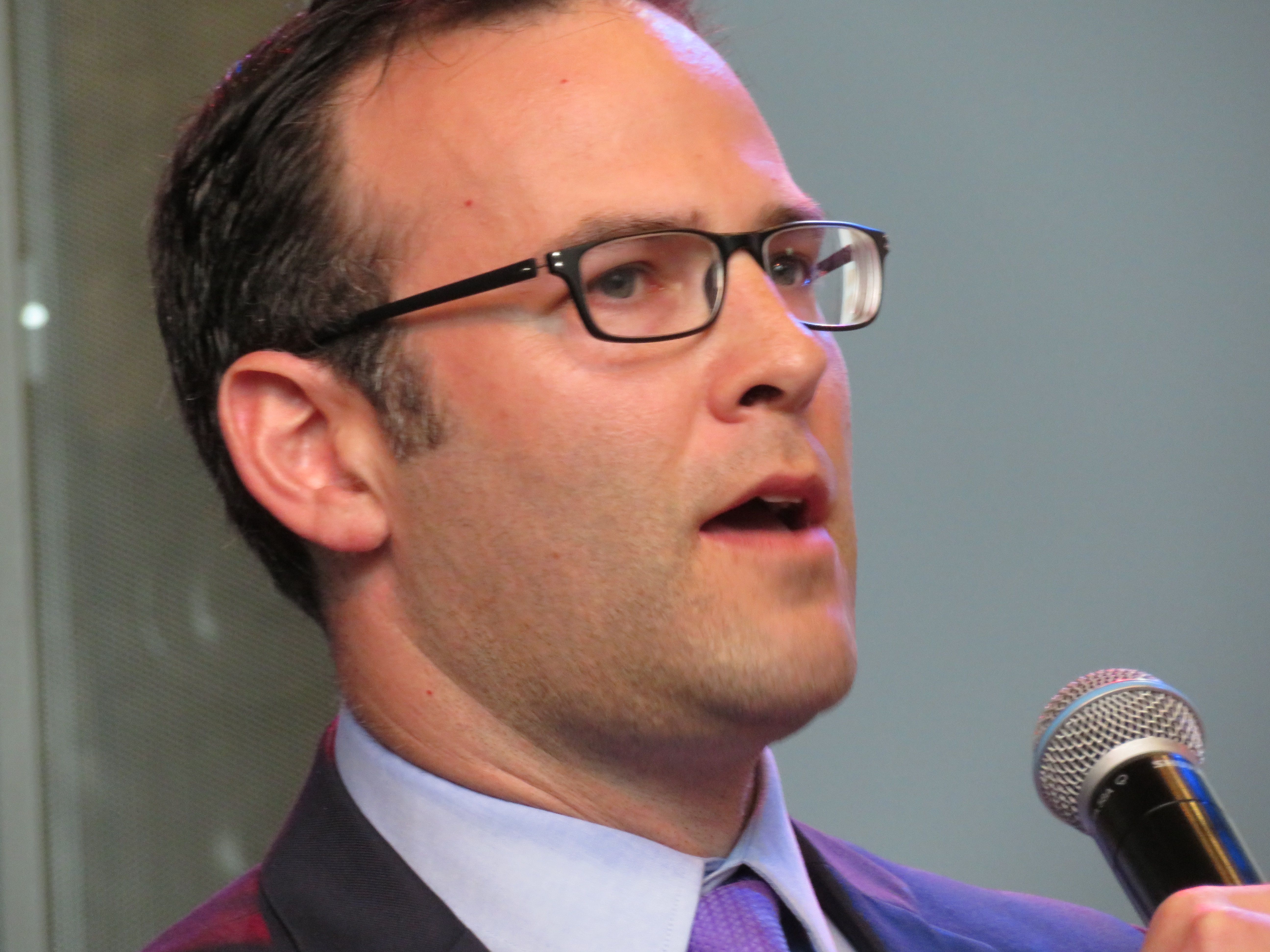
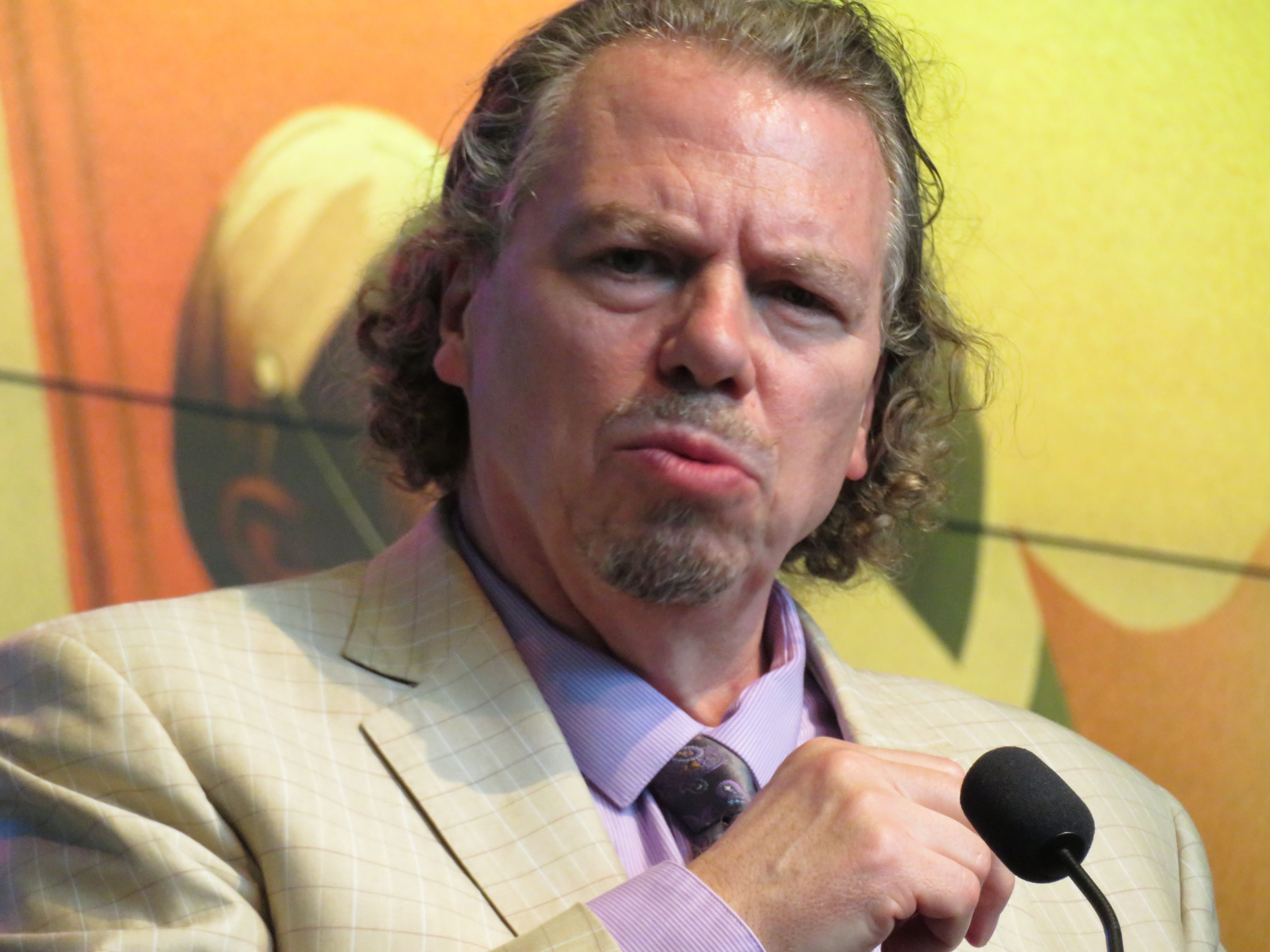
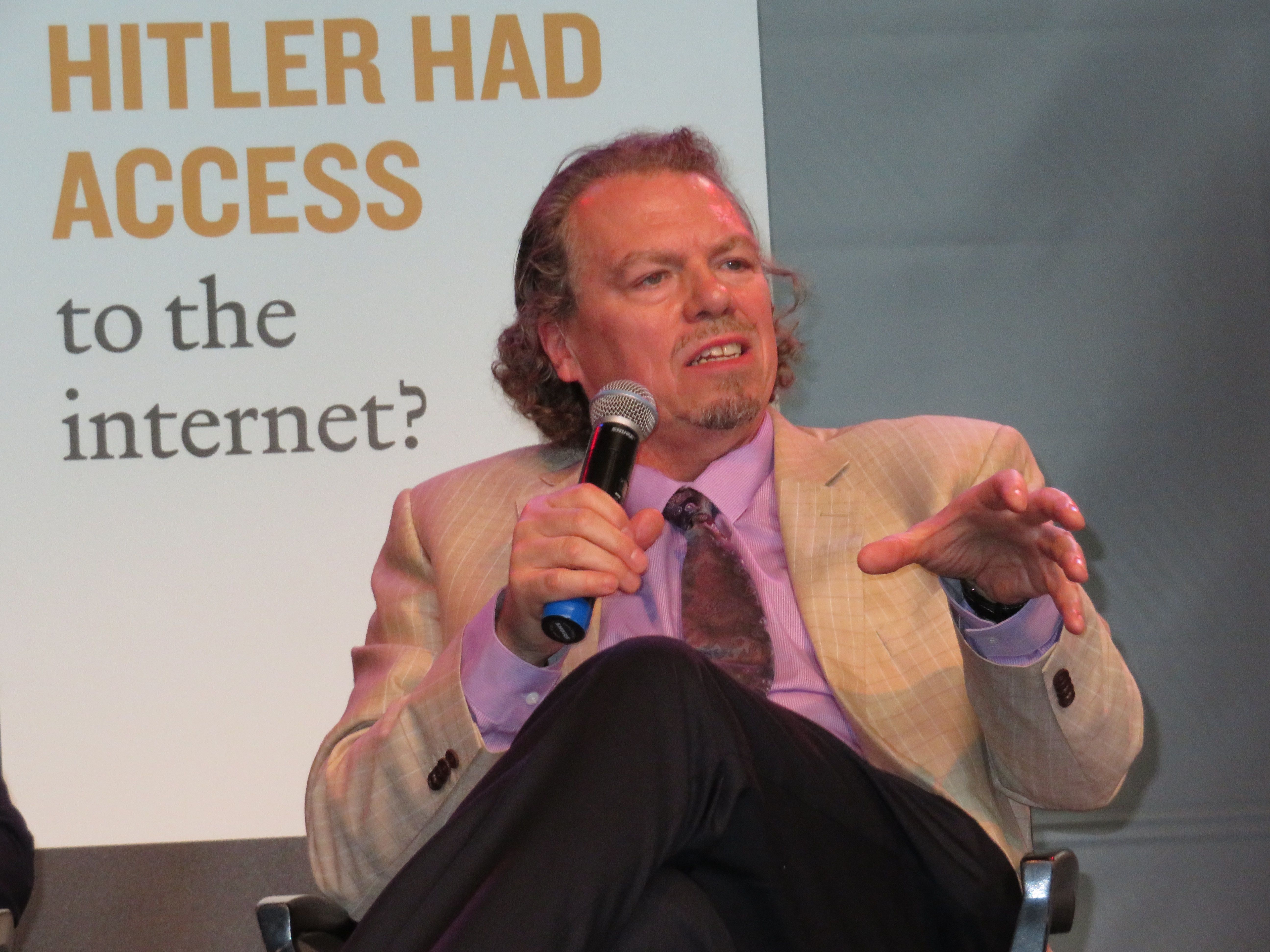
WWL-TV’s David Hammer. (Photo by Alan Smason)
Wrapping up the discussion, Luckert discussed specifics on how the Nazis were able to gain control of the newspapers in Germany and thus control the messages that went out to the people there.
“Before 1933, Germany had an extremely literate population,” Luckert said. “It had 4,700 different newspapers; more than England, France and Italy combined. In 1933 Nazis only controlled three percent of the total newspaper circulation. During their attacks on the other papers, Nazis would say ‘They’re controlled by the Jews (and) not fair in their treatment of the Nazi Party.’
“But they also knew that they needed to get into the mainstream media,” Luckert continued. “They had to go beyond their own (party publications) which had much smaller circulation.” They did this, he noted, by infiltrating the mainstream press and getting them to carry some of their ideas and ideologies. For example, they cited high numbers of people who came to their rallies, and they got that information disseminated in such a way as to give them more credibility and a higher measure of popular acceptance.
Luckert also explained that when the Nazis came into power they began issuing directives to the press, telling them what stories were going to be printed and how they would be angled, etc. They held individual writers and editors personally responsible if these directives were not carried out as demanded. Punishments – usually firings – were meted out to those who failed to toe the party line. The party also controlled the process of approving credentials for those who wanted to become or continue on as journalists.
“This process eliminated Jews from consideration. And so they (the Nazis) controlled both the personnel and the content that went out in the newspapers,” Luckert said.
Numerous examples of newspapers, posters and other visual and aural media biased against and openly calling for retribution against Jews are displayed in the exhibit. It is temporarily housed on the second floor of the World War II’s main building, fronting on Andrew Higgins Drive between Camp and Magazine streets.
The exhibit will run through June 18. For visiting hours and other information call the museum at (504) 528-1944.