Community-Wide Holocaust Memorial Program honors last two Holocaust survivors
By ALAN SMASON
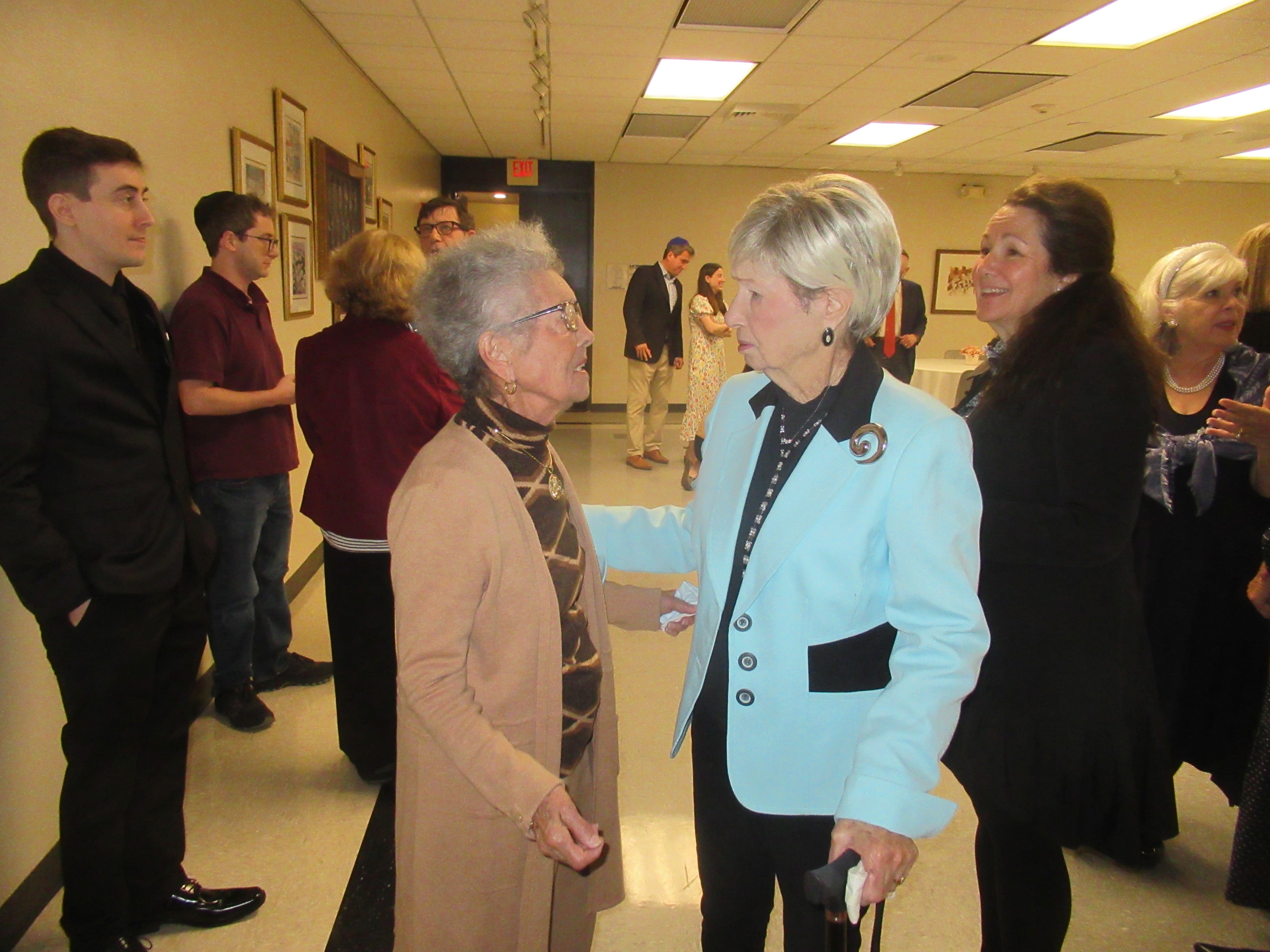
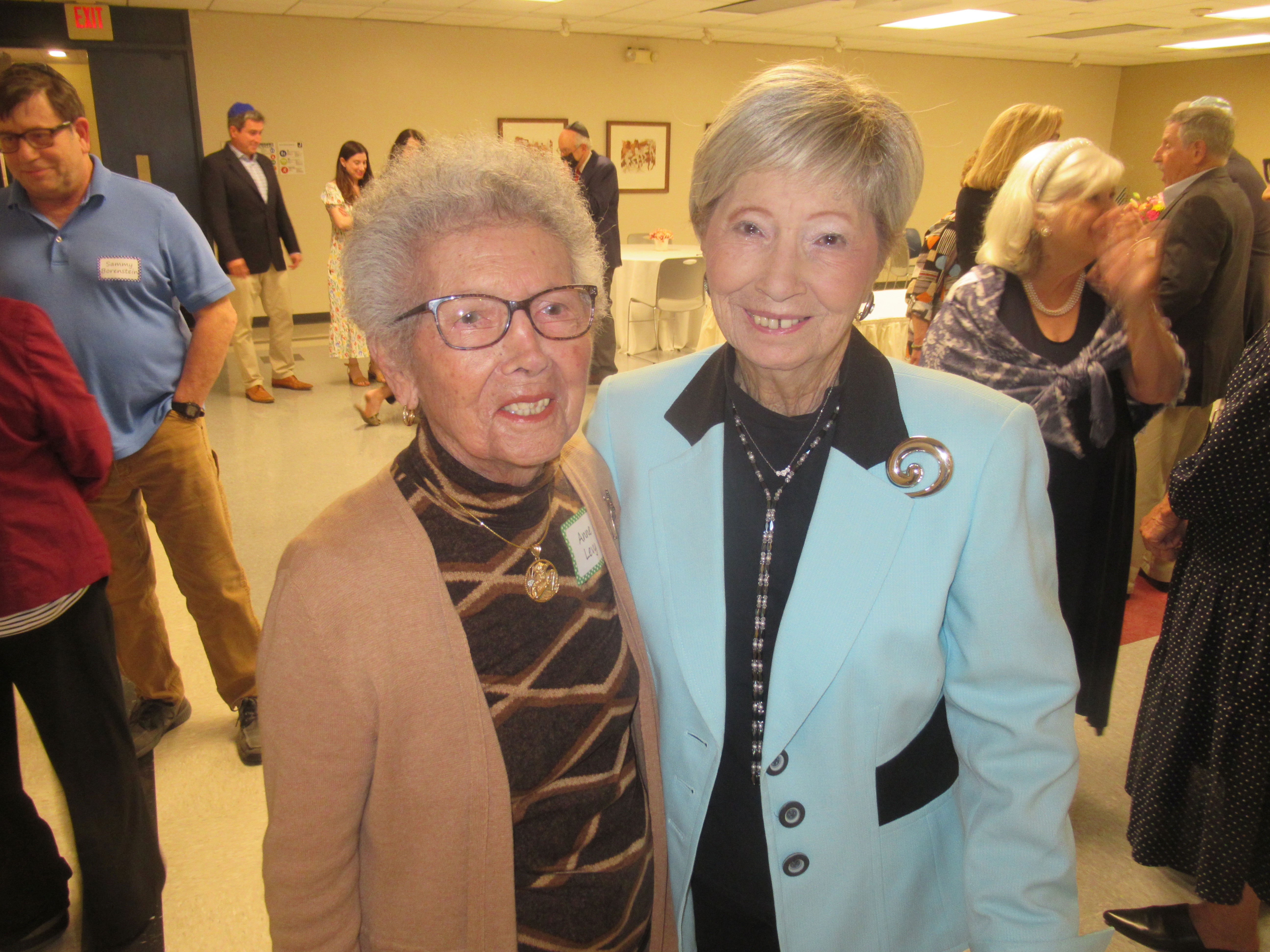
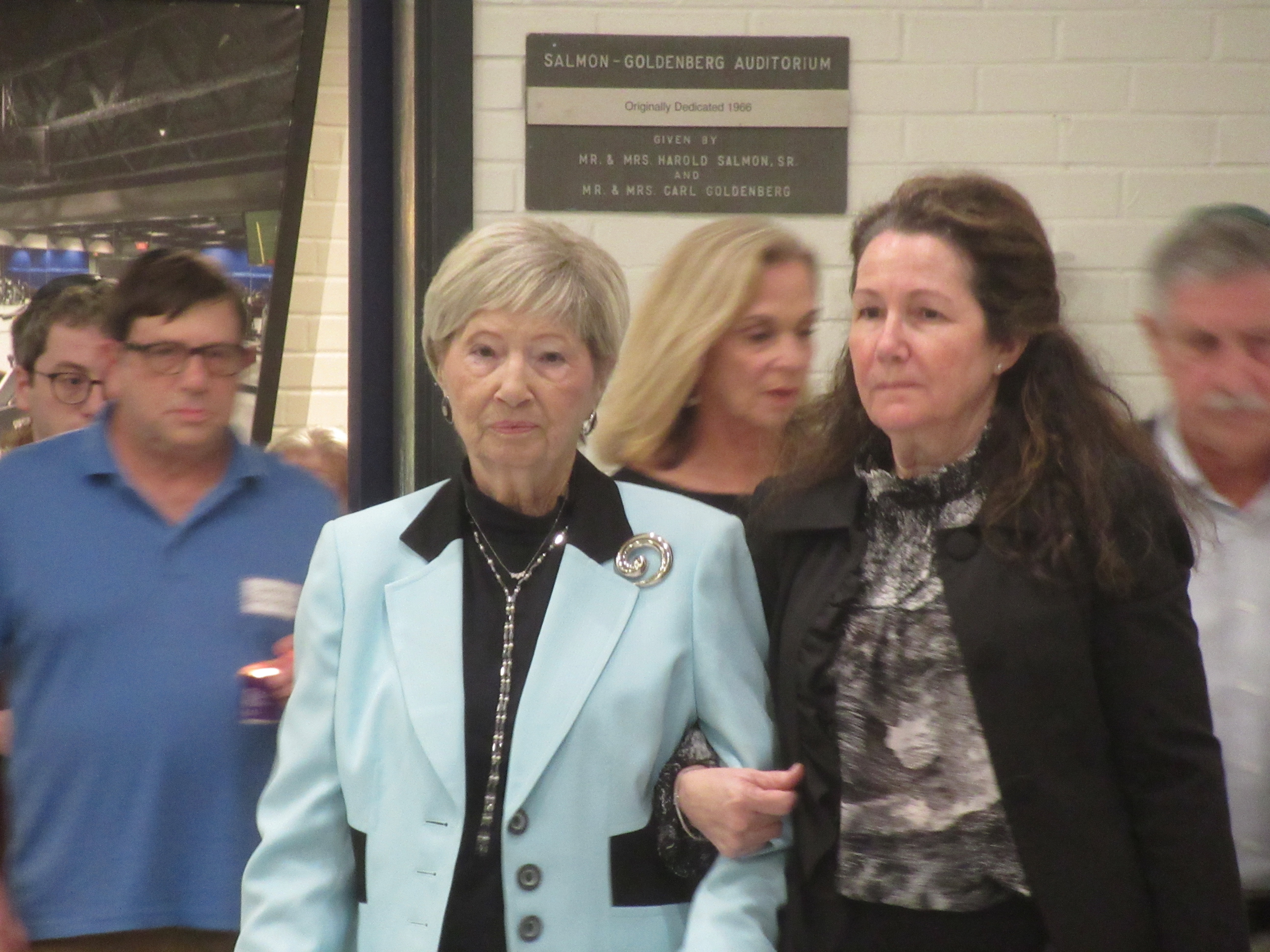
The annual Community-Wide Holocaust Memorial Program honored the two remaining Holocaust survivors, sisters Anne Skorecki Levy and Lila Skorecki Millen. Both Levy and Millen led the Procession of the Survivors on Sunday night, April 16, with Levy and Millen accompanied by family members.

Remaining New Orleans area Holocaust survivors sisters Anne Skorecki, Levy, left, and Lila Skorecki Millen. (Photo by Alan Smason)
The program was back at the Uptown Jewish Community Center on St. Charles Avenue following two years of no gatherings due to the COVID pandemic and the event being held in Metairie last year at Congregation Gates of Prayer.
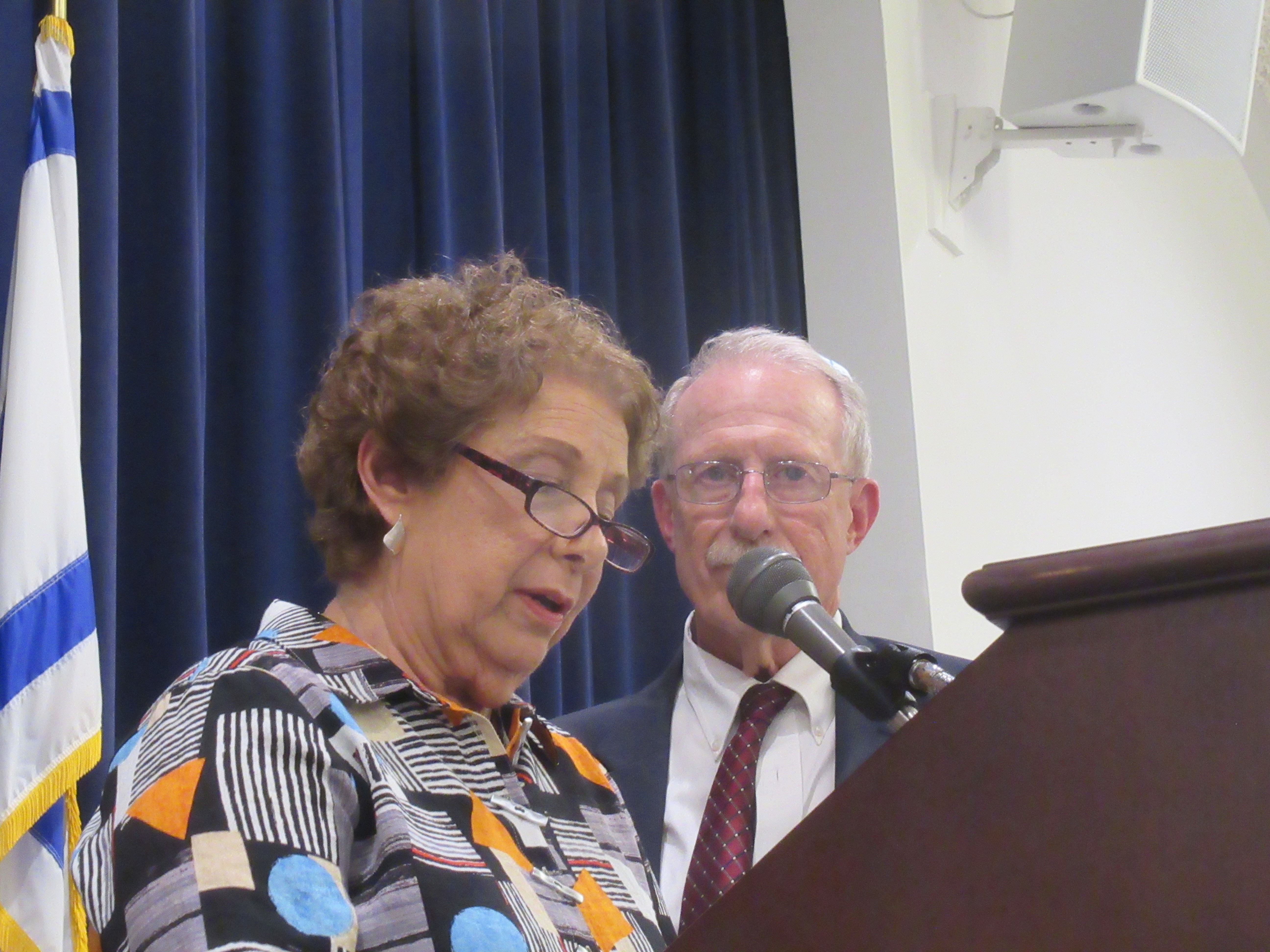
Renée Zack, the chair for the program, served as the emcee for the night. She was joined on the platform by 2022 chair Betty Lazarus.
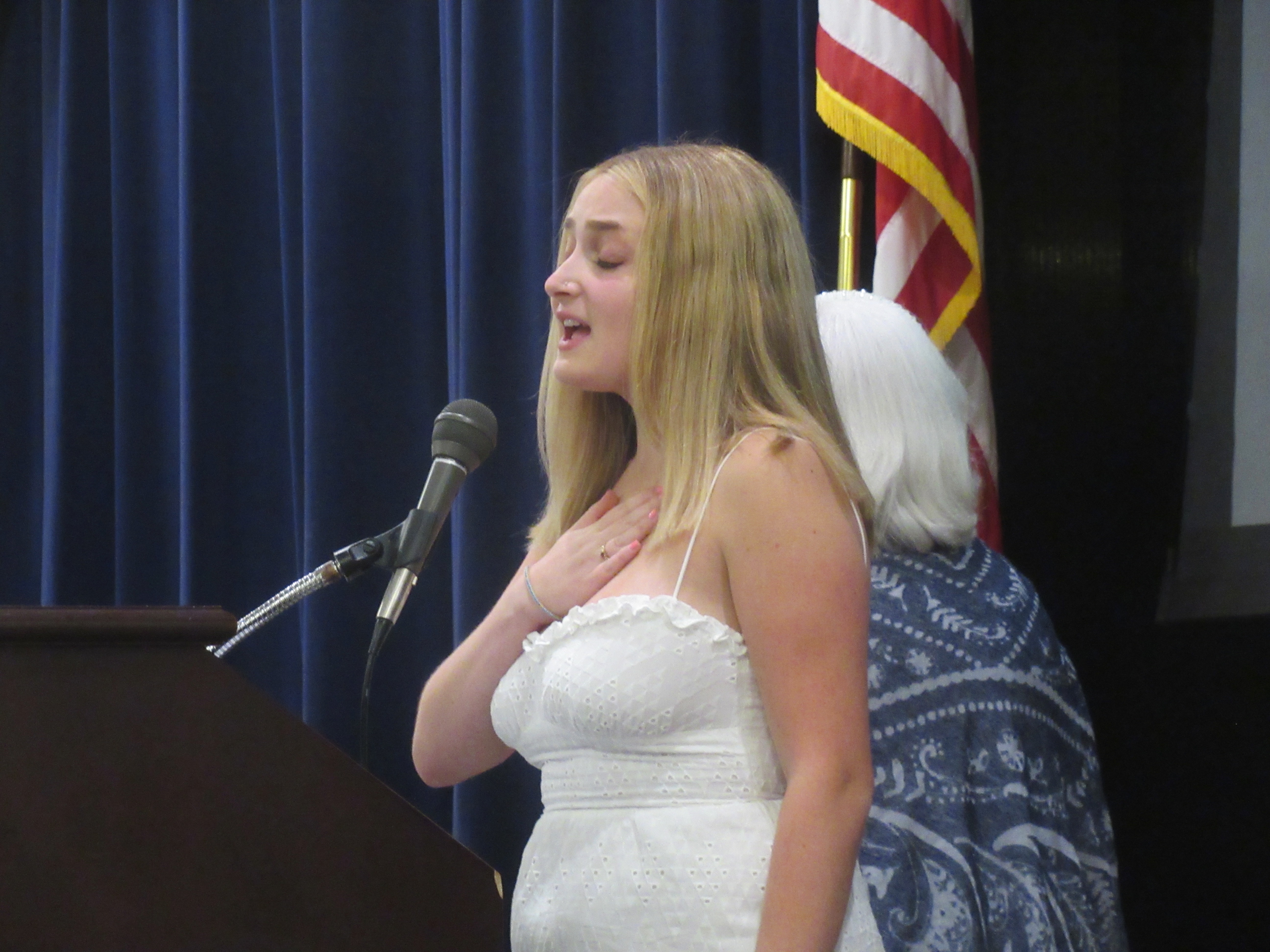
Following an opening prayer by Touro Synagogue Senior Rabbi Katie Bauman, Tulane student Nora Feinberg led the crowd in the singing of “The Star Spangled Banner” and “Hatikvah.”
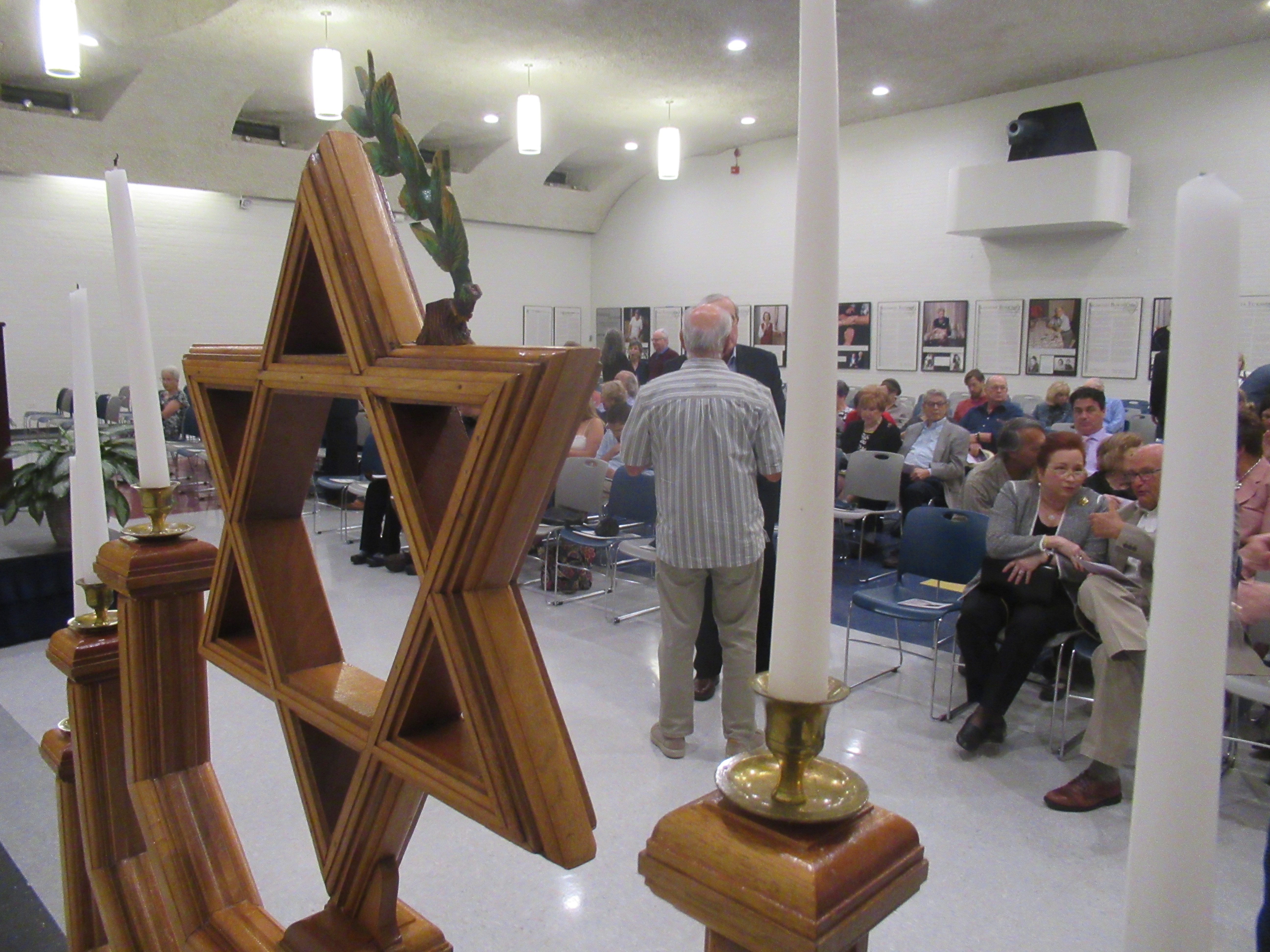
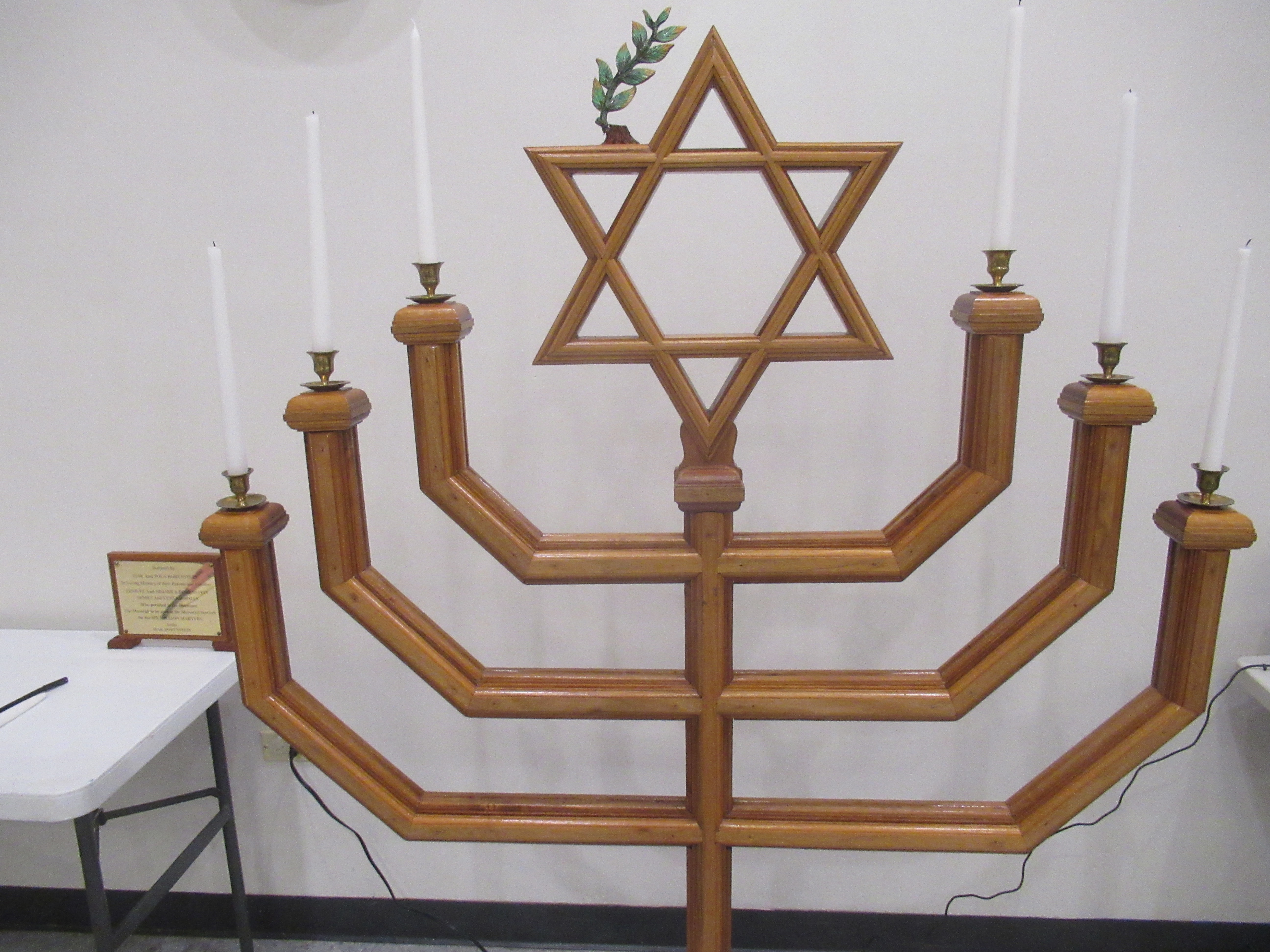
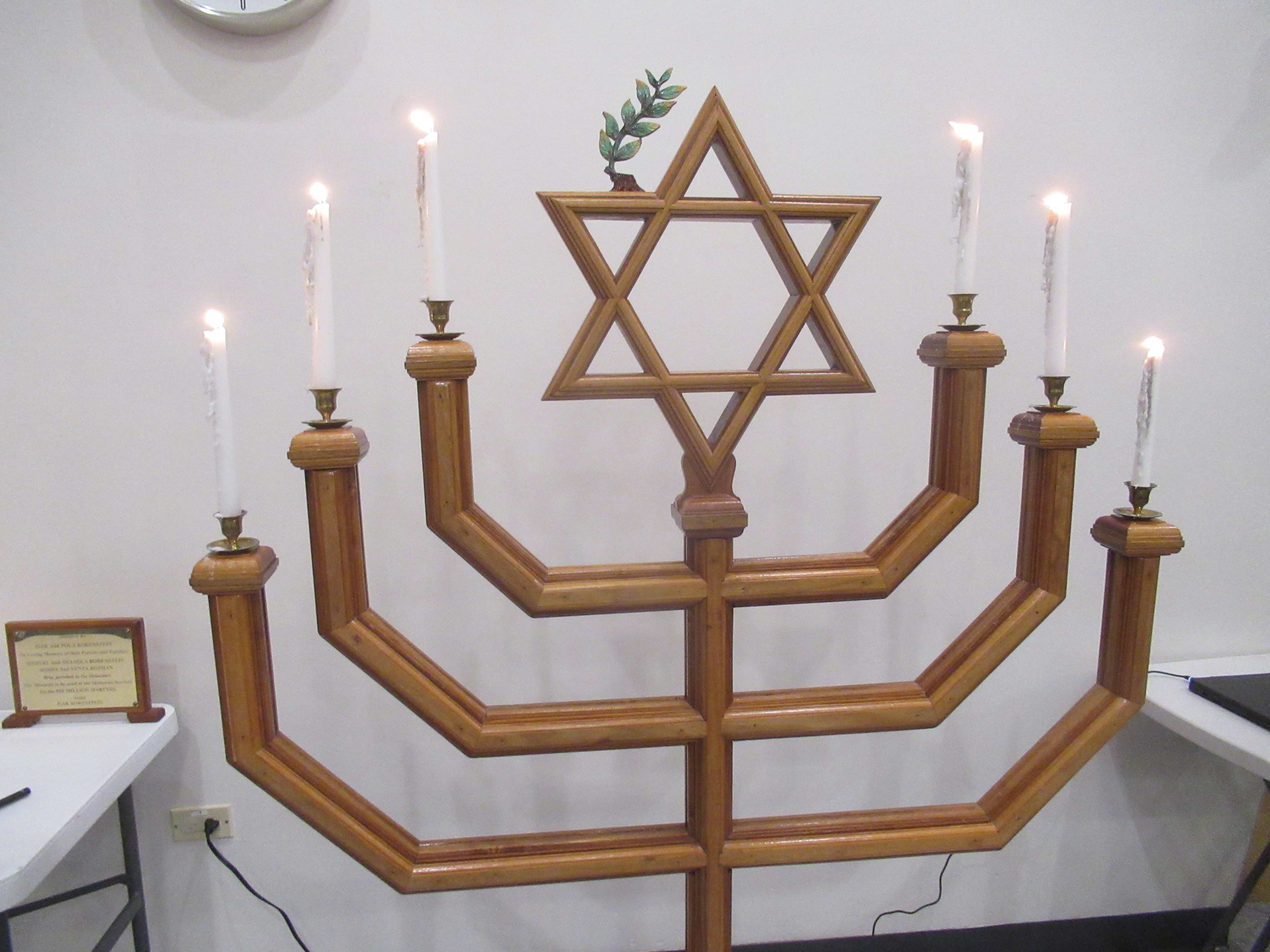
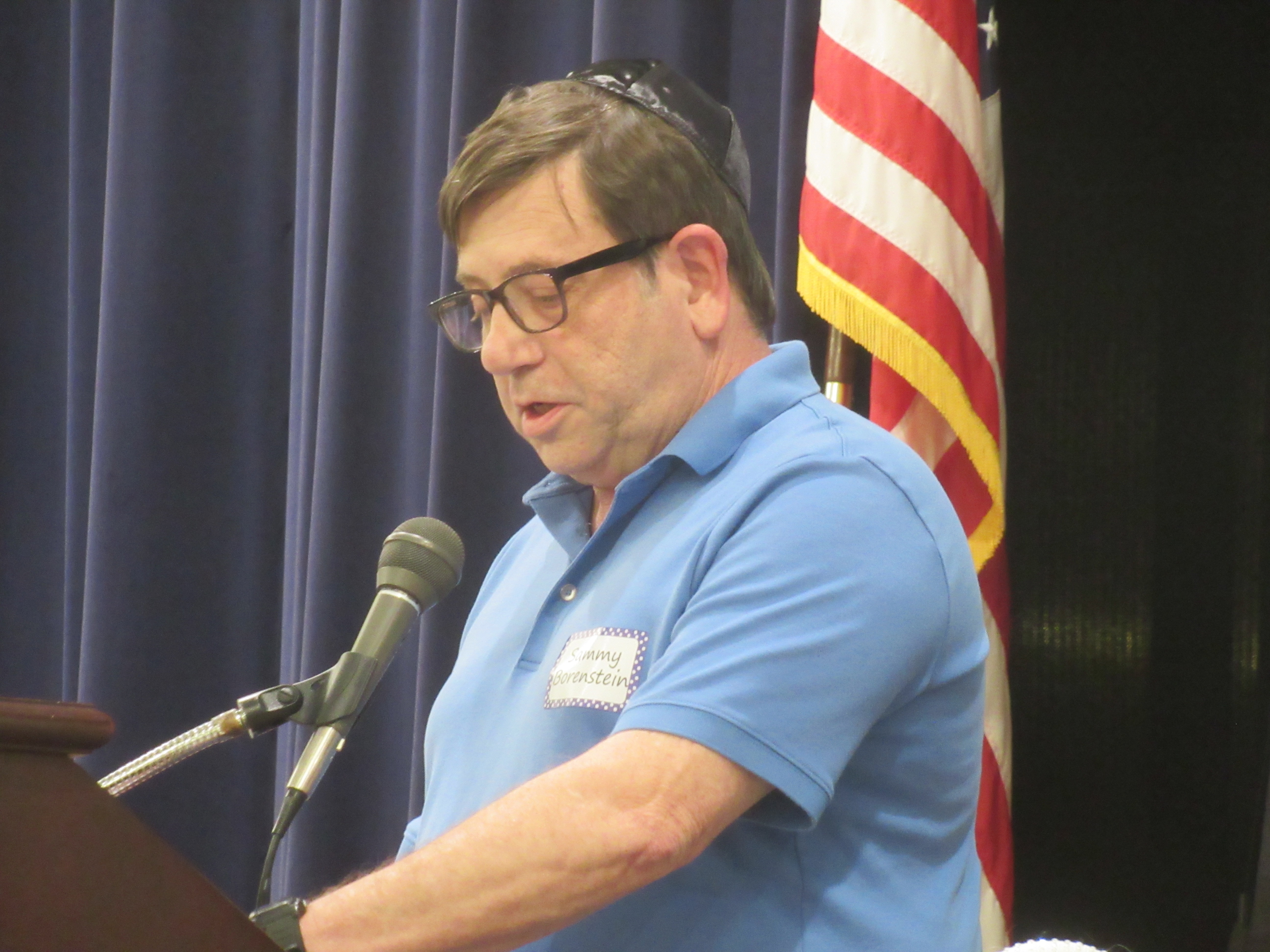
Sammy Borenstein, whose father Isak Borenstein of blessed memory crafted the large wooden memorial menorah with six tiers to represent the six millions souls lost during the Shoah, introduced the keynote speaker and author professor James Waller, Ph.D, of Keene State College in New Hampshire.
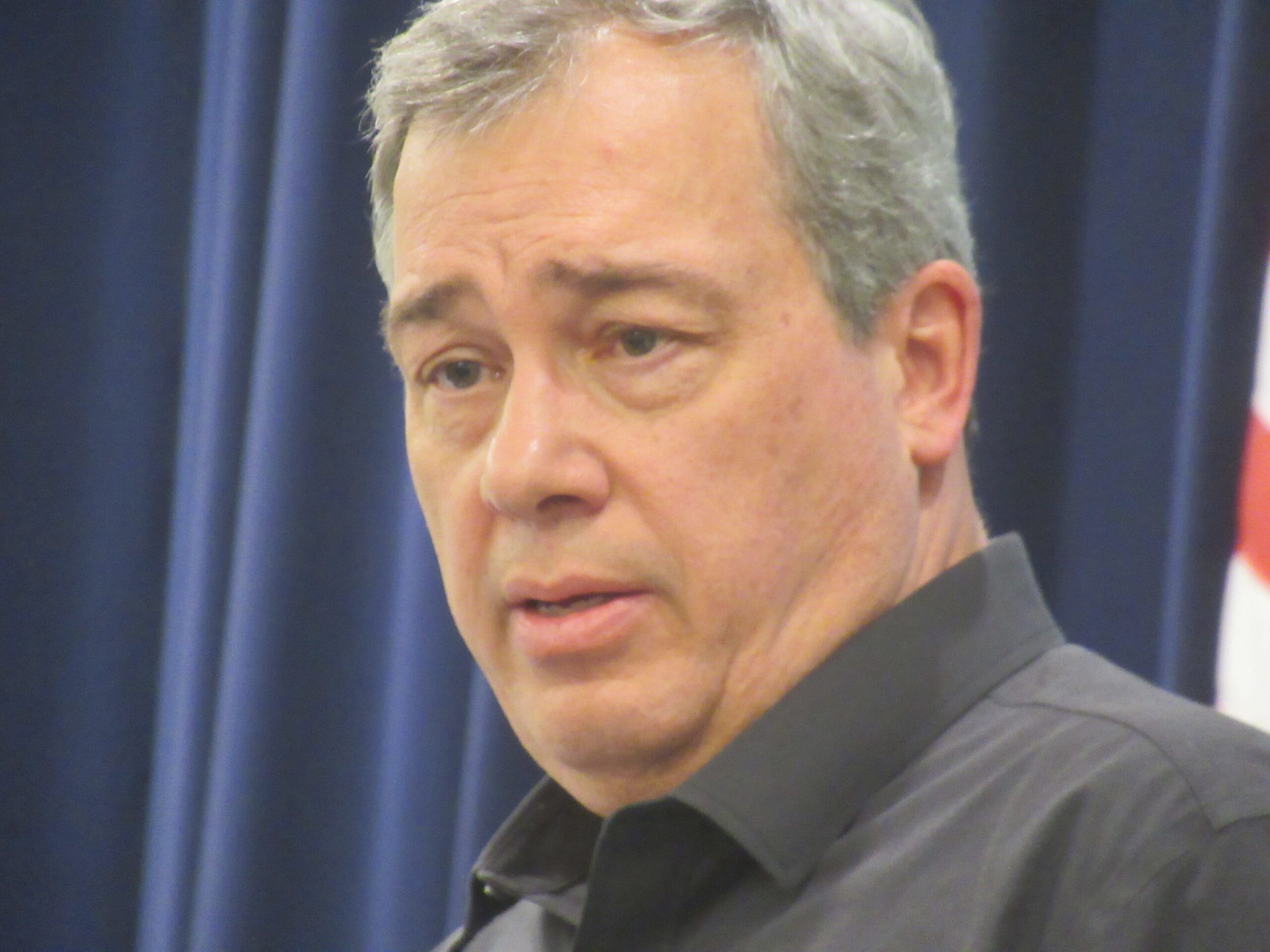
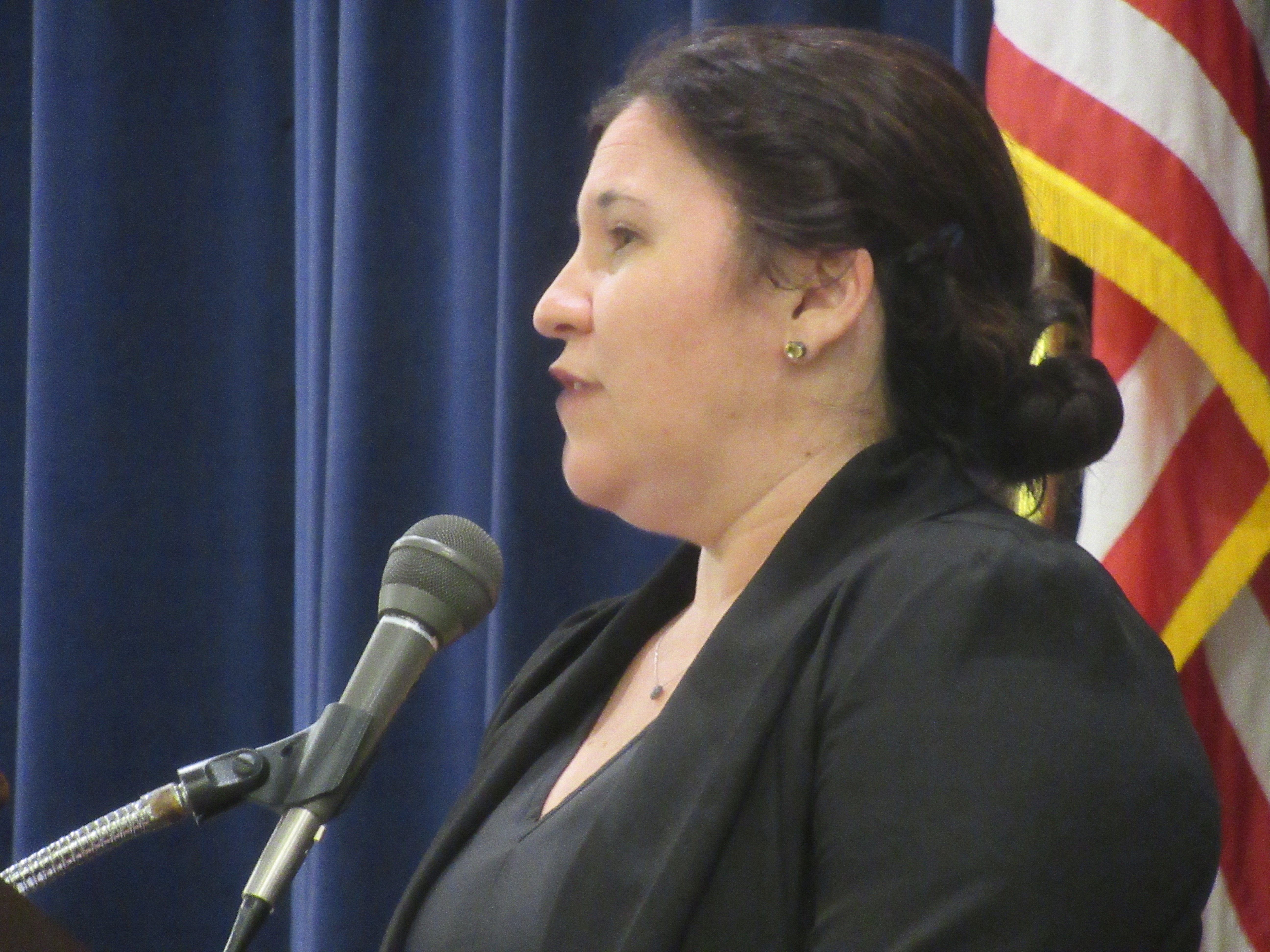
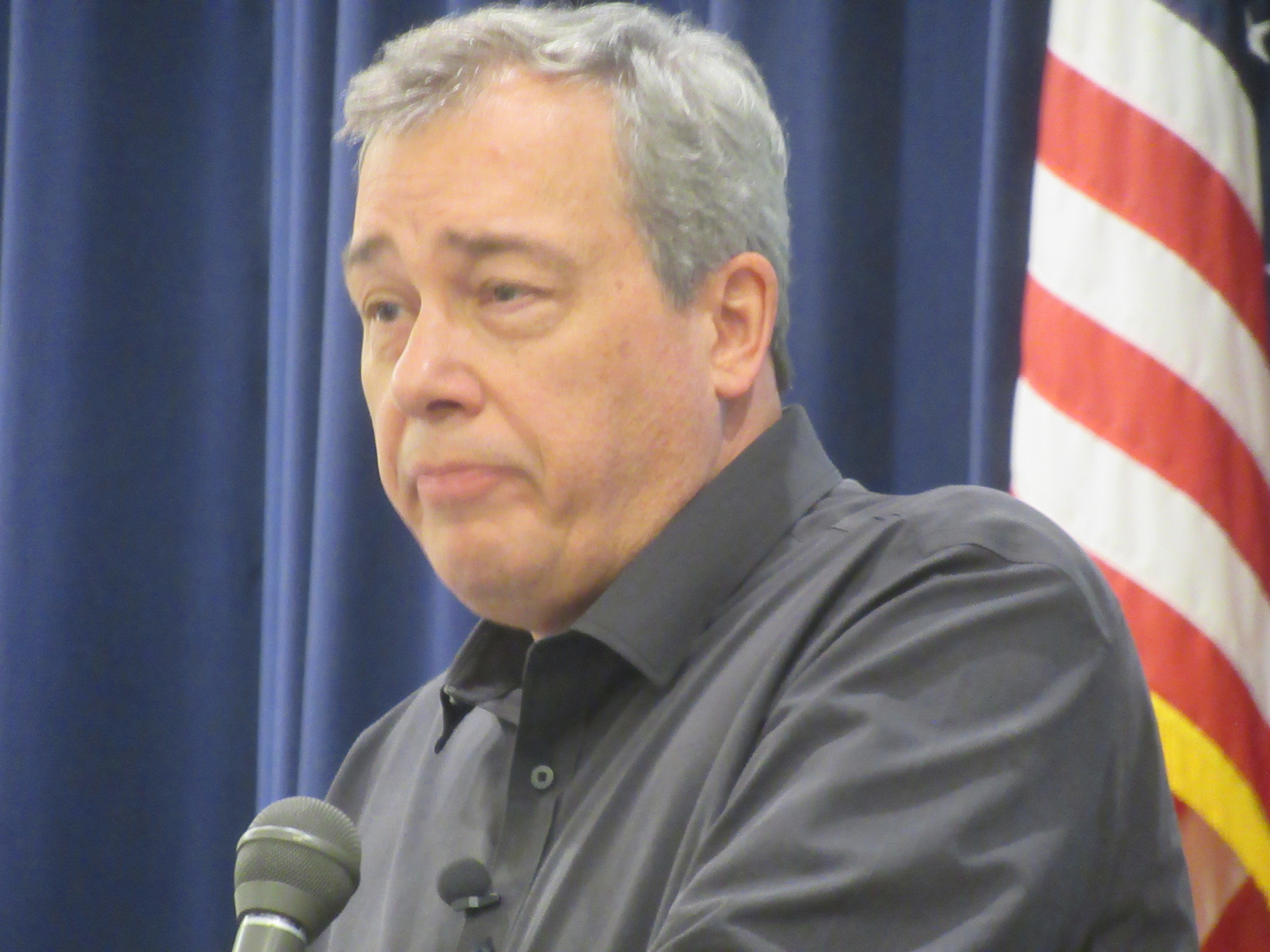
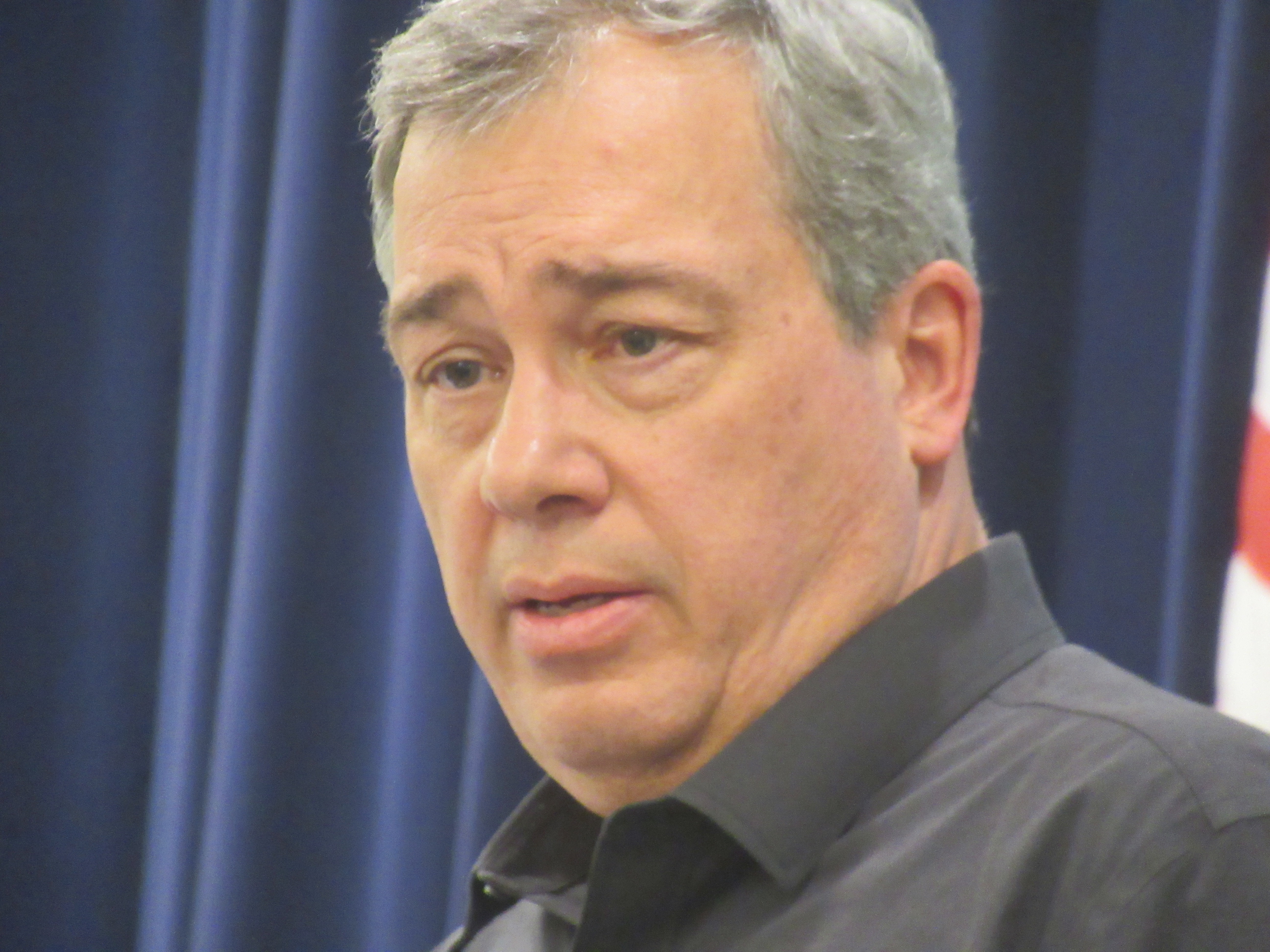
Keynote speaker and author James Waller, Ph.D. (Photo by Alan Smason)
Waller, whose recent book in its second printing is “Becoming Evil: How Ordinary People Commit Genocide and Mass Killing,” began by showing a rare silent film of the deadly Einsatzgruppen troops responsible for the deaths of 1.5 million individuals – 1.3 million of whom were Jews – between 1941 and 1943. Waller, who apologized for having to show the film, felt it was necessary to document the fact that the largest amount of killing was accomplished by rank and file Nazis with dozens of bystanders who did nothing to stop it.
“Why did the Nazis stop that process of killing?” Waller asked rhetorically. “They stopped it because, according to (Reichsführer-SS Heinrich) Himmler, they had to find a more humane way of killing. But all you need to know about Nazi ideology, is when Himmler said that we have to find a more humane way of killing, it had nothing to do with the victims. He didn’t care how the victims were bing killed. It had to do with the perpetrators.”
According to Waller, Himmler admitted that kind of repetitive killing directly in front of the murderers was too hard on the perpetrators.
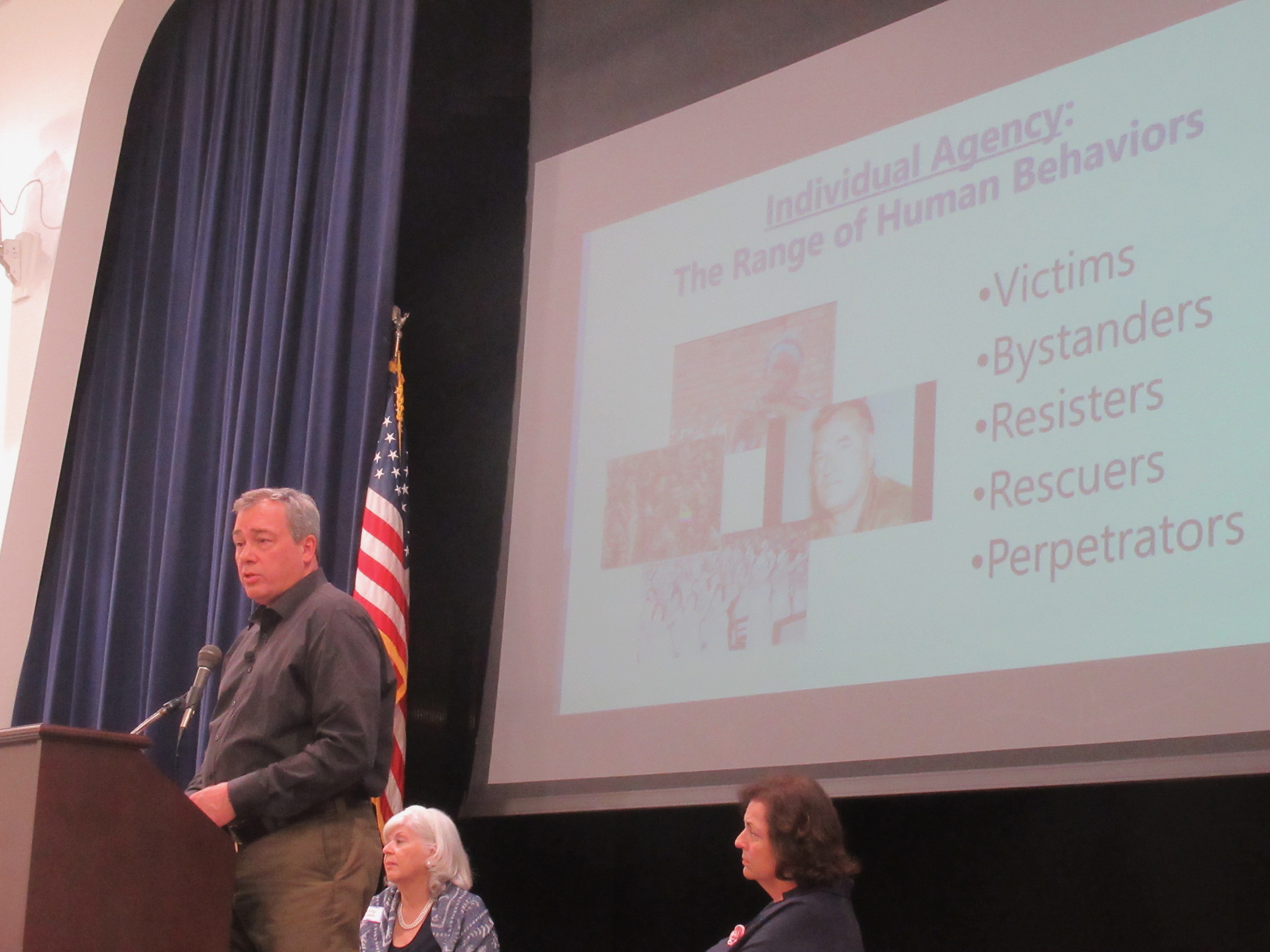
The movie clip taken in Latvia showed the three major groups involved in the genocide: the victims, the perpetrators and the bystanders, who Waller claimed is the largest of the three.
“There are resisters and rescuers,” Waller continued. “If we had enough resisters and rescuers, we don’t have to have nights like this; we don’t have to have commemorations like this.”
Over the past 30 years, Waller said, he has worked with thousands of pages of archives from the Holocaust and personally conducted more than 225 interviews with perpetrators charged with war crimes, crimes against humanity and genocide.

Author James Waller at 2023 Holocaust Memorial with slide behind him. (Photo by Alan Smason)
“I spent my career trying to understand the men and women who actually carried out the policies of destruction, the policies of killing,” he said.
In the case of the Holocaust, such as at the Nuremberg Trials, Waller explained, the Allies went after the architects of the killing. Most of the rank and file killers – Waller estimated their number at 500,000 Germans, Austrian, Lithuanians, Ukrainians etc. – escaped prosecution, he said.
In Rwanda in the early 1990s, over 800,000 people were killed in a genocide – what he called “a frenzy of killing” – in Rwanda, a country the size of Vermont over the course of a 100-day period. Waller estimated the number of of killers at close to 270,000.
“In Bosnia-Herzegovina judges tell me that we had close to 30,000 Bosniaks, Croats, Serbs, who should be brought to justice, but probably never will be,” he continued.&
Waller’s research indicates that no one died from refusing to kill someone during the Holocaust. “But in their mind, if they didn’t kill, they thought they would be put to death; they thought their family would be put to death,” he noted.

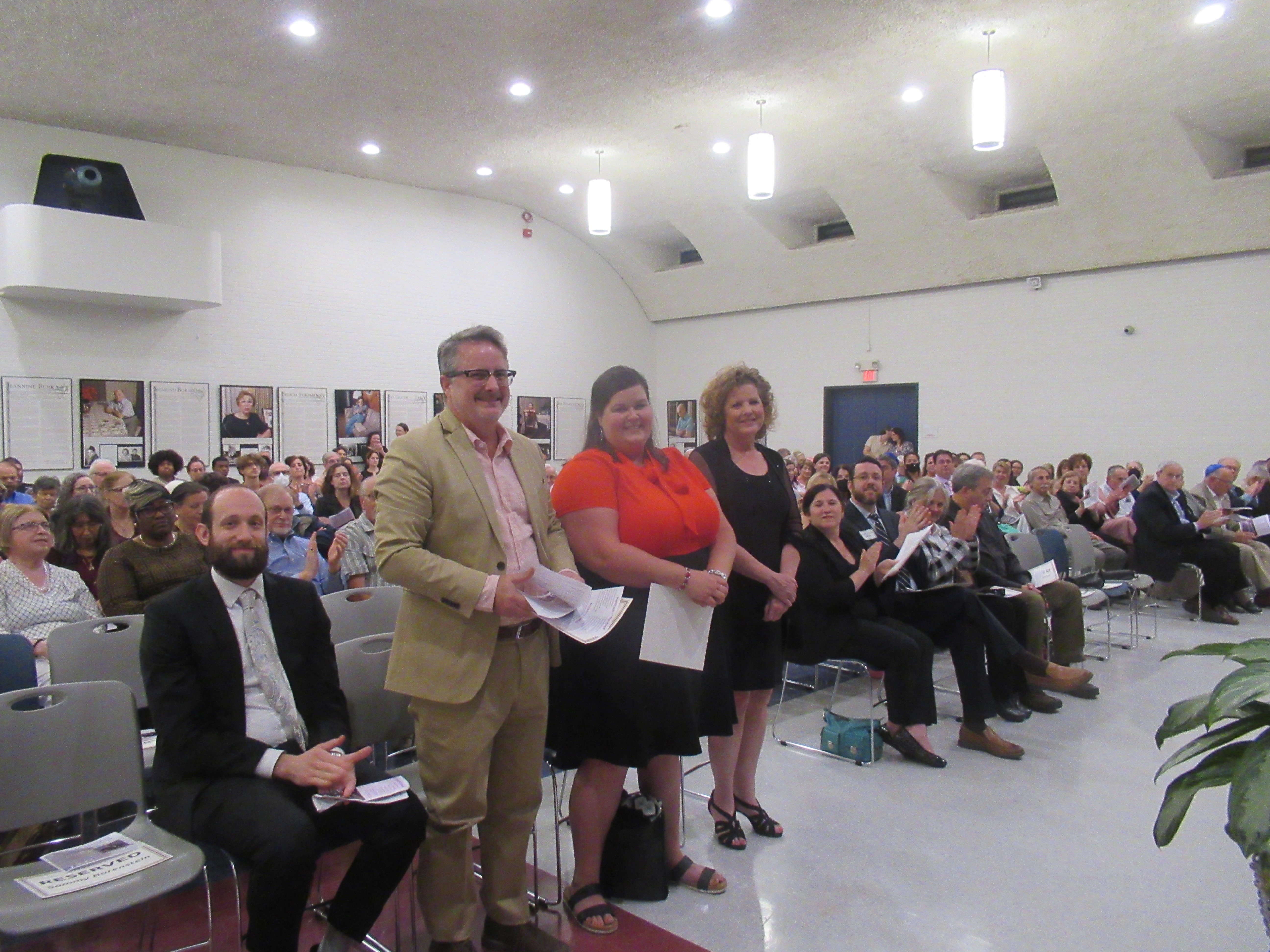
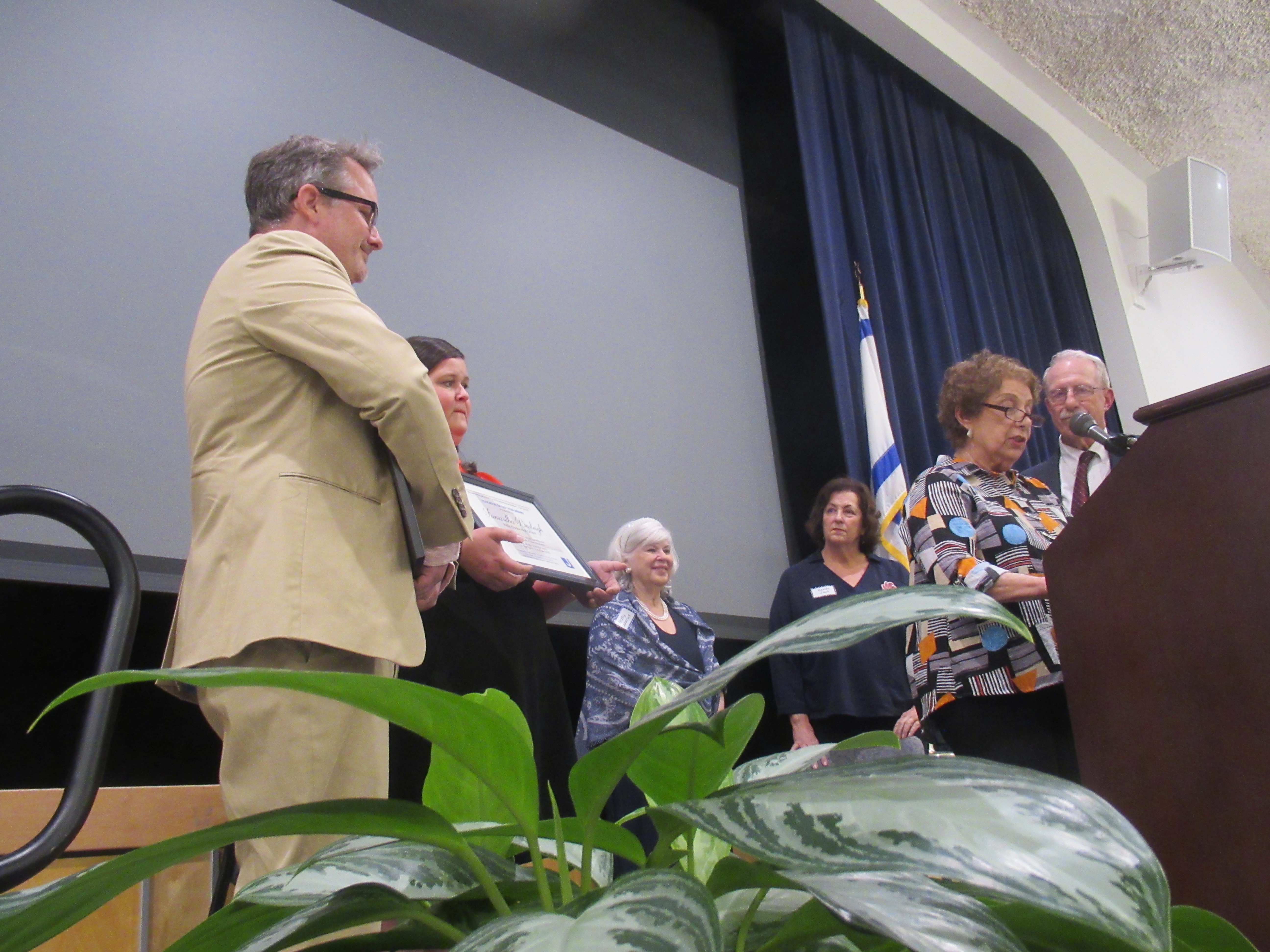
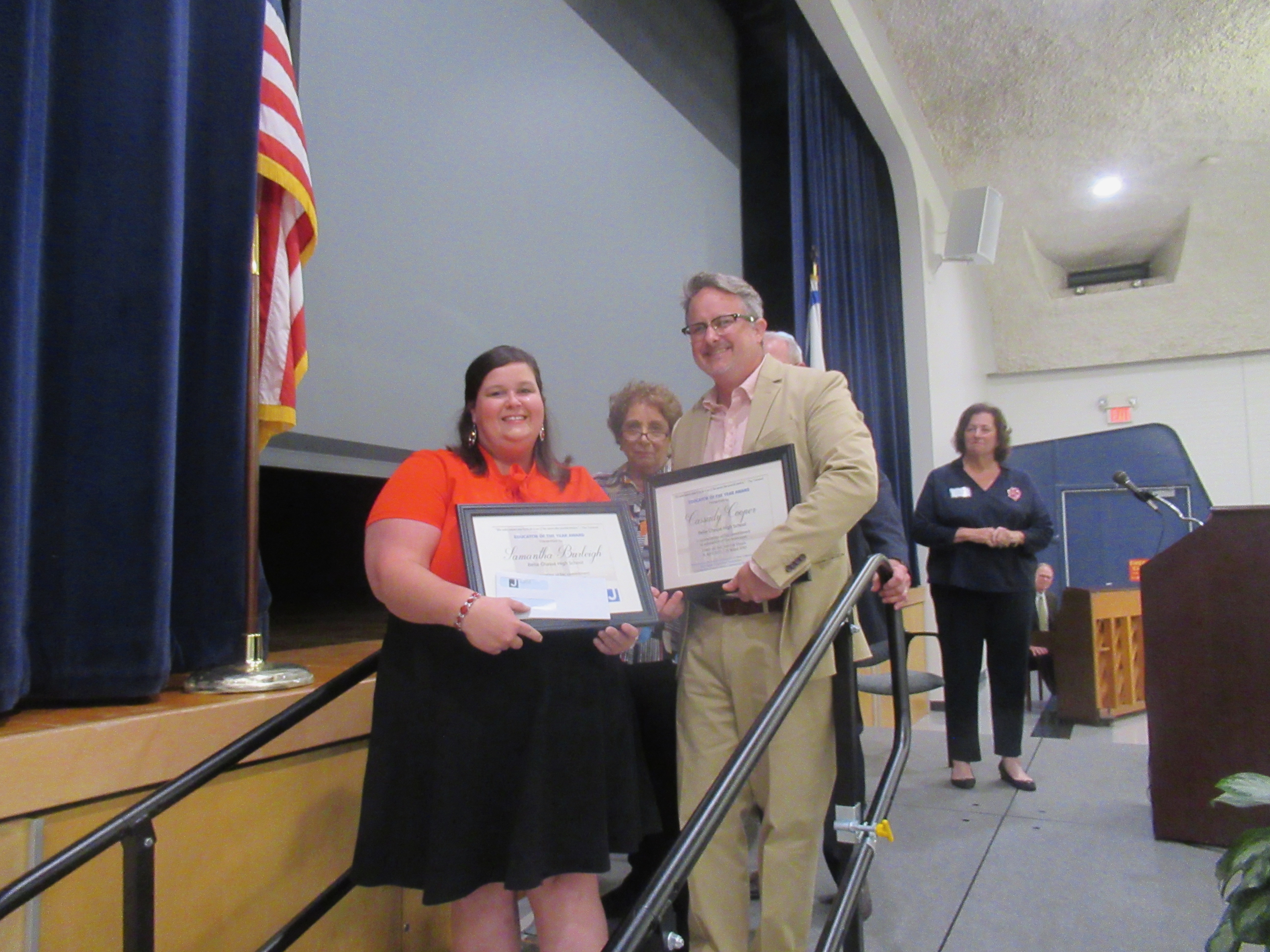
Belle Chasse High School teachers Samantha Burleigh and Cassady Cooper, right, hold their Yom HaShoah Educator of the Year Awards. (Photo by Alan Smason)
“The attempt here is to try to understand perpetrator behavior,” the professor noted. “It’s not to excuse it. It’s not to forgive it. It’s not to apologize for it at all. It’s to understand it, because if we don’t understand this complex question of how people come to do this process, we have no hope trying to stop it.”
Siblings Henry Rosenblat and Ruth Loeffelholz presented the Yom HaShoah Educator of the Year Award to Samantha Burleigh and Cassady Cooper, teachers at Belle Chasse High School. Both Rosenblat and Leoeffelholz presented a check from a fund named for their parents, both of whom were survivors who made New Orleans their home.
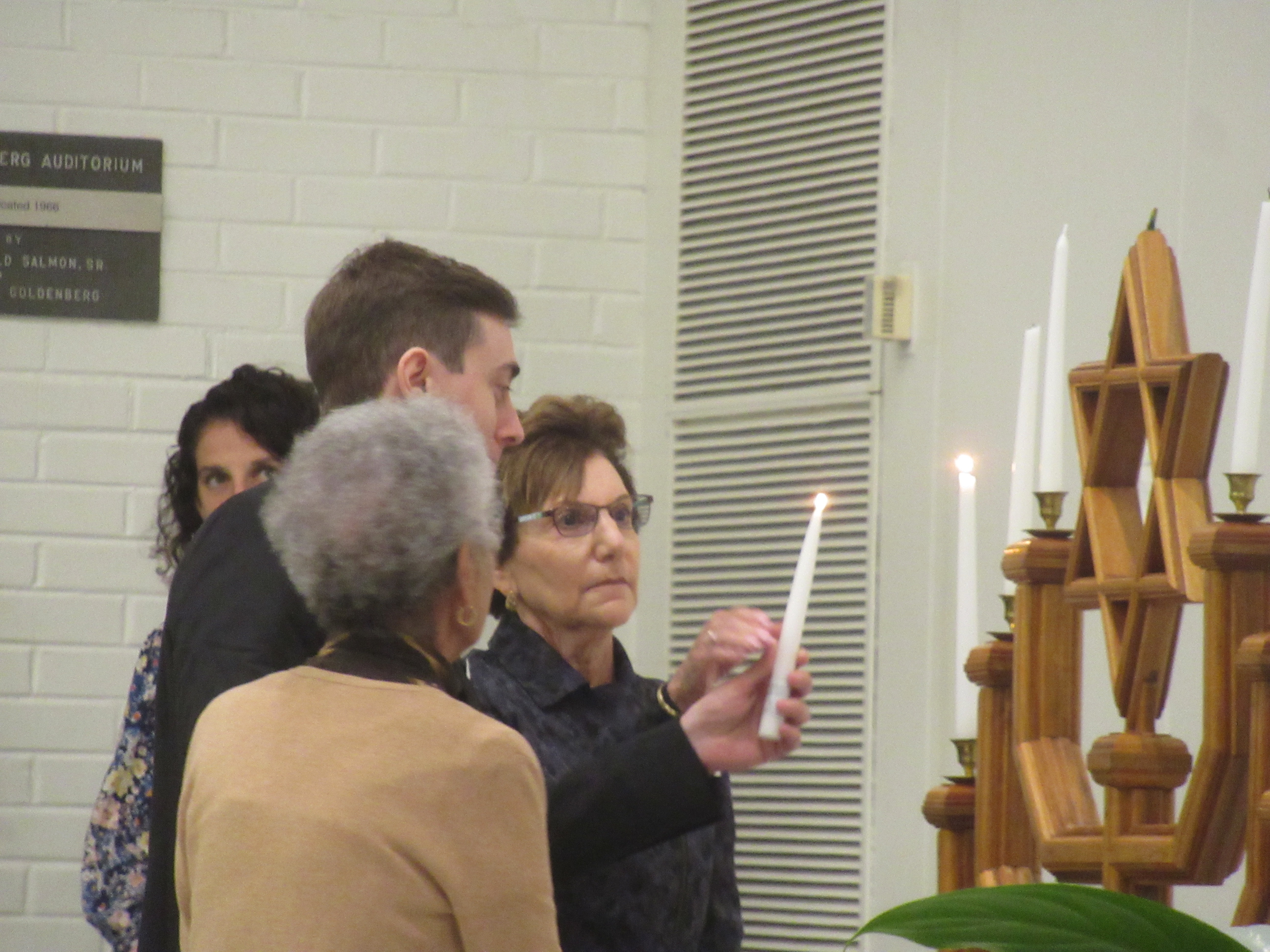
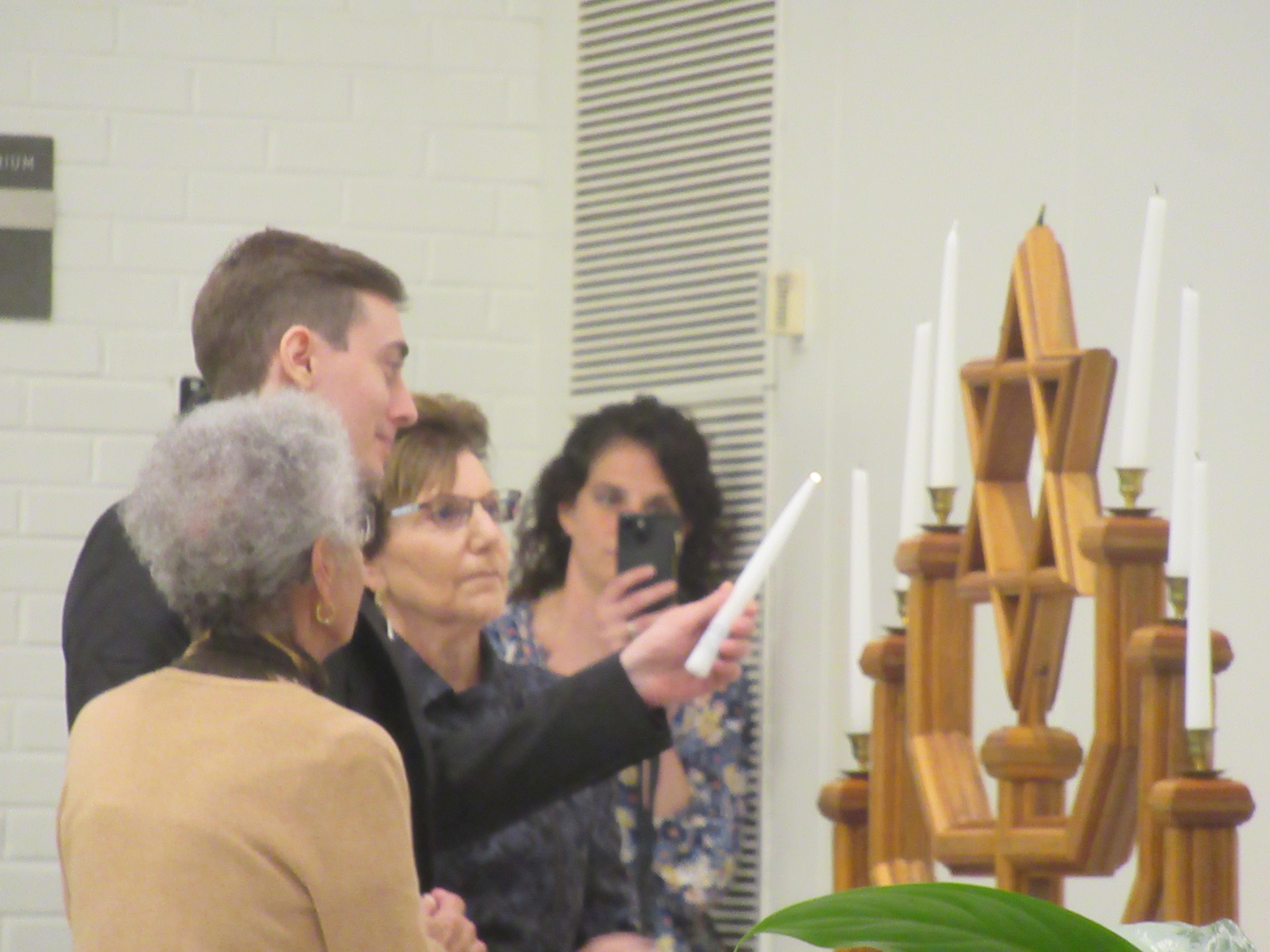
Candles in a six-tiered menorah representative of the six million Jews slain and constructed by Holocaust survivor Isak Borenstein of blessed memory were first lit by Levy and Millen with family members. Recently retired JCC Jewish Family Life Director Judy Yaillen and her son Noam were next followed by Waller with David Kitzner. Sammy and Alan Borenstein followed with Marilynn Galler Wohlstadter and Roslyn Fuksman Morris, daughters of survivors lighting the final candle.
Rabbi Phil Kaplan of Congregation Beth Israel sang the powerful Ani Ma’anim “I Believe” prayer, which is commonly sung at Holocaust commemorations. The song, which is taken from Moses Maimonides’ “Thirteen Principles of Faith,” was sung at the concentration camps and became known as the “Hymn of the Camps.”
Leopold Sher followed with his davening of a special El Maleh Rachamim, which mentions the names of some of the notorious death camps.
Rosenblatt then read the names of the Holocaust survivors who had made New Orleans their home. Rabbi David Gerber of Congregation Gates of Prayer led the audience in the recitation of Kaddish before Zack had closing remarks.
Photos from the event are here;