


For the few Jews in West Virginia, one of America’s most struggling states, the pandemic has offered silver linings
By LARRY LUXNER
WHEELING, W.Va. (JTA) — Surrounded by silver crucifixes and Christmas ornaments, Samuel Posin and Joan Berlow Smith sell vintage jewelry and myriad tchotchkes at their church-turned-boutique gift shop in this city.
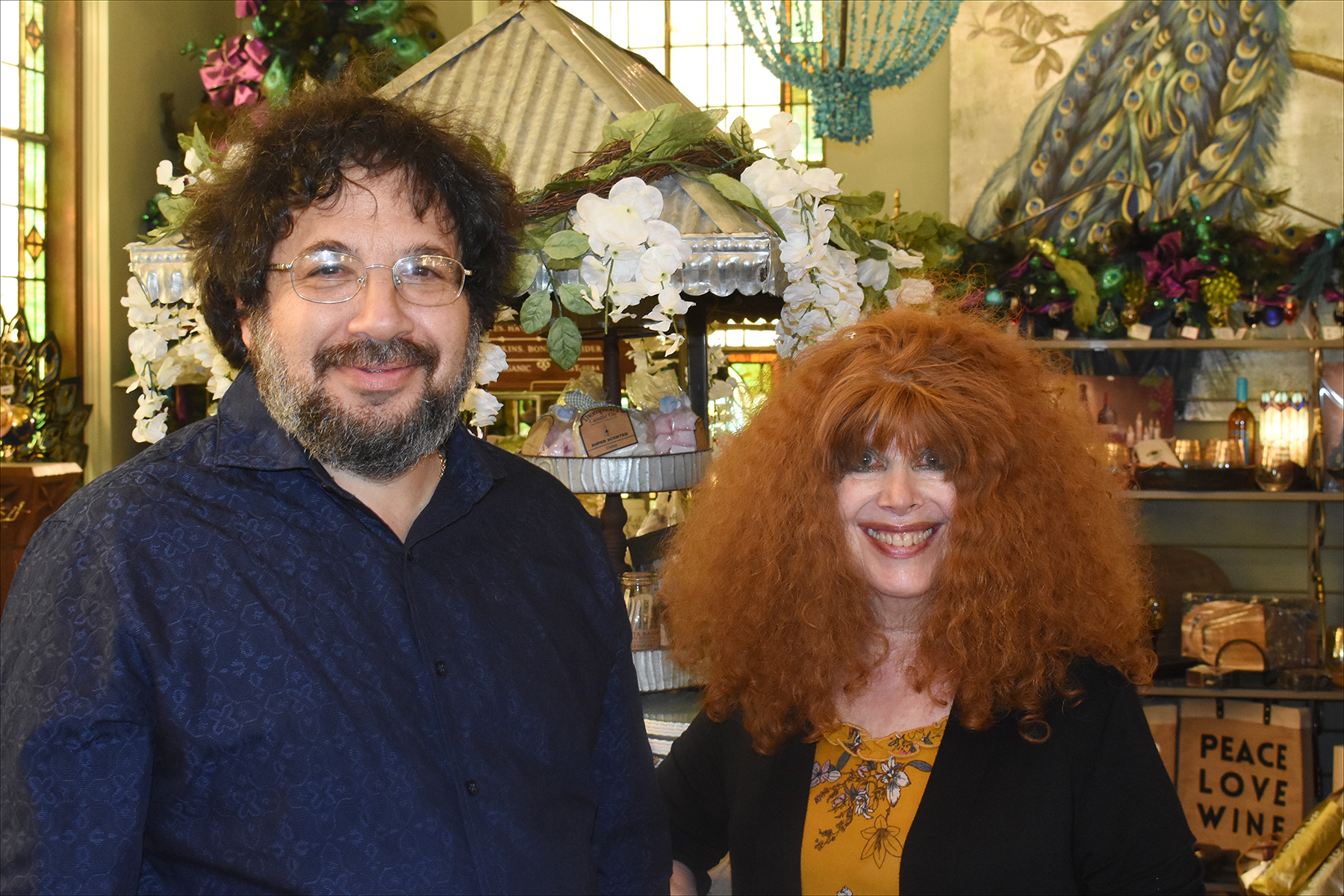
Samuel Posin and Joan Berlow Smith, members of Wheeling’s small Jewish community, run a jewelry shop out of a converted 1932 church building. (Larry Luxner)
This is not the kind of place you’ll find many Jews. In this deeply rural state where just over half of all voters identify as Christian evangelicals, fewer than 1,200 Jews are thought to be scattered among West Virginia’s 1.8 million residents.
Yet born and raised in Wheeling, Posin, 62, prays three times a day, eats only kosher food and keeps Shabbat – making him one of less than a dozen observant Jewish adults in all of West Virginia, by his own estimate. He credits a life-changing trip to Israel a decade ago for lighting his spiritual spark.
“I spent seven weeks at Rabbi Akiva Yeshiva in Jerusalem and immediately became religious,” Posin said of his 2010 trip to visit his sister, who had moved to Israel.
About five hours’ drive south of Wheeling — on a winding mountain road in the heart of Appalachian coal country — Elisse Jo Goldstein-Clark, the proprietor of a bed-and-breakfast called the Elkhorn Inn & Theatre, showcases another unlikely Jewish home.
Every Chanukah, she displays an 8-foot-high menorah in front of her historic inn, which is filled with railroad and coal-mining memorabilia. Each of the hotel’s 14 guest rooms has its own mezuzah.
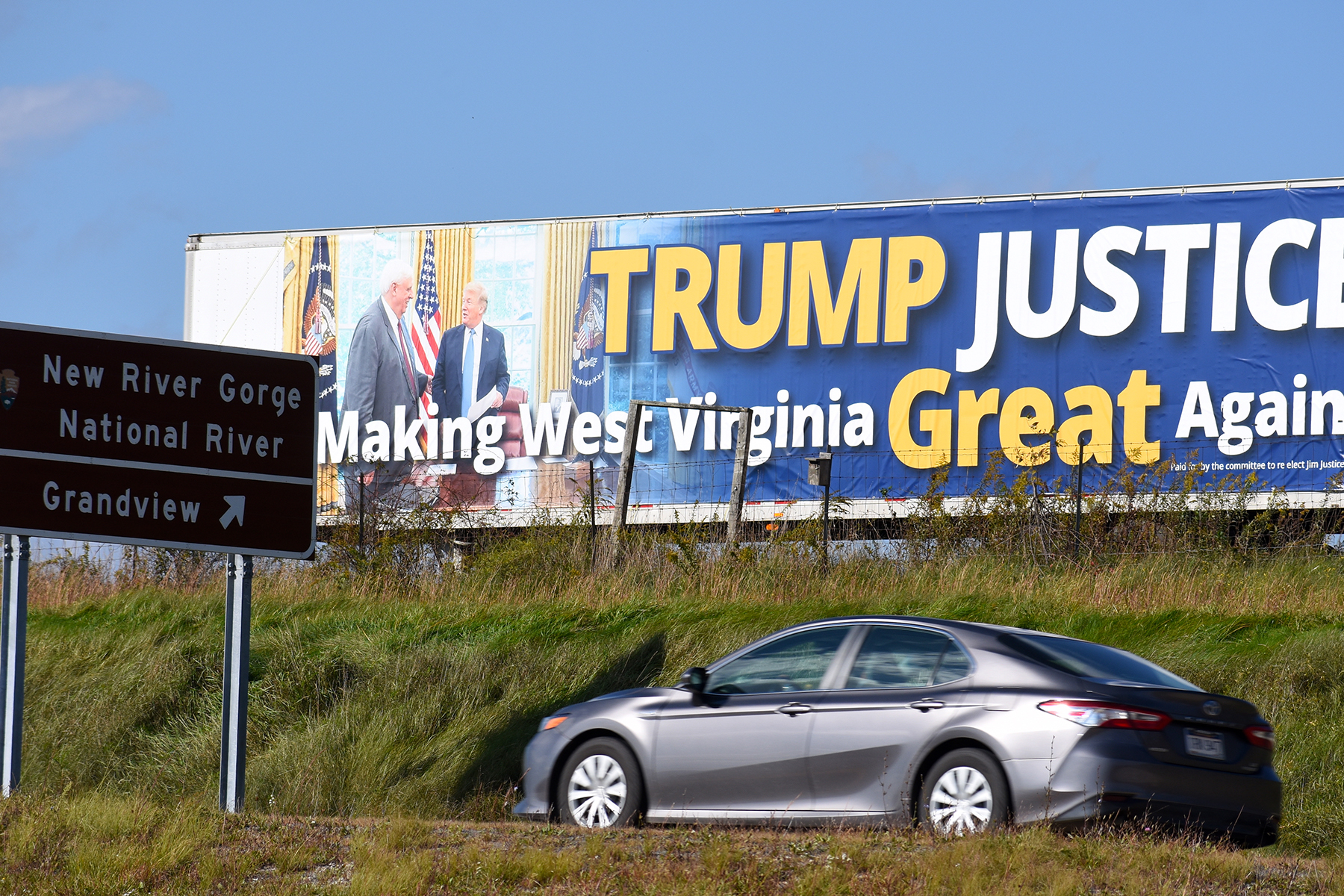
Majorities in all 55 counties in West Virginia voted for President Donald Trump in the 2020 election. (Larry Luxner)
West Virginia is one of America’s poorest states, located in a part of the country that long has been in decline. But the proud Jews you’ll find here show how Judaism endures even in the unlikeliest of places and what Jewish living looks like in rural America.
Goldstein-Clark is a rare Jewish transplant to West Virginia. Originally from New York, she moved to Jerusalem years ago and served a stint in the Israeli army before returning to the U.S. She ended up in the town of Landgraff after her husband — a disaster-response official whom she met in New York after the 9/11 attacks in 2001 – was deployed there to address severe flooding in West Virginia in 2002. The couple decided to stay, and a year later opened their hotel in a restored 1922 coal miners’ clubhouse.
“For 18 years, the New Yorker in me never stopped whining about how incredibly rural we were,” Goldstein-Clark said. “But living in West Virginia has turned out to be the greatest blessing in my life.”
Driving around West Virginia these days, “Make America Great Again” billboards are as plentiful as gun shops. President Donald Trump defeated Joe Biden in all 55 West Virginia counties in November’s elections. The state is so staunchly conservative that its Republican governor, Jim Justice, earlier this year urged like-minded rural counties in Democrat-controlled Virginia to secede from that state and join his.
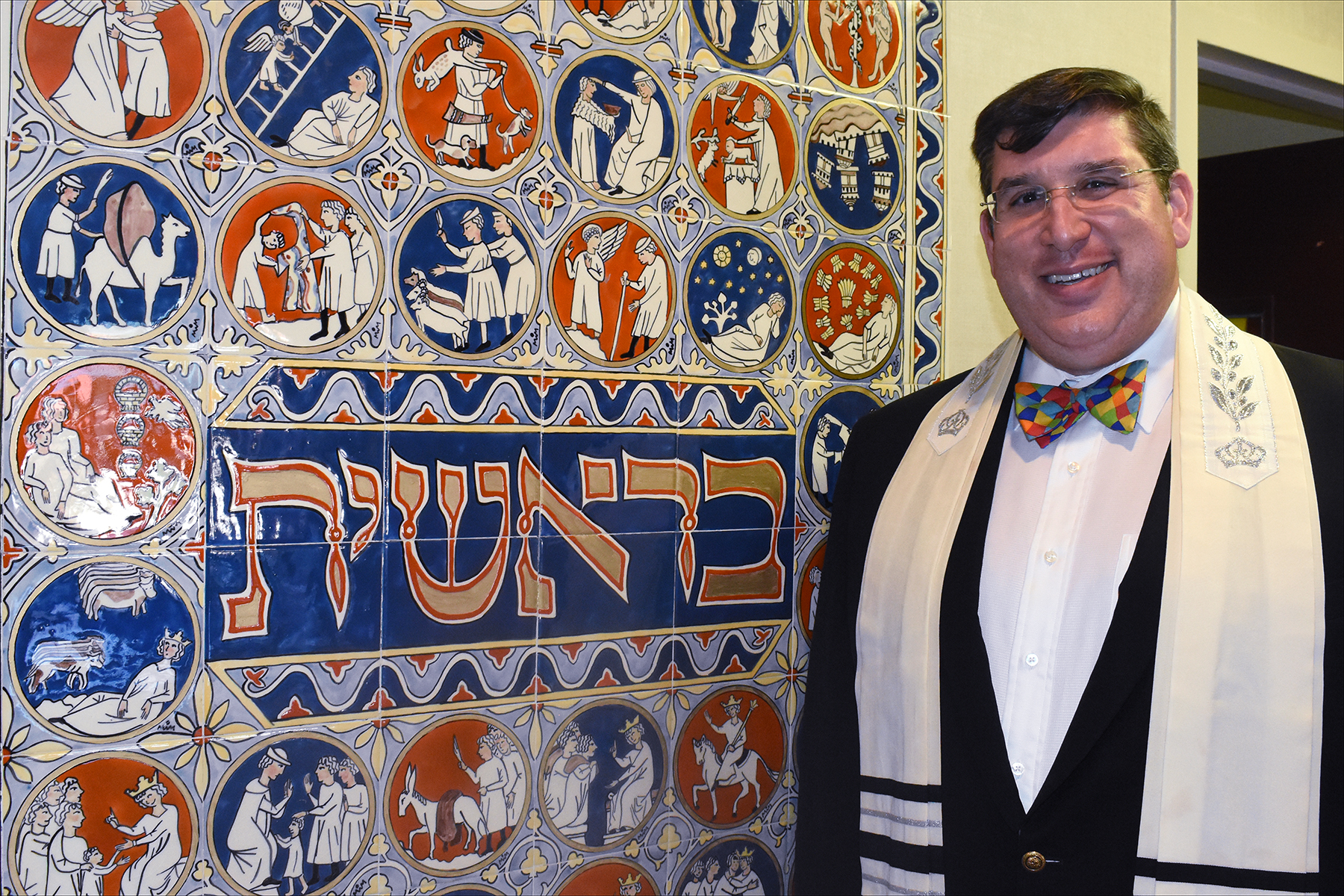
Rabbi Joshua Lief of Temple Shalom in Wheeling, which was West Virginia’s first state capital and home to its oldest Jewish community. (Larry Luxner)
Yet West Virginia is in serious trouble. It has America’s lowest percentage of college graduates, fourth-highest incidence of poverty, highest rate of opioid overdose deaths and fourth-oldest population. Most troublesome, the state is the only one whose population consistently declines year after year. It has been on a downward trajectory since its peak shortly after World War II.
Back then, when coal was king, the state was more populous than Florida, and synagogues and Jewish communities thrivhua Lief. About 70% of Wheeling’s Jews marry outside the faith. The last Jewish wedding here was 12 years ago.
When the pandemic hit, Lief began broadcasting daily Torah lessons via Facebook Live. Temple Shalom typically draws about 90 worshippers for Rosh Hashanah and Yom Kippur services, but this year some 350 people tuned into the synagogue’s online services.
“We were forced to figure out how to do this,” Lief said. “Because of the pandemic, we’ve actually increased our level of activity.”
In Charleston, Urecki says B’nai Jacob has not missed a virtual minyan or Shabbat observance since holding its first Zoom service on March 21, which Urecki broadcast from his synagogue’s sanctuary.
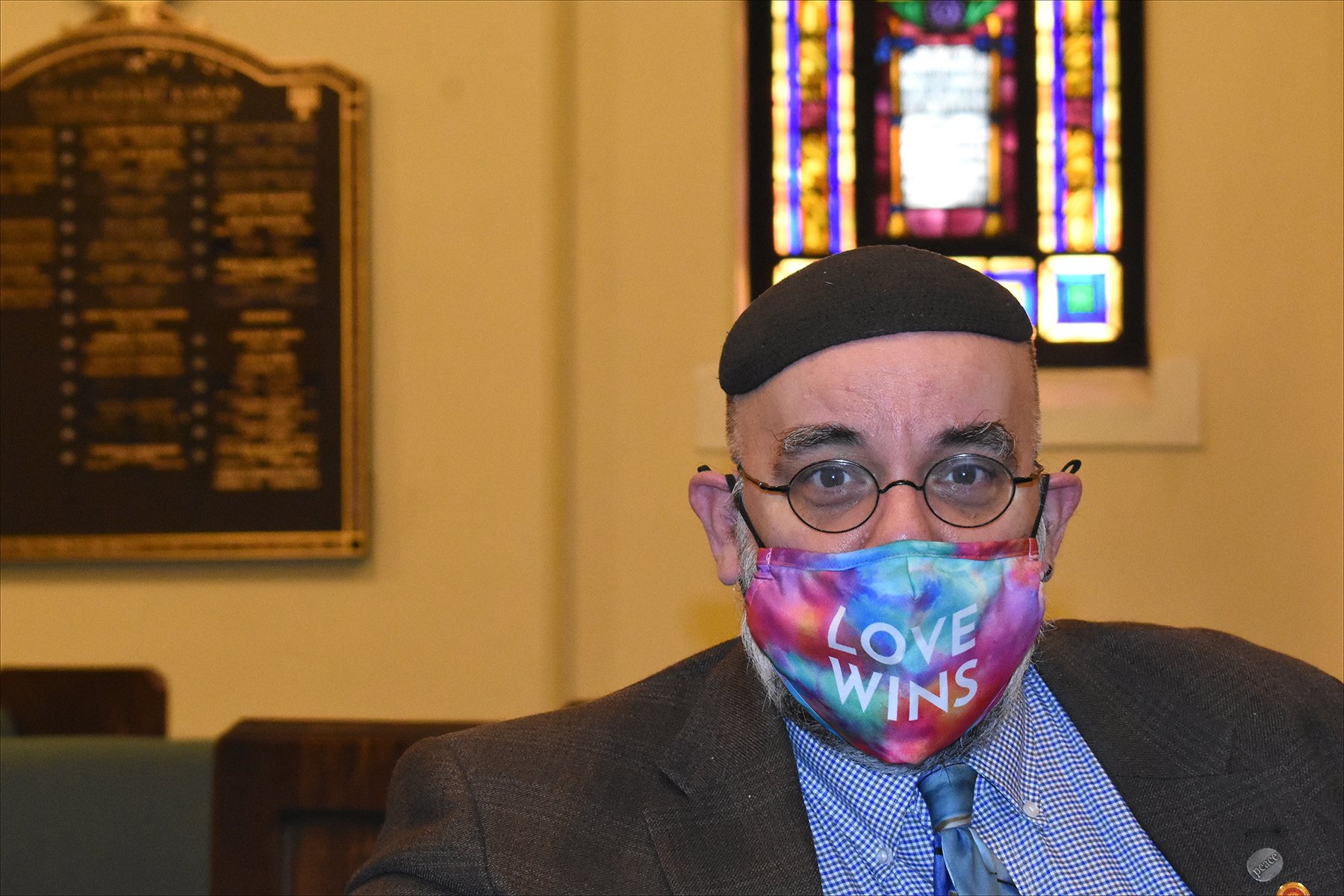
Robert Judd started in April as the rabbi of B’nai Sholom in Huntington, W.Va., but has yet to hold an in-person service because of the coronavirus pandemic. (Larry Luxner)
“That 5:45 minyan every evening has created a virtual community for people who need community now more than ever,” Urecki said. “Many people have left West Virginia but consider B’nai Jacob their eternal homes, and our online Torah classes are bigger than they’ve ever been.”
Yet Urecki wonders what the long-term future holds for West Virginia’s few Jews.
“I’ve been hearing about decline for decades, and I try to push back against this feeling of helplessness,” he said. “We’ve got to find a way to engage younger people, but we have not found that secret sauce yet.”
West Virginia has seen its share of anti-Semitism and bigotry. Its most celebrated politician, the late Sen. Robert Byrd, was a proud member of the Ku Klux Klan as a young adult. A year ago, more than 30 West Virginia correctional academy trainees gave a Nazi salute in a class photo; they were fired. Earlier this year, a local state senator, Robert Karnes, wrote a Facebook post accusing Holocaust survivor and financier George Soros of having “made his fortune selling Jews to the Nazis.”
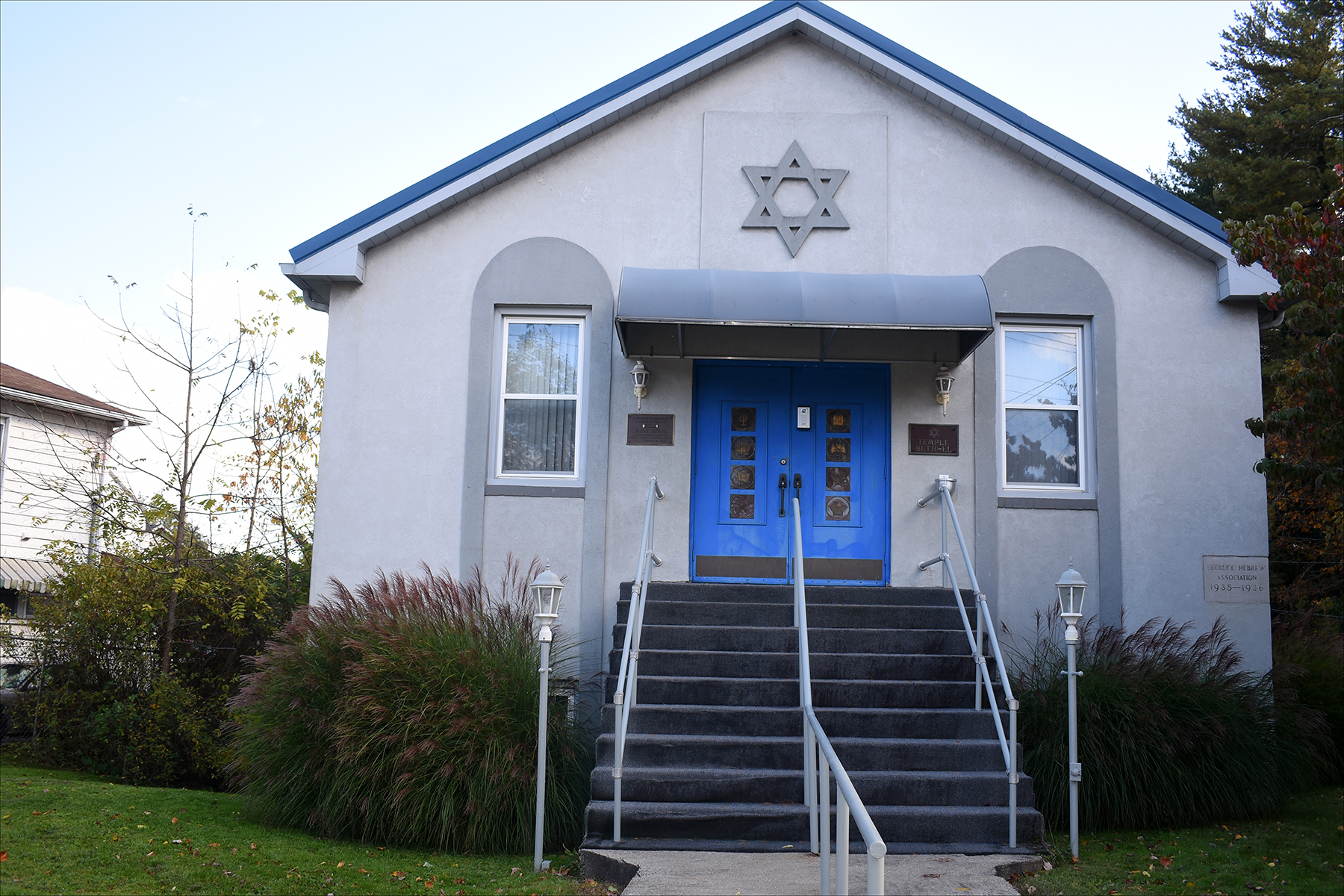
Temple Beth El, a small cinderblock building built in 1935, serves the few Jews left in Beckley, a former coal-mining town in southern West Virginia. (Larry Luxner)
Yet local Jewish leaders said they feel comfortable here. Urecki said the vast majority of Christians he encounters are deeply respectful of Judaism. When he first arrived in Charleston 35 years ago to take up his new post at B’nai Jacob, Christians greeted him with “shalom” on the streets, and local ministers began calling to see if he could speak at their churches about Judaism.
Following the Tree of Life synagogue massacre two years ago left 11 Jews dead in Pittsburgh, an hour and a half north of Morgantown, Chabad’s Gurevitz said many local Christians reached out to him to offer condolences.
Support for Israel is also a deeply held tenet of evangelical Christianity in West Virginia.
“This is America, and there are obviously anti-Semitic groups in West Virginia, too. But I don’t think it’s more or less than any other place,” Gurevitz said.
“Personally I feel very safe here. And I would like to believe that if someone tried to hurt us, the community would protect us.”
